


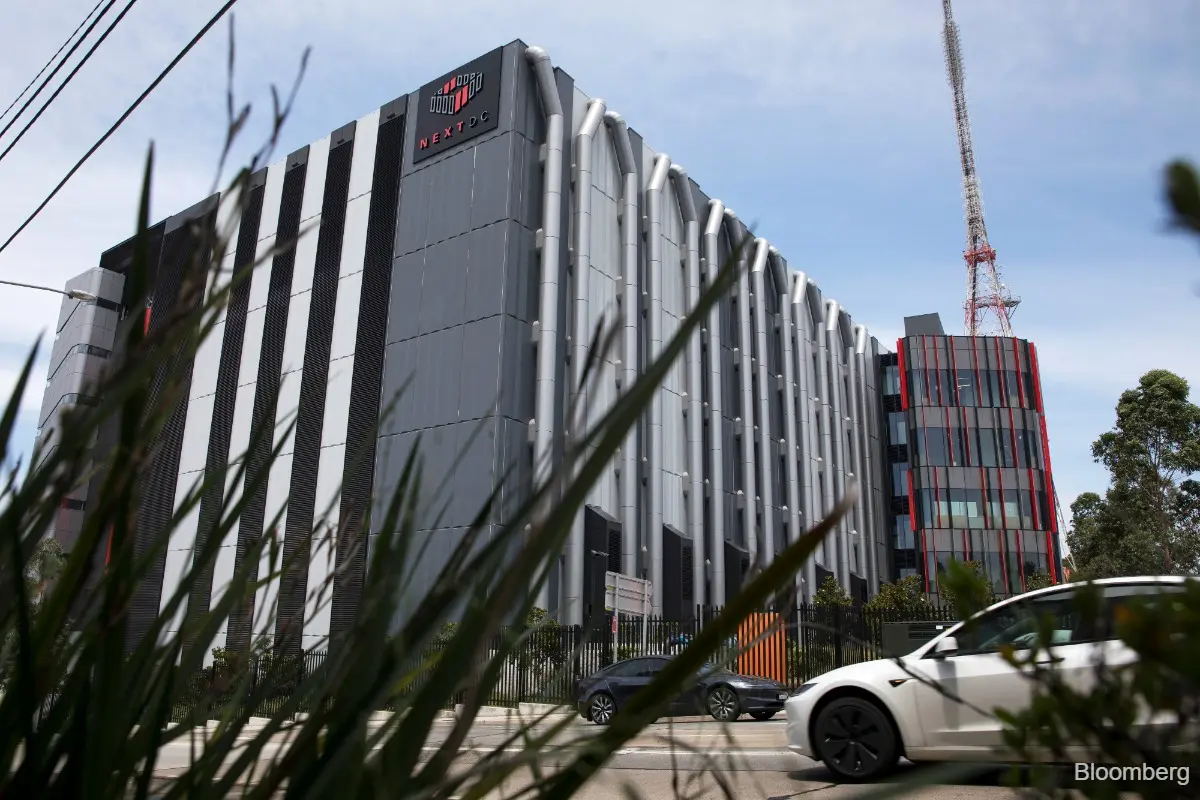
DARWIN, November 2, 2026 — Energy North has withdrawn its June 2028 target for the Project Ares data centre, a proposed 1-gigawatt artificial-intelligence campus in Australia’s Northern Territory after the environmental regulator paused its usual timetable for setting the project’s assessment requirements.
The decision affects Project Ares, a planned hyperscale computing campus at Murranji Station in the Barkly region. The project has not been rejected or cancelled, and the developer has not announced a replacement start date. The setback instead leaves a major infrastructure proposal without the schedule it had previously put in regulatory filings.
Reuters reported early on Monday that Energy North had removed the June 28, 2028 date after the Northern Territory Environment Protection Authority suspended its seven-week deadline for deciding the terms of reference for an environmental impact statement. The regulator said on October 7 that it needed to consult the Australian Government, which is developing policy expectations for data centres and AI infrastructure.
Energy North vice-president of project development Daniel Hunter told Reuters that the earlier date was an indicative schedule rather than a firm commitment. The company said: “The June 2028 date in our referral was an indicative schedule at the time of lodgement, and we’re no longer working to it.” Hunter said the company would confirm timing after the regulator sets out the requirements for the environmental statement.
The regulator’s pause is not a final refusal. The NT EPA has determined that Project Ares must undergo assessment through an environmental impact statement, the highest level of assessment under the territory’s Environment Protection Act. That process allows further technical work, government and public consultation, and scrutiny of possible effects before any final assessment is completed.
Project Ares is proposed as a 1 GW information-technology campus designed for AI computing and cloud services. Energy North’s project material describes a planned off-grid system combining up to 3,000 megawatts-peak of solar generation, a 16-gigawatt-hour battery system and dispatchable power generation of up to about 1,038 MW. These are design parameters for a project still subject to approvals, engineering and investment decisions, not operating capacity.
The environmental referral includes a preliminary disturbance footprint of 19,150 hectares within a much larger project area. The proposal also includes access roads, a rail siding, a sealed airstrip, workers’ accommodation and other supporting infrastructure. The NT EPA’s public register says the project could extract up to four gigalitres of groundwater a year and include a solar farm covering as much as 7,000 hectares.
Energy North’s project information says the 19,150-hectare figure is the maximum area assessed in the referral, not a statement that every hectare would be cleared. The company says the final disturbance footprint is expected to be refined as engineering, ecological surveys and heritage work progress. The actual footprint and operating requirements will need to be tested through the assessment process.
In its October 7 notice, the NT EPA said the proposal could significantly affect environmental values across 10 environmental factors. The regulator’s concerns include the information available to assess potential impacts and the effectiveness of proposed safeguards. ABC News reported the following day that the authority had expressed low confidence in the environmental management measures presented at that stage and said further detail would be required in an environmental impact statement.
Water is one of the central questions. The project’s proposed groundwater demand would have to be assessed against local aquifer conditions, existing uses, drought resilience and the needs of nearby communities and pastoral operations. The proposal also raises questions about the effects of construction and supporting infrastructure on habitats, cultural heritage, traffic and the surrounding land. Those are issues for detailed assessment, not proof that damage has already occurred.
Consultation with Traditional Owners is another important part of the process. Reuters reported that the regulator’s review includes possible disruption to Aboriginal sacred sites, while the project would be located on a remote cattle station. The developer has said it will continue engagement with Traditional Owners and neighbouring pastoral leaseholders. The outcome will depend on the information submitted, the regulator’s assessment and the responses received through the formal process.
The Northern Territory review is taking place as the federal government sets expectations for large data centres and AI infrastructure. Published in March, the national framework asks developers to prioritise Australia’s national interest, support the energy transition, use water sustainably, invest in local skills and strengthen research and innovation. The government says projects that align more closely with those expectations will be prioritised in Commonwealth regulatory assessments.
The expectations operate alongside existing laws; they do not replace environmental approvals or guarantee that a proposal will be accepted. They also make the energy question explicit: new data centres are expected to secure additional clean generation or storage, cover their share of grid and network costs, minimise energy demand and emissions, and help the system manage peaks. Operators are also expected to engage with communities and water providers and to report transparently on water use.
Project Ares is designed to generate power on site rather than draw from the existing grid, according to Energy North. That approach could reduce reliance on local network capacity, but it does not remove the need to assess fuel supply, emissions, cooling, water demand, storage, backup arrangements and the project’s overall environmental footprint. The final configuration and operating performance remain subject to detailed design and regulatory review.
Australia’s remote north has been promoted as a possible location for energy-intensive digital infrastructure because of available land, solar resources and connections to fibre routes linking the country to Asia. But the Project Ares delay illustrates that the physical requirements of AI computing extend well beyond servers and chips. Developers need reliable power, cooling, water, connectivity, land access and regulatory approval, as well as customers willing to contract for the capacity.
Project Ares is also not the only large proposal being discussed in the territory. Reuters reported that a separate data-centre project near Darwin has been proposed by Beetaloo Energy. The two projects together would represent around 3 GW of planned capacity, a scale that would be very large relative to the Northern Territory’s electricity system. Both developers have described plans to supply their facilities independently, using gas alongside renewable generation.
The commercial test will be whether planned capacity can be converted into funded construction, equipment orders, signed customers and reliable operations. Large AI facilities can require substantial upfront spending and long lead times for power systems, batteries, networking and specialist computing hardware. A date in a referral document is not the same as a final investment decision, a construction start or a commissioned data centre.
Also read: Saudi Aramco Closes $2.6 Billion Deal for 49% Stake in AI Firm HUMAIN
Power supply is likely to remain a central part of the debate. A project can be designed to operate off-grid, but it must still show that its energy mix, storage and backup arrangements are technically and economically workable and that associated impacts are acceptable. In India, recent electricity data have shown how weaker hydropower output can coincide with higher coal generation, underscoring the importance of examining the actual energy mix rather than relying on capacity targets alone.
Also read: India’s Coal Generation Rises 25.7% as Hydropower Falls
The next step is for the NT EPA and the national regulator to complete their consultations and finalise the terms of reference for the environmental impact statement. Energy North will then need to prepare the required studies and supporting material. The process provides further opportunities for government agencies and the public to examine the proposal before the regulator completes its assessment.
Energy North’s project page currently describes its first-phase power target as 12 to 18 months after a final investment decision, subject to approvals, rather than giving a replacement calendar date. The company has not publicly confirmed a new first-power milestone. Any revised schedule will depend on the assessment timetable, the time needed to complete the environmental statement, subsequent approvals, engineering work, financing and construction.
The project remains a proposal, not an operating data centre, and the lost 2028 target should not be read as a cancellation. The immediate change is that Energy North no longer stands behind its previous indicative date while the environmental requirements remain unsettled. Whether Project Ares can advance will depend on the evidence supplied, the regulator’s findings and the developer’s ability to meet the conditions imposed.


Comments (0)
Be the first to comment. Comments are published after moderation.