


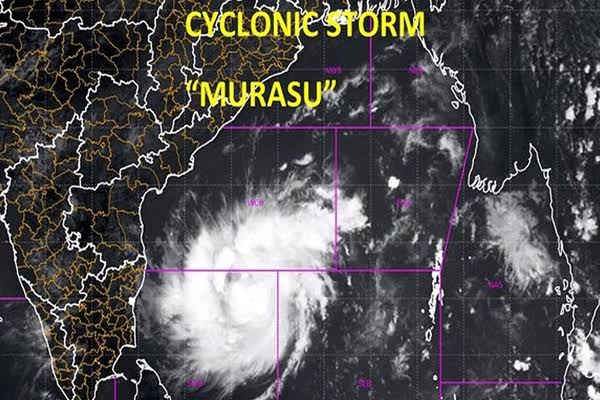
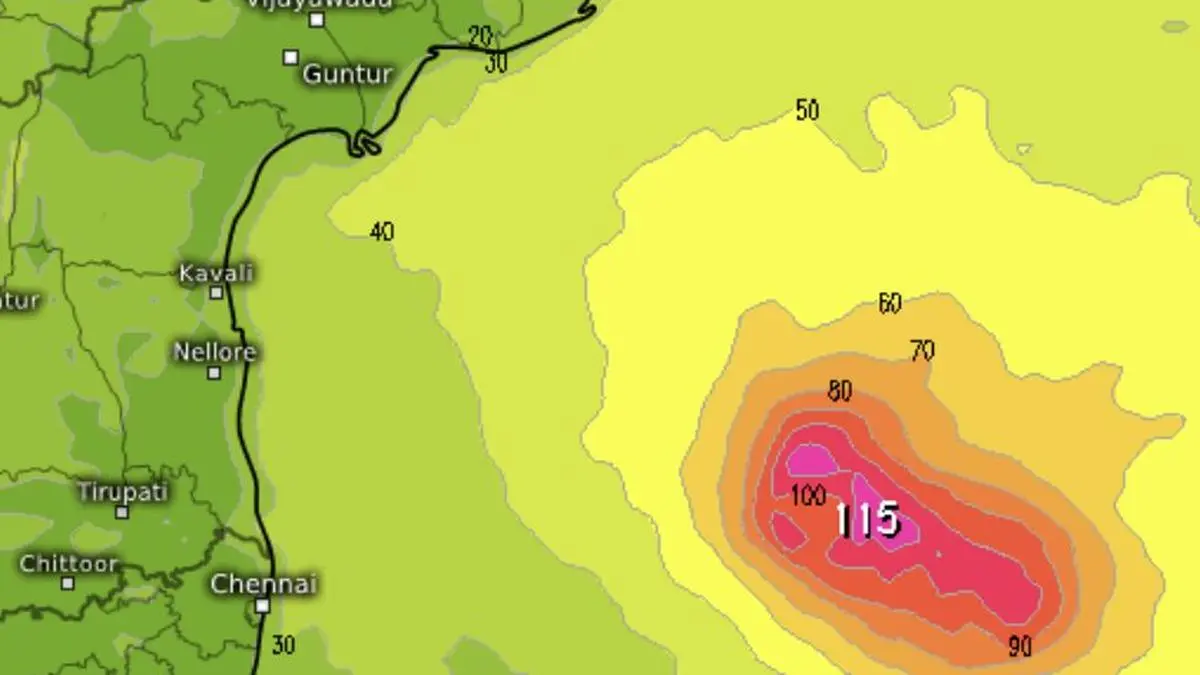
NEW DELHI, November 2, 2026: Residents in coastal districts should treat official evacuation instructions as the priority as Cyclonic Storm Murasu moves across the Bay of Bengal. In a coastal bulletin issued late on November 1 and valid into November 2, the India Meteorological Department forecast that the system could intensify and cross the south Andhra Pradesh coast as a severe cyclonic storm, with winds of 100–110 km/h gusting up to 120 km/h. Forecasts can change; households should check the latest district instructions rather than rely on a single bulletin or a forwarded message.
This article is a practical safety guide, not a replacement for live weather updates. The IMD’s coastal weather bulletin, the cyclone information page and the government’s Sachet alert portal are the sources to check for changing warnings and official messages.
A cyclone warning is not only a statement about wind speed. Heavy rain can cause flooding inland, while storm surge can push seawater above the normal tide level and into low-lying coastal areas. Local risk depends on the storm’s track, its size, the shape of the coast, tide timing, drainage and the height of the land. A household several kilometres from the shoreline may still face dangerous flooding if it is near an estuary, river mouth or low-lying road.
A red message from the IMD signals a serious threat and should be read alongside district-level instructions. The district administration may order evacuation in particular villages, wards or coastal belts, and may direct residents to a named shelter or safer inland location. People should not wait for a personal message if a public evacuation order covers their area. If authorities say to leave, the safest response is to leave early using the route they recommend.
Do not try to calculate personal safety from a forecast wind speed alone. A storm can weaken and still bring dangerous rainfall, waves, flooding or downed power lines. Conversely, the exact conditions in one town can differ from those in a nearby district. The latest official bulletin and local emergency messages should override an older social-media graphic.
The aim is not to pack an entire household. Prepare a light bag that one adult can carry while helping children or older relatives. Keep it somewhere everyone can find it and make sure the items are usable without electricity. If officials order evacuation, do not delay departure to gather non-essential belongings or to protect furniture.
- Drinking water and ready-to-eat food for the first stage of the journey, following local public-health guidance.
- Regular medicines, prescriptions, glasses, basic first-aid supplies and medical devices with charged batteries.
- Identification, essential documents, insurance papers and emergency contacts in a waterproof pouch, with secure digital copies where possible.
- Phone, power bank, charging cable, torch, spare batteries and a battery-powered radio if available.
- Cash in small denominations, keys, a change of clothes, basic toiletries and supplies for infants or dependants.
- Waterproof footwear and a small towel; avoid carrying heavy bags that slow movement through crowded shelters.
Store drinking water and essential supplies in a place that is not likely to flood. If you need to evacuate quickly, switch off electrical equipment only if it is safe to do so; do not touch a wet switchboard or stand in water to reach a plug. Do not attempt to disconnect appliances while water is rising. The decision to leave safely matters more than protecting possessions.
Tell a relative or neighbour where you are going and how you can be contacted. If time allows, photograph important documents and the condition of the house for insurance records. Close windows and doors, secure loose outdoor objects only if doing so does not expose you to strong winds, and move vehicles away from low-lying areas when authorities advise it. Do not park under trees, power lines or unstable structures.
Families should plan for children, older adults, people with disabilities and anyone who needs refrigerated medicines or mobility equipment. Arrange transport early if a household member cannot walk far. If an evacuation shelter is announced, check the official route and any rules for pets, assistance animals or medical equipment. Do not assume that a road remains open because it was passable earlier in the day.
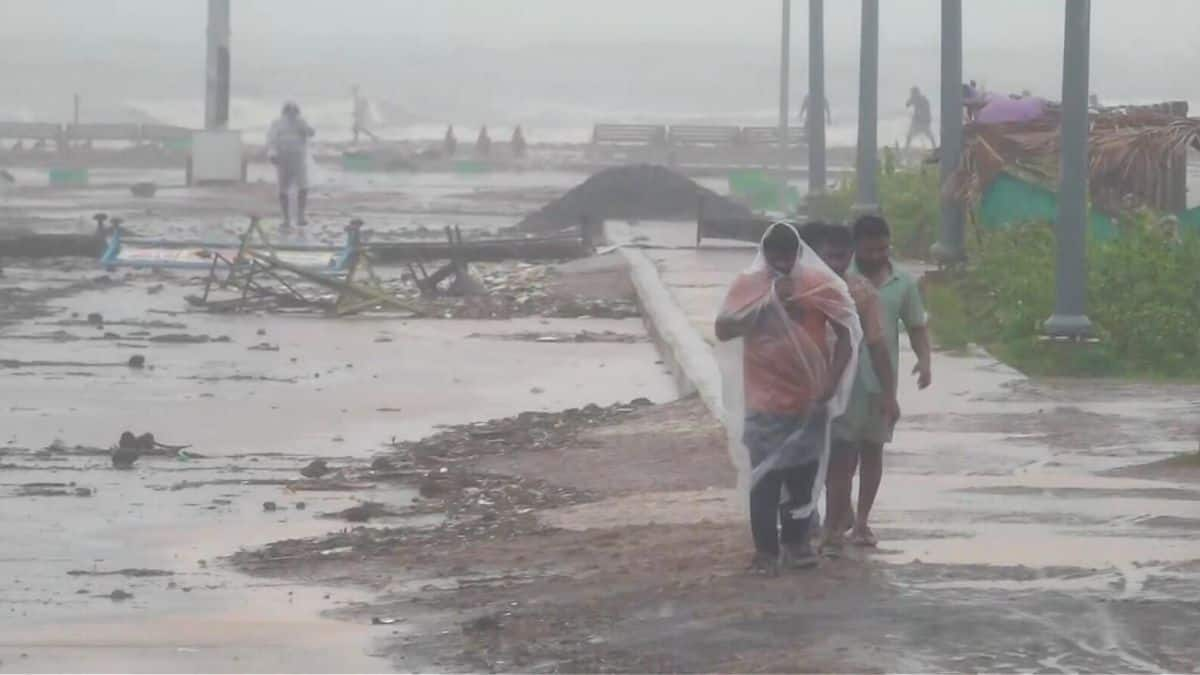
Fishers and people who work on boats should follow port and coast-guard instructions and stay ashore when warnings prohibit sailing. Do not go to the beach, river mouth, harbour wall or sea-facing promenade to watch the storm. Waves and surge can reach exposed areas without warning, and conditions can become dangerous before the centre of a storm reaches land.
If you are in a safe shelter, remain there until officials say it is safe to move. Keep away from windows and glass doors, and avoid going outdoors during a temporary lull. A lull does not prove the storm has passed; conditions can change as the system moves. Listen to radio or official phone alerts and keep phones available for emergency communication rather than repeatedly refreshing unverified posts.
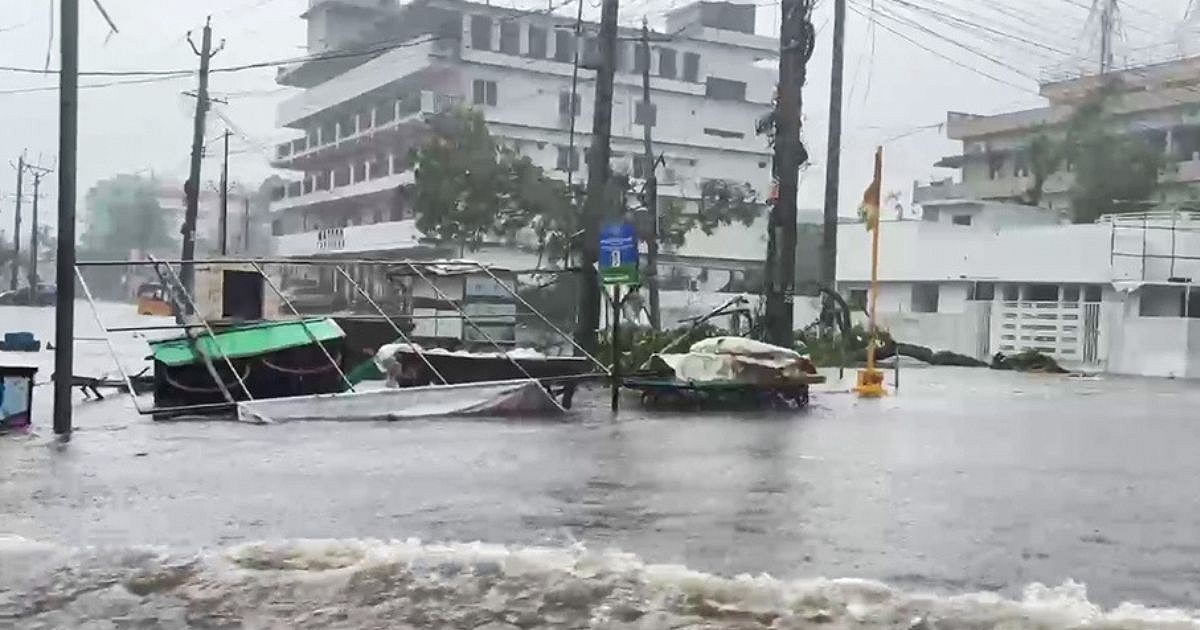
Never walk or drive through floodwater if you can avoid it. Water can hide open drains, damaged roads, fallen cables and debris, and moving water can carry a person or vehicle away. Do not touch a fallen wire or a metal fence in contact with a wire. Report hazards to the local electricity utility or emergency services from a safe location.
Use torches rather than candles wherever possible. If a generator is necessary, it must be operated outdoors, away from doors, windows and ventilation intakes because carbon monoxide can be fatal in enclosed or semi-enclosed spaces. Do not run a generator in a corridor, balcony enclosure, garage or near a neighbour’s open window. Never use a cooking stove or charcoal burner to heat an enclosed room.
Wait for official all-clear messages before returning to an evacuated area. Floodwater may remain contaminated, bridges and culverts may be damaged, and buildings can be weakened even if they look intact from outside. Avoid touching wet electrical equipment and do not re-energise a flooded house until the utility or a qualified electrician says it is safe.
Use safe drinking water. If local authorities advise boiling or treating water, follow the stated method and duration. Discard food that has been exposed to floodwater or that has been left unrefrigerated for an unsafe period. Keep children away from drains, debris, damaged trees and standing water. Photograph damage when it is safe, but do not enter unstable structures to collect belongings.
Power restoration may be uneven because crews must inspect lines, poles and substations before re-energising damaged sections. A neighbourhood that regains electricity does not mean every wire nearby is safe. Follow utility notices and report downed lines rather than attempting repairs yourself.
Use official sources rather than screenshots without a timestamp. The IMD publishes coastal bulletins and cyclone information; NDMA’s Sachet platform distributes disaster alerts; state and district administrations issue local evacuation and shelter instructions. A forecast can be revised as new observations arrive, so check the time of issue and the area named in the bulletin.
Do not forward a warning unless you can verify the source, issue time and location. An old alert can be dangerous when it is shared as current, while a fake message can send residents toward an unsafe road or shelter. If you receive a message that asks for money or personal details to obtain an official evacuation service, verify it with the relevant district authority before acting.
The most useful preparation is early, local and practical: know whether your home is in a low-lying area, identify the shelter or safe route named by authorities, keep essential medicines and documents together, and leave when instructed. Murasu’s exact track and intensity may change, but these steps remain valuable for any cyclone affecting the eastern coast.
Where should I check the latest Cyclone Murasu warning?
Check the India Meteorological Department’s latest coastal bulletin and cyclone information page, and follow district-administration instructions. NDMA’s Sachet portal also carries official disaster alerts.
What should go into a cyclone evacuation bag?
Pack essential medicines, drinking water, ready-to-eat food, identification and important documents in a waterproof pouch, a torch, phone and power bank, cash, clothing and supplies for children or dependants.
Is it safe to drive through floodwater after a cyclone?
Avoid driving or walking through floodwater. It can conceal damaged roads, open drains, debris and live electrical hazards. Wait for official guidance and use a safe route.


Comments (0)
Be the first to comment. Comments are published after moderation.