


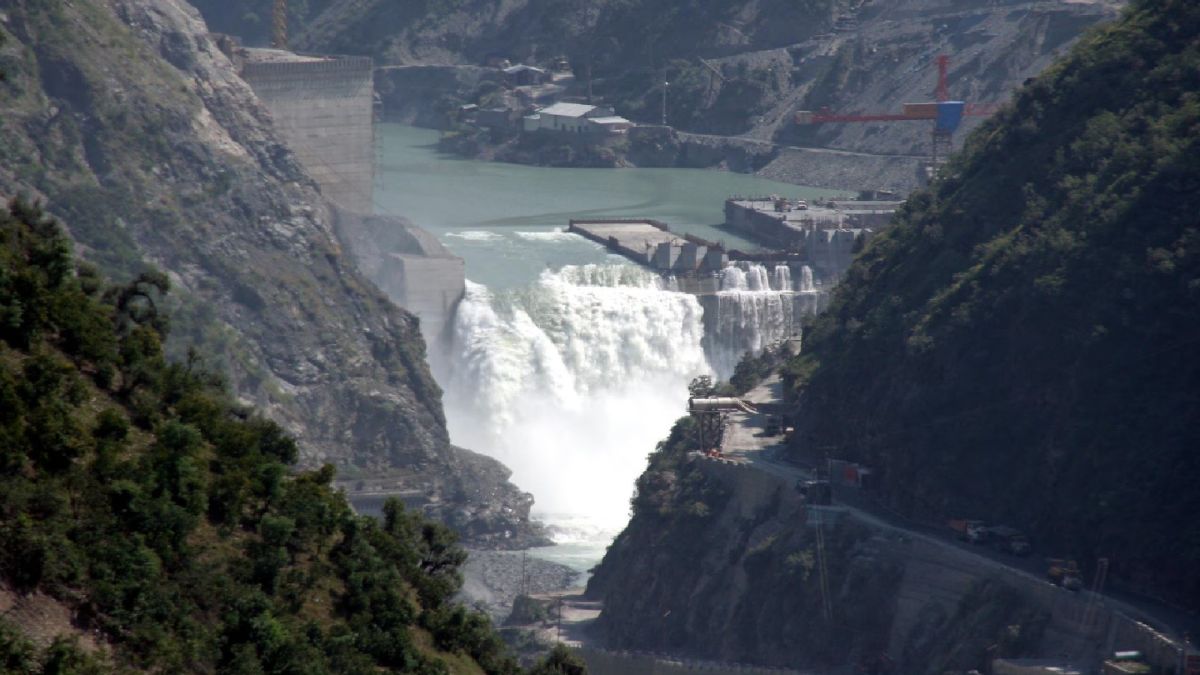
New Delhi, November 1, 2026 — India relied more heavily on coal-fired electricity in October as hydropower output weakened and overall power generation climbed, according to government data reported by Reuters on Sunday. Coal-fired generation rose 25.7% from a year earlier, while hydropower generation fell 26%, the steepest annual decline in the hydro category since February 2024. The shift underlines the pressure on India’s electricity system to keep supply reliable when rainfall-dependent generation weakens and industrial demand rises.
Reuters calculations using daily data from grid regulator Grid-India put coal’s share of total electricity generation at 71.7% in October, up from 66.03% in September. Total generation increased 21.1% year on year to 172.53 billion kilowatt-hours. Renewable generation also expanded, rising 34.7% to 26.61 billion units, led by a 62% increase in solar output. Yet the share of clean energy in overall generation fell to about 15% from roughly 17% in September because coal generation grew faster and the generation mix changed.
The figures describe a month in which several pressures moved in different directions: more electricity was produced overall, solar output grew quickly, but lower hydropower generation and strong demand increased the role of coal. They do not, by themselves, show that India has abandoned its clean-energy expansion. They do show why installed renewable capacity, actual electricity generation, fuel availability and the ability to move power across the grid must be assessed together.
The central change is the scale of coal’s year-on-year increase. A 25.7% rise means coal stations supplied substantially more electricity than in October 2025. The increase was the fastest annual pace in three years, Reuters reported. At the same time, the 26% fall in hydropower reduced a source of electricity that can be especially valuable because reservoirs and water flows can help system operators respond to demand, depending on water availability and plant constraints.
Coal’s share of generation rose to 71.7% in October from 66.03% in September. These are monthly shares, not measures of installed capacity. They indicate how much electricity each source actually generated during the period, which can change with weather, demand, plant availability, fuel stocks and the timing of renewable output. A high share for coal in one month does not mean that renewable capacity has shrunk; it means that coal supplied a larger portion of the electricity generated during that month.
Total electricity generation reached 172.53 billion kilowatt-hours, up 21.1% from a year earlier, according to the Grid-India data cited by Reuters. That increase is important context: the system was not simply replacing lost hydropower with coal while total production remained flat. Electricity output rose sharply overall, consistent with the report’s account of stronger industrial activity and demand.
Hydropower output depends on water availability, reservoir conditions, river flows, plant maintenance and operating decisions. A weak monsoon or below-normal rainfall in a catchment can reduce the amount of electricity that hydro stations are able to generate. Reuters attributed October’s decline to weaker rainfall in conditions associated with El Niño. That is the explanation reported alongside the data; the monthly generation figures alone do not quantify how much of the change came from rainfall, reservoir management, demand or other operational factors.
Also read: India’s Evening Power Deficit Widens as Wind and Hydro Output Weaken
Hydropower is not a single, uniform resource. Some plants can respond relatively quickly when the grid needs more supply, while run-of-river facilities depend more directly on available flow. Reservoir-based plants can shift generation within limits, but water used to generate electricity must also be managed against irrigation, drinking-water needs, flood control and future seasonal conditions. When inflows are low, operators face trade-offs between producing power now and conserving water for later.
For the electricity system, a sharp decline in hydro output means other sources must compensate if demand is to be met. Coal plants are already a major part of India’s generation fleet and can provide sustained output when fuel and equipment are available. That makes them an immediate source of replacement generation, even as India continues to add solar, wind, storage and transmission infrastructure.
October’s renewable figures show why generation growth and generation share should not be confused. Renewable output rose 34.7% to 26.61 billion kilowatt-hours, with solar generation increasing 62%, Reuters reported. Those are substantial increases in the amount of electricity produced from renewable sources. Nevertheless, the clean-energy share in overall generation declined to about 15% from 17% in September because coal output and total generation expanded faster relative to the mix.
Solar generation can rise quickly as more capacity comes online and weather conditions support production. But solar output is concentrated in daylight hours and changes with cloud cover, season and location. The grid therefore needs transmission capacity to carry electricity from areas with abundant sunshine to centres of demand, along with flexible generation, storage and demand management to bridge periods when solar output declines.
Hydropower’s weakness can also change the balancing task. Reservoir-based hydro can sometimes help ramp output up or down, but a prolonged shortfall in water availability may reduce that flexibility. Wind output varies with weather patterns as well. The result is that a grid with more renewable capacity still needs sufficient dispatchable supply, storage and network capacity to meet demand in the evening and during periods of weak renewable generation.
India’s clean-energy transition is therefore not measured only by how much solar or wind capacity has been installed. The relevant questions include how much electricity those assets produce, whether the grid can absorb and transport it, how much storage is available, and whether other generation sources can respond without creating fuel, cost or emissions pressures.
The October generation increase came after a difficult period for fuel availability. Reuters reported that at one point in October, 100 of India’s 191 coal-fired power plants were operating with critically low fuel stocks amid surging demand. The supply situation later eased after the government increased coal deliveries at a record pace, according to the report. A low-stock warning does not automatically mean a plant is about to shut down, but it reduces the buffer available if deliveries are delayed or demand rises unexpectedly.
Also read: India Orders 112 Captive Coal Plants to Run at Full Capacity as Power Demand Surges
Coal logistics matter as much as mine output. Electricity plants need fuel to arrive at the right location and time, and the transport network must handle competing demands from power stations, industry and other users. A national supply increase can still leave individual stations exposed if rail capacity, distance from mines, inventory planning or local demand differs from the system-wide picture. Reliable reporting therefore needs to distinguish total coal production, deliveries to power plants and the number of days of stock available at individual stations.
The rise in coal generation also has to be viewed alongside the earlier strain on electricity supply. Reuters reported that power shortages rose to 560 million kilowatt-hours in September, the highest level since August 2023, before easing somewhat toward the end of October as coal generation increased and temperatures cooled. That sequence suggests the system had been under pressure, although the October figures alone cannot establish that all shortages have been resolved.
Coal-fired generation can help meet sustained demand, but it brings fuel, transport, operating and environmental costs. More coal generation generally means more direct carbon dioxide emissions than producing the same amount of electricity from solar, wind or hydropower, although the exact effect depends on the efficiency and operating conditions of the plants involved. The Reuters figures do not provide a calculated emissions total for October, so a precise emissions estimate should not be inferred from the generation shares alone.
Higher coal use can also expose the electricity system to changes in fuel costs and logistics. If stations need to increase output quickly, the cost to the system depends on plant efficiency, coal quality, transport charges, contractual arrangements and market conditions. These costs do not necessarily translate one-for-one into household bills: retail tariffs are shaped by state regulation, power-purchase agreements, subsidies, distribution-company finances and other factors. Any claim that October’s generation shift will directly raise consumer tariffs would require additional evidence.
At the same time, a reliable electricity supply is essential for households, hospitals, transport, agriculture and industrial production. A power system cannot simply choose the lowest-emission source if that source is unavailable at the moment demand occurs. The policy challenge is to make clean electricity more dependable through better forecasting, stronger transmission, storage, flexible demand and the efficient operation of existing plants, while limiting avoidable reliance on fossil fuels.
India’s generation mix is increasingly shaped by where electricity is produced and when it is needed. Solar-rich states can generate more power than local demand absorbs at particular hours, while other regions may face shortages or network constraints. Transmission lines, substations and grid-management systems are needed to move electricity across regions. Bottlenecks can prevent available renewable output from reaching consumers, even when generation capacity exists.
Battery storage can shift some electricity from high-output periods to times when demand is higher or renewable generation is lower. Pumped-storage hydropower can also provide balancing services where suitable geography, water availability, approvals and construction timelines allow it. Neither technology is a complete substitute for all forms of dispatchable generation, and storage projects have their own capital, efficiency, siting and operating constraints. Their value depends on how they are integrated into the wider system.
Also read: India Approves ₹1.86 Trillion Grid and Battery Storage Push
Better demand forecasting and flexible consumption can also reduce pressure. Industrial users may be able to shift some loads, while time-of-day pricing and smart controls can encourage electricity use when renewable supply is plentiful. Such measures require careful design so that essential services and households with limited flexibility are not unfairly burdened. The October figures make the case for planning across generation, transmission, storage and demand rather than treating each resource separately.
The published October summary does not provide a full plant-by-plant breakdown of coal generation, hydro reservoir levels, regional shortages or the precise contribution of weather and industrial demand to the monthly change. It also does not establish how long the hydro shortfall will last. A single month can be affected by unusual weather, seasonal patterns and changes in operating conditions; the next several months will be needed to show whether the October mix is temporary or part of a longer trend.
It is also important to distinguish installed capacity from actual generation. Capacity describes the maximum output plants can theoretically deliver under specified conditions. Generation records the electricity actually produced. Solar and wind capacity can expand while their contribution varies from day to day; hydro output can fall even when installed capacity remains unchanged; and coal output can rise because existing plants operate more intensively. These measures answer different questions and should not be used interchangeably.
The next indicators to monitor are November’s daily generation by fuel, reservoir and rainfall conditions, coal stocks at individual power plants, actual power shortages, and the share of renewable electricity in total generation. Grid-India and the Central Electricity Authority publish generation and power-sector data that can help show whether supply conditions are stabilising. Updates on transmission constraints and storage deployment will help explain whether renewable electricity can meet more demand at the hours it is most needed.
For policymakers, the immediate task is to keep electricity available while avoiding unnecessary fuel stress and managing the environmental cost of coal dependence. For consumers and businesses, the key question is whether the system can meet demand consistently, not simply whether total generation rises in one month. October’s figures show both progress and pressure: renewable output grew strongly, but weaker hydropower and a surge in coal generation reshaped the national mix.
Frequently Asked Questions
How much did India’s coal-fired generation increase in October 2026?
Coal-fired electricity generation rose 25.7% year on year in October 2026, according to Reuters calculations using daily data from Grid-India.
How much did hydropower generation fall?
Hydropower generation declined 26% year on year in October, the steepest annual fall in the hydro category since February 2024, according to Reuters.
Did renewable electricity generation also increase?
Yes. Renewable generation rose 34.7% to 26.61 billion kilowatt-hours, led by a 62% increase in solar output. The clean-energy share of total generation nevertheless fell to about 15%.
Why did coal account for a larger share of India’s electricity generation?
Reuters linked the increase to weaker hydropower output amid lower rainfall and stronger electricity demand, including from industrial activity. The monthly figures do not isolate the contribution of each factor.






Comments (0)
Be the first to comment. Comments are published after moderation.