



WASHINGTON, November 4, 2026 — Democrats have won control of the United States Senate in the 2026 midterm elections, dealing President Donald Trump and congressional Republicans a major setback halfway through his second term. The Associated Press reported that Democrats flipped a series of Republican-held Senate seats and were close to taking control of the House, where counting continued across a large number of districts.
The Senate result marks a change in the balance of power in Washington. Republicans entered the election with a majority in both chambers, but Democratic victories in several states moved the party past the 51-seat threshold needed to control the Senate. The Associated Press identified gains in states including North Carolina, South Carolina, Ohio, Kansas, Texas and Iowa, while Democrats also held key seats such as Georgia.
The House outcome was not settled in the AP report available on Wednesday. Democrats had made substantial gains, but the chamber requires 218 seats for a majority and close contests were still being counted. The Senate result is therefore confirmed in the current reporting; a final declaration of control of the House should wait for further race calls.
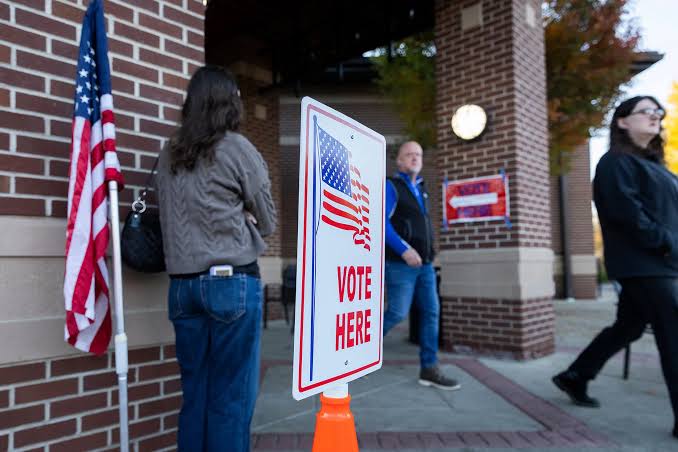
Also read: US Midterm Elections 2026 Begin as Voters Decide Control of Congress
Among the contests that reshaped the Senate map were races in states that had been central to the Republican majority. Democratic candidates won or took the lead in several Republican-held seats, including contests in Texas and North Carolina, while Democratic incumbents retained seats in states such as Georgia. The results show that the shift was not confined to one region and that the party made gains in states that had been considered difficult terrain for Democrats.
Economic concerns were a major part of the election. The AP Voter Poll found that many voters were worried about the cost of living and the direction of the economy, while dissatisfaction with the administration and concerns about government accountability also shaped decisions. The poll’s findings provide context for the result, but they do not mean that every voter supported the same policy alternatives or that a single issue determined the outcome in every state.
Republican losses also reflected the risks of tying local and congressional campaigns closely to the president. Trump had personally campaigned for candidates and used his influence to shape the party’s message. After the results, he congratulated Democrats but rejected the interpretation that the outcome was a personal rebuke, blaming Republican candidates for failing to win their races, according to AP reporting.
Control of the Senate gives Democrats the ability to set committee leadership, influence the legislative calendar and conduct oversight hearings. The chamber also plays a central role in confirming Cabinet officials, ambassadors and federal judges. A Democratic majority can therefore make it harder for the administration to move nominees through the Senate and can subject executive-branch decisions to more sustained scrutiny.
Congressional oversight does not automatically reverse presidential policies. The White House retains executive authority, and legislation still requires passage through both chambers and the president’s signature or a veto override. But committee control can change which issues receive hearings, which documents are requested and which officials are called to testify. The new majority is likely to face pressure from its own members to investigate matters that became prominent during the campaign.
The House remains the next major uncertainty. If Democrats win the chamber as well, they would control both congressional committees and the House’s legislative agenda. If Republicans retain it, divided control would make major legislation more difficult and increase the likelihood of negotiations over spending and other must-pass measures. Until the remaining races are called, either scenario should be described as a possibility rather than a settled outcome.
The midterms will shape the final two years before the 2028 presidential election. For the administration, the Senate result means a more contested confirmation process and stronger oversight. For Democrats, taking the chamber creates an opportunity to influence national debates, but it also places responsibility on the party to show that its campaign gains can translate into legislative and institutional action.





Comments (0)
Be the first to comment. Comments are published after moderation.