


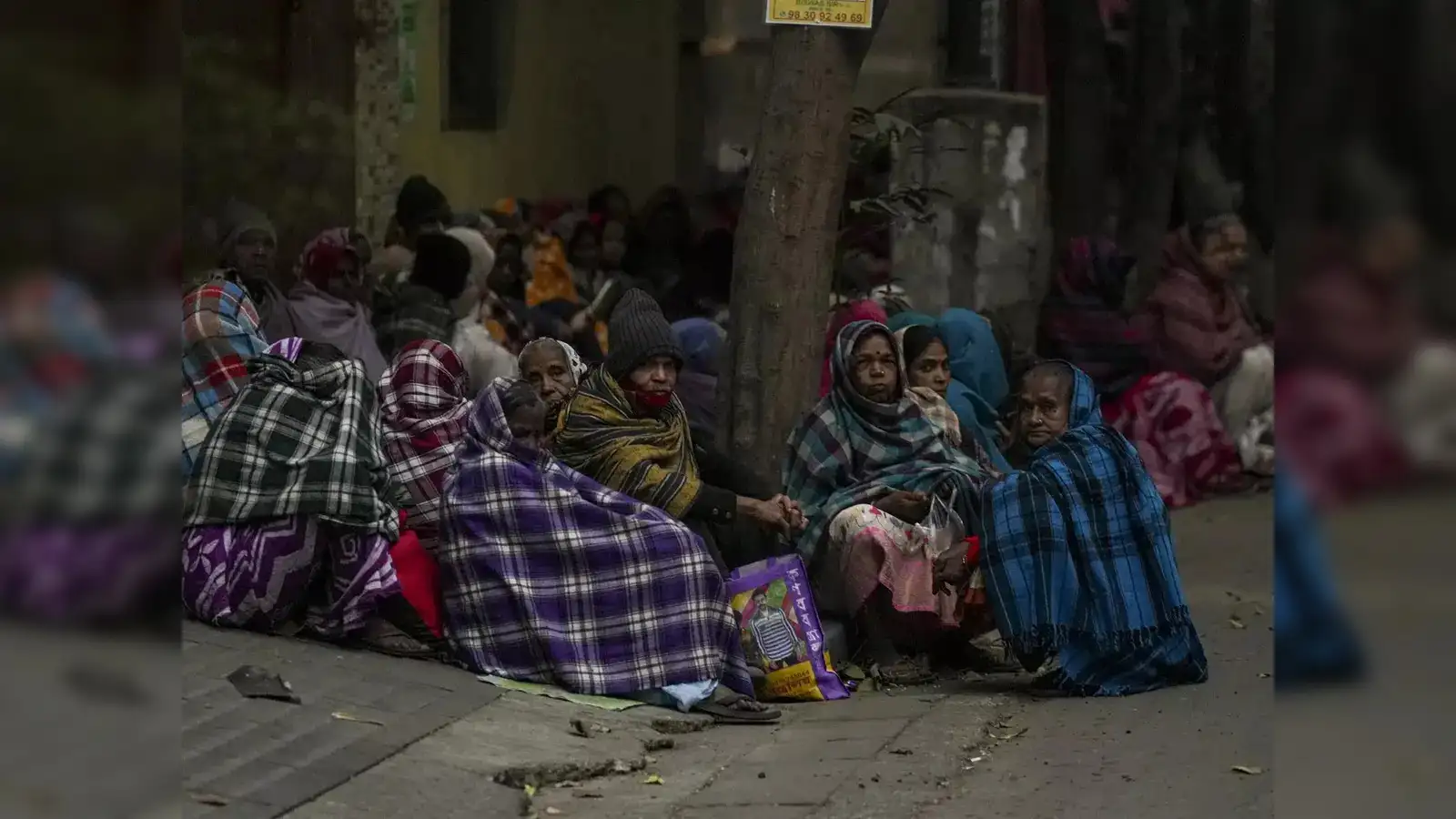
Kolkata is likely to have largely dry weather through Diwali on November 8, while minimum temperatures are expected to ease over the next few days. The India Meteorological Department’s Regional Meteorological Centre in Kolkata has forecast dry conditions for the city for the first five days of its seven-day outlook, with light rain or thundershowers possible at one or two places on November 9 and 10. The bulletin lists no weather warning for Kolkata during the forecast period. The outlook offers a relatively settled window for travel and outdoor plans, but it is not a guarantee that every neighbourhood will experience identical conditions.
The forecast is important because the festival falls on Sunday, November 8, when families are likely to be travelling between homes, markets and places of worship. A dry-weather outlook reduces the likelihood of rain disrupting evening plans, but residents should still check the latest district bulletin before setting out. Local showers can develop unevenly, and a seven-day forecast is less precise than a short-range nowcast. The IMD’s wording is therefore best read as the most likely regional pattern, not as a promise that rain is impossible.
The South Bengal district forecast issued by the RMC lists dry weather as most likely in Kolkata from the morning of November 4 through the morning of November 9. For the next two forecast periods, covering November 9 and 10, it says light rain or thundershowers may occur at one or two places. The bulletin does not describe a widespread rain event for the city. It also lists the warning column for Kolkata as nil across the seven-day period, which means the forecast does not carry a district-level warning for the city in that bulletin.
That distinction matters. A forecast of light rain at one or two places is not the same as a city-wide spell, and it should not be reported as a heavy-rain alert. The IMD uses separate forecast and warning products: the former describes likely weather, while the latter flags conditions that may require special precautions. Residents should check both if they are planning a long journey, an outdoor event or a late-night return. A nil warning does not mean that conditions cannot change; it means no warning category has been issued for the district in the bulletin consulted.
The same outlook expects no large change in minimum temperature during the first 24 hours, followed by a gradual fall of around 3–4 degrees Celsius over the next three days. That points to cooler nights rather than an abrupt cold spell. The bulletin does not suggest that Kolkata is entering a cold-wave period. Temperatures can still vary between central Kolkata, the airport area and outlying suburbs because of local land cover, building density, wind and proximity to water.
The RMC’s city observations on November 4 showed a temperature of 27.2°C at Alipore with calm winds and relative humidity of 83%. At Dum Dum, the observation was 26°C with northwesterly winds of 11.1 kilometres per hour and humidity of 89%. These are station readings, not a forecast maximum or minimum for the entire city. They show why two nearby stations can record different conditions at the same time, particularly when wind and moisture vary.
A fall in minimum temperature is usually noticed after sunset and in the early morning, when the ground loses heat. The daytime maximum can remain comparatively warm, especially in built-up parts of the city that retain heat after sunset. People may therefore experience a comfortable afternoon followed by a cooler late evening. Humidity also affects how the temperature feels: a humid night can feel warmer and more uncomfortable than the thermometer alone suggests, while a breeze can make the same reading feel cooler.
The transition into November does not mean every day will be progressively colder. Cloud cover, wind direction and moisture can interrupt the decline in night temperatures. A change in wind can also affect how quickly a neighbourhood cools. Residents should use the daily minimum and maximum forecast rather than infer a season-wide pattern from one morning’s observation. The IMD bulletin is a short-range outlook; it should be updated as the forecast window advances.
Kolkata’s weather should also be read separately from conditions in other parts of eastern India. A weather system affecting coastal Andhra Pradesh or the Bay of Bengal does not automatically create rain in the city. The track, strength and moisture flow of a system determine where rain develops. That is why the district forecast for Kolkata is more useful for local planning than a headline about a storm elsewhere in the region.
For people attending evening pujas or family gatherings, the current outlook supports keeping outdoor plans in place while retaining a simple backup option. Carrying a light layer for a late return may be sensible as night temperatures ease, but the forecast does not call for heavy winter clothing. People travelling across the city should allow for traffic and crowding rather than assume that dry weather will make journeys quick. If light rain develops later in the week, wet roads can still affect braking distances and two-wheeler visibility even when rainfall is brief.
Street vendors, market organisers and event managers can use the dry-weather window to plan temporary stalls, electrical connections and crowd movement. They should still secure loose canopies and cables, keep exits clear and follow local fire and electrical safety rules. A forecast cannot remove the risk of localised showers or short-lived gusts. The safest approach is to monitor the next IMD update and avoid leaving temporary equipment exposed overnight.
People with respiratory or cardiovascular conditions should not use a dry-weather forecast as a proxy for clean air. Weather and air quality are different measurements. A day without rain can still have elevated particulate pollution, while a humid morning can occur with a range of pollution levels. Check the nearest air-quality station and follow public-health advice if readings worsen. The same principle applies to fireworks: a forecast of dry conditions says nothing about whether local rules permit their use or whether smoke will disperse quickly.
For travellers arriving at or departing from the city, the forecast does not currently point to a major weather disruption, but transport schedules should be checked independently. A flight delay or train disruption can occur for operational reasons unrelated to local weather. Passengers should rely on the airline or railway’s live status and allow enough time for road travel. A regional forecast is not a substitute for a carrier’s operational update.
The practical picture is therefore straightforward: Kolkata is expected to remain mostly dry through Diwali, night temperatures are forecast to fall gradually, and light rain may occur at one or two places on November 9 and 10. The district warning column is nil in the bulletin reviewed. Residents should treat that as the current forecast, not a guarantee, and check the next IMD update if plans depend on precise timing or conditions.


Comments (0)
Be the first to comment. Comments are published after moderation.