


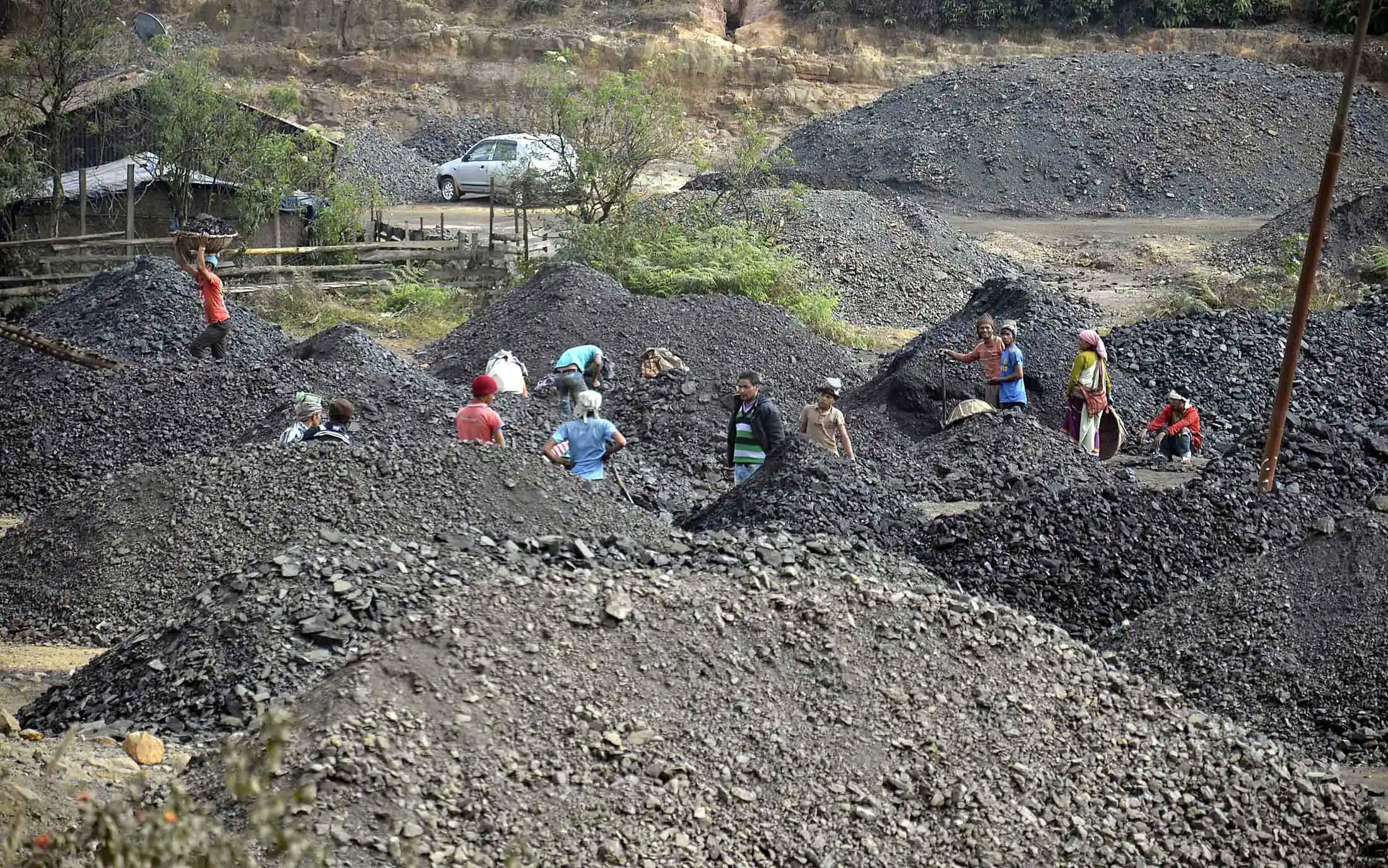
Coal production from India’s captive and commercial mines rose 42 per cent year on year to 22.03 million tonnes in October, while dispatches increased 36 per cent to 21.11 million tonnes, according to figures released by the Ministry of Coal on November 2. The data cover captive and commercial blocks and should not be read as the growth rate for all coal production in India.
The Ministry said output from these mines had been 15.49 million tonnes in October 2025. Dispatches rose from 15.48 million tonnes a year earlier to 21.11 million tonnes in October 2026. The figures were published in the Ministry’s monthly production and dispatch release at 11:37 am IST.
For the April-to-October period of the current financial year, production from captive and commercial mines reached 117.23 million tonnes, up 11.30 per cent from 105.33 million tonnes in the corresponding period a year earlier. Dispatches rose 11.53 per cent to 124.86 million tonnes from 111.95 million tonnes.
The Ministry attributed the rise to improved operational efficiency, higher mining productivity and more effective use of capacity in the captive and commercial mining segment. Those are the Ministry’s explanations; the release does not provide a mine-by-mine breakdown of the factors behind the increase.
Also read: India Orders 112 Captive Coal Plants to Run at Full Capacity as Power Demand Surges
The Ministry said the Lohari coal mine in Jharkhand received Mine Opening Permission in October after waiting several years to begin operations. With that approval, the number of operational captive and commercial coal mines rose to 87. The permission is a regulatory milestone; the release does not quantify how much coal Lohari will produce immediately.
IANS reported the October figures at 11:54 am IST, while an ANI report carried by Dailyhunt also reproduced the Ministry’s data. Both reports cited the same official figures. The Ministry said the increase in production was expected to reduce reliance on imported coal and strengthen supply-chain resilience. That is the government’s stated expectation, not a measured reduction in imports attributable solely to October’s output.
Also read: CEA Warns of Coal Stock Pressure as India Power Demand Rises
The rise in captive and commercial output comes as India balances electricity demand, industrial fuel requirements and the expansion of renewable power. Captive mines supply coal to industrial or power-sector users linked to the mining entity, while commercial mines can sell coal to other buyers. The October figures show growth in this segment, but they do not by themselves establish how much additional coal reached individual power stations or how the national generation mix changed.
Also read: UltraTech Cement Crosses 2 GW Captive Green Energy Capacity
Higher domestic coal availability can improve fuel security and reduce exposure to imported supplies, but it does not amount to a reduction in carbon emissions. The Ministry’s release contains no emissions estimate, and the climate impact depends on how much coal is ultimately burned, the efficiency of the plants using it and the extent to which cleaner generation displaces fossil-fuel output.
The next useful indicators will be monthly mine-level production, dispatches to power and industrial consumers, coal imports and the fuel stocks held by thermal power stations. Those measures will help establish whether the increase is sustained and whether it changes the country’s dependence on imported coal.
Sources: Ministry of Coal, Press Information Bureau, Release ID 2331406; IANS, carried by Timesnet; ANI, carried by Dailyhunt.






Comments (0)
Be the first to comment. Comments are published after moderation.