


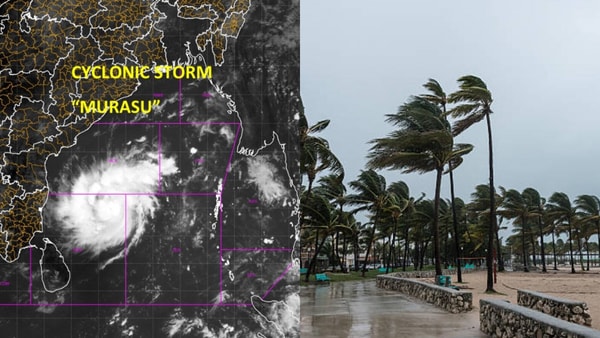
CHENNAI, November 2, 2026 — Schools in Chennai and neighbouring Tiruvallur district remained closed on Monday as weather authorities warned of very heavy rain linked to Cyclone Murasu, which is moving towards the south Andhra Pradesh coast. Chennai’s district administration announced a one-day holiday for schools and colleges, while Tiruvallur authorities also declared a school holiday as a precaution.
The closure is intended to reduce travel risks for students, families and school staff during a period when intense rain could cause waterlogging, traffic disruption and localised flooding. The Chennai District Collector’s announcement said the holiday applied for Monday, November 2. Parents should not assume that the order automatically extends to Tuesday; any further closure will depend on fresh instructions from the relevant district administration or individual institutions.
The India Meteorological Department’s latest cyclone information described Murasu as a severe cyclonic storm over the west-central and adjoining southwest Bay of Bengal. In a coastal bulletin valid through the morning and early afternoon, the system was located roughly 200 kilometres east-northeast of Chennai and 210 kilometres east-southeast of Nellore at the bulletin’s reference time. The department forecast that the storm would continue northwest and cross the south Andhra Pradesh coast between Nellore and Narsapur, close to Ongole, late on Monday night or in the early hours of Tuesday.
Forecasters warned that winds near landfall could reach 100 to 110 kilometres per hour, with gusts up to 120 km/h. Chennai and Tiruvallur were under an orange rainfall alert for Monday, with very heavy rain possible at isolated locations. Chengalpattu, Kancheepuram, Ranipet, Vellore and the Nilgiris were among the other districts placed under a lower-level alert for heavy rainfall. The forecast is not a guarantee that every neighbourhood will receive the same amount of rain; conditions can vary sharply over short distances.
The storm’s expected landfall is in Andhra Pradesh, but its rain bands and the wider northeast monsoon system can still affect northern Tamil Nadu. The school decision reflects that difference between a cyclone’s projected crossing point and the broader area exposed to rain, gusty winds and disrupted transport. Local impacts depend on the storm’s track, speed, rain distribution and the condition of drains and roads, rather than distance from the landfall point alone.
State disaster-management officials have asked district administrations to remain prepared for weather-related emergencies. In Andhra Pradesh, authorities told Reuters that evacuation work had begun ahead of the storm, with around 2,000 people moved from vulnerable areas and plans to evacuate more as conditions required. The region is still recovering from Cyclone Arnab, which struck the eastern coast the previous week and caused deaths and damage. That recent experience has added urgency to precautionary measures, although the impact of Murasu will only become clear after it passes.
For parents, the most important step is to follow notices from the school and district administration rather than relying on forwarded messages. If a school has issued its own transport or examination notice, families should check whether it contains any additional instructions. Students should avoid travelling through waterlogged underpasses and roads where water is moving quickly, and should stay away from fallen wires, damaged electrical equipment and flooded streets. Even shallow-looking water can hide open drains or debris.
Residents should also keep phones charged, secure loose items on balconies and rooftops, and avoid unnecessary trips while heavy rain or strong winds are occurring. People living in low-lying areas should pay attention to local warnings and move to safer locations if instructed by authorities. Chennai district lists its collectorate control room at 1077 and the state control room at 1070; the emergency medical number is 108. These numbers are for urgent assistance, not for confirming school holidays.
The immediate question for families is whether Tuesday’s classes will proceed as normal. No automatic extension should be assumed from Monday’s announcement. A new warning, fresh rainfall observations or local flooding could prompt further decisions, but any extension needs to be confirmed by the authorities responsible for the district. The forecast may change as Murasu approaches the coast, so the latest official bulletin and district notices remain more reliable than old screenshots or unofficial social posts.
With the cyclone expected to cross the Andhra coast overnight, public safety measures will depend on how closely the storm follows the forecast track and how much rain falls across the affected districts. The school holiday is a limited precaution for one day; it should not be treated as a signal that the weather risk has passed. Families should continue to follow official updates until the warning period ends.
SOURCE: India Meteorological Department;


Comments (0)
Be the first to comment. Comments are published after moderation.