


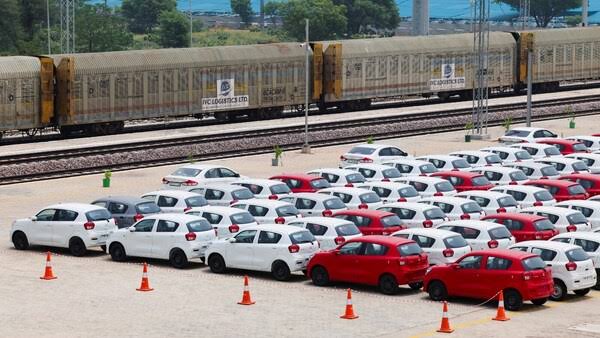
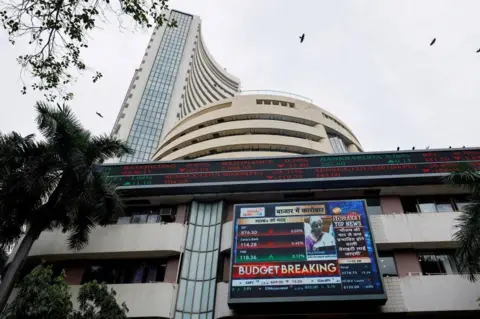
MUMBAI, November 2, 2026 — Shares of Indian automakers rose on Monday after October sales updates pointed to resilient demand during the festive buying period, although analysts warned that the shift of Diwali from October last year to November this year makes year-on-year comparisons harder to interpret. The Nifty Auto index was up 1.22% at 25,733.6 points at 9:24 a.m. IST, according to Reuters, as investors weighed sales growth against higher input costs and the question of whether demand will hold after the festival season.
Maruti Suzuki shares rose 2.58% to ₹11,691 at that point in the session, while Ashok Leyland gained 2.13%, Tata Motors Passenger Vehicles advanced 1.87% and TVS Motor climbed 1.37%. Those moves followed monthly sales disclosures from manufacturers across passenger vehicles, two-wheelers and commercial vehicles. The market response suggested that investors were encouraged by the volume numbers, but the early gains were not proof that the sector had entered a sustained uptrend.
Maruti Suzuki reported its highest-ever monthly sales volume, with 276,120 units in October. The company’s release listed domestic sales of 216,789 units, sales to other original-equipment manufacturers of 9,459 units and exports of 49,872 units. The record total gives the country’s largest carmaker a strong headline figure at the start of the month, but the mix matters: domestic dealer dispatches, exports and sales to other manufacturers reflect different sources of demand and should not be treated as a single measure of retail purchases by Indian households.
Reuters reported that TVS Motor’s October sales rose 29% from a year earlier. Tata Motors’ commercial-vehicle sales increased 27%, while Ashok Leyland reported growth of 23%. These figures point to strength beyond passenger cars, particularly in two-wheelers and trucks. Commercial-vehicle demand can be influenced by freight activity, infrastructure work and replacement cycles, while two-wheeler purchases are closely linked to household mobility, rural conditions and the cost of financing.
The picture was not uniform across the industry. Reuters reported a 12% year-on-year decline in Mahindra & Mahindra’s total sales and said the company attributed the drop mainly to the shift in festive dates. That caveat is important: monthly numbers can be affected by when manufacturers dispatch vehicles, when dealers register them and when consumers choose to buy. A strong result from one company does not automatically translate into a broad recovery across every vehicle category.
Another complication is the difference between wholesale sales and retail registrations. Company announcements generally count vehicles dispatched to dealers, while registration data records vehicles registered with transport authorities. The two series can diverge when dealers build or reduce inventory, when registrations are delayed or when festive promotions pull purchases forward. Autocar India’s analysis of VAHAN-based passenger-vehicle registrations put October’s total near five lakh units across 14 manufacturers, but that retail measure should not be directly compared with a company’s dispatch figure without checking the definitions and vehicle categories.
The calendar is central to interpreting the numbers. Diwali fell in October in 2025 but falls in November this year, shifting part of the usual festive demand window between months. A year-on-year comparison can therefore make October 2026 look weaker or stronger than the underlying trend, depending on when bookings turn into dispatches and registrations. Analysts cited by Reuters said the more revealing test will come after the festival period, when demand is no longer receiving the same seasonal support.
Last year’s tax-cut-driven surge also raised the comparison base for several manufacturers. When the previous year’s sales are unusually high, a slower percentage increase does not necessarily mean demand has collapsed; equally, a month-on-month jump around a major festival does not prove that households are buying more vehicles over the full year. Investors will need to separate calendar effects from genuine changes in affordability, replacement demand, new-model interest and the pace at which dealers can clear inventory.
Input costs are another pressure point. Automakers have faced higher prices for key materials, including steel and copper, while companies have used price increases to protect margins. Analysts at Emkay Global, as reported by Reuters, favoured two-wheeler and commercial-vehicle makers over passenger-vehicle companies partly because those businesses may have more scope to pass rising commodity costs through to customers. That is an assessment of relative pricing power, not a guarantee that higher prices will be accepted without affecting demand.
Jefferies said TVS Motor, Maruti Suzuki and Hero MotoCorp delivered the biggest positive surprises against its October wholesale-sales forecasts, according to Reuters, and retained TVS Motor and Eicher Motors among its preferred picks. Brokerage preferences can influence short-term share moves, but they are based on assumptions about future earnings, costs and valuations. They should not be read as a substitute for the companies’ reported results or as certainty about subsequent share prices.
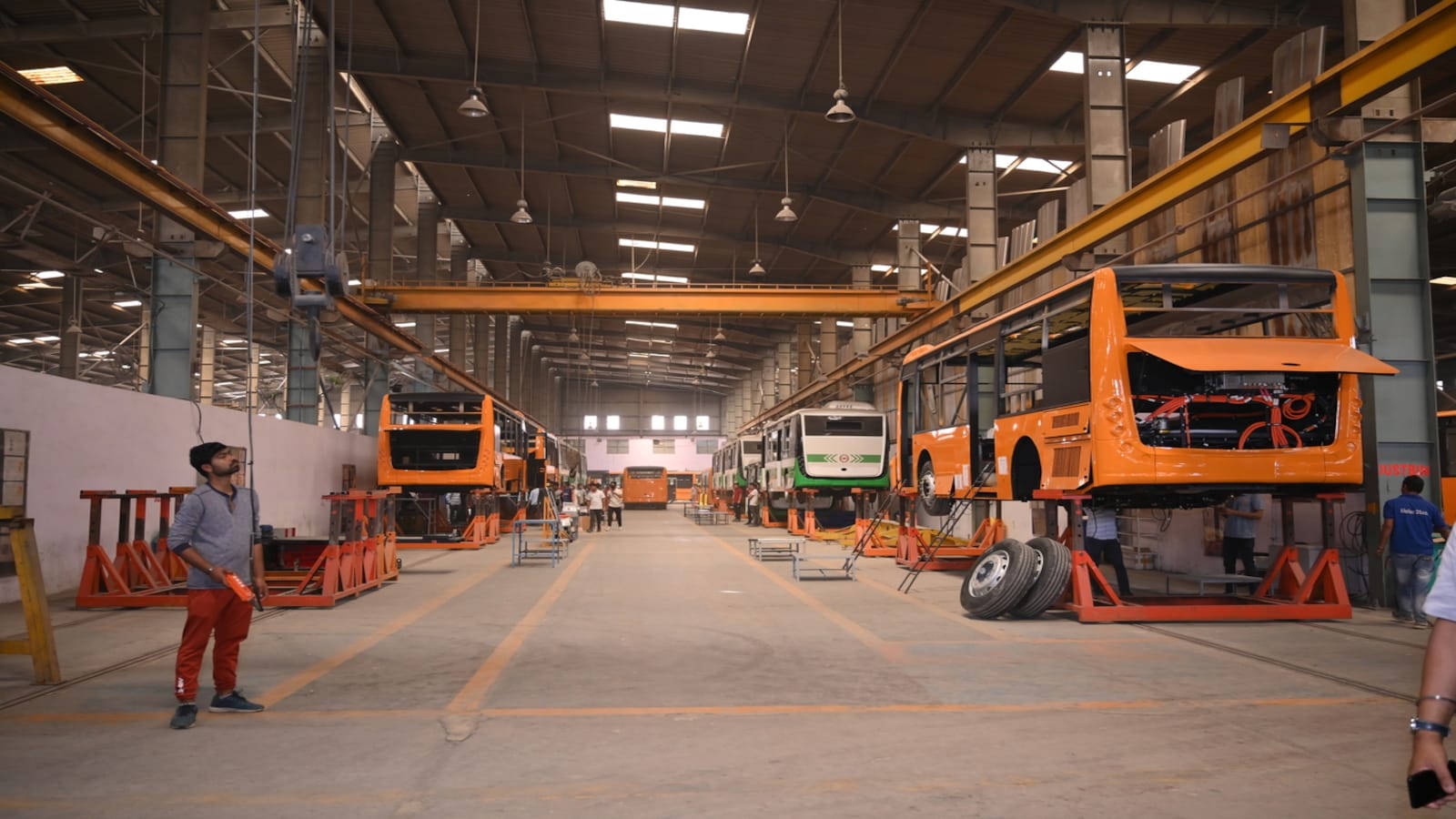
The sales data also matters beyond the stock market. Vehicle demand feeds into factory utilisation, dealer cash flow, component suppliers, logistics and employment across manufacturing clusters. A durable increase in orders can support production and supply-chain activity, while a sharp reversal after the festival season can leave dealers with excess inventory and pressure manufacturers to increase discounts. For commercial vehicles, the sustainability of growth may depend on freight demand and business investment; for two-wheelers and passenger cars, affordability and access to credit remain important.
Investors will now watch whether the sales momentum carries into November, when the festival calendar is more directly reflected in the monthly data, and whether manufacturers can protect margins as costs rise. They will also look for a clearer distinction between dispatch growth and retail demand, along with signs that dealer inventory is healthy. If the post-festive period brings slower orders, October’s strong numbers may prove to have been a timing effect; if demand holds up, the results could provide firmer evidence of a broadening recovery.
Monday’s share-price gains show that the market welcomed the latest sales reports, but they do not settle the outlook for the industry. The more useful signal will be a sequence of monthly data points, read alongside margins, inventory and consumer demand. For now, October’s numbers offer encouragement in several segments while leaving the key question unanswered: how much of the strength will remain once the festive calendar no longer provides a boost?
SOURCE: Reuters; Autocar India; Maruti Suzuki India Limited.


Comments (0)
Be the first to comment. Comments are published after moderation.