


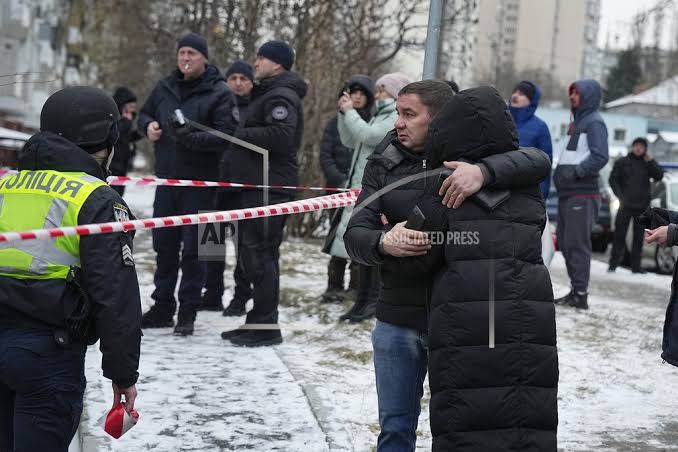
MOSCOW, November 1, 2026 — Russia’s Federal Security Service (FSB) says it has detained an unnamed minor after receiving a warning from the United States about a possible attack at the Tsaritsyno Museum Reserve, a historic palace and park complex in southern Moscow. The agency’s account was reported by Interfax and carried by Reuters on Sunday. Russian investigators are still considering what legal or procedural steps to take, and no formal charge or court finding has been announced in the reports reviewed.
The detention follows a US Embassy security alert issued on Saturday, October 31, which described a credible threat of a mass-casualty event at Tsaritsyno that day and said Washington was coordinating with Russian authorities. The embassy urged people to avoid the area. The site was temporarily closed, according to reporting by Reuters and other outlets. No attack or casualties at the reserve were reported in the material reviewed.
The FSB’s statement does not independently establish that an attack would have taken place. Details about the suspected plan, the minor’s identity and the evidence collected have not been made public in full. The allegations should therefore be treated as the security service’s account of an investigation, not as proof of guilt.
Also read: Trump Says US-Iran Ceasefire Talks Should Not Be Rushed
Reuters reported on Sunday that the FSB said the detained minor had posted photographs on TikTok showing tactical clothing, a balaclava and an object that appeared to resemble an automatic weapon. The agency also said the images included photographs taken at Tsaritsyno with a caption that it interpreted as threatening. Those descriptions were attributed to the FSB through Interfax; the photographs and their context have not been independently authenticated in the reporting reviewed.
The FSB further said that a search of the minor’s home found clothing and accessories matching the social-media images. It also claimed that the phone contained a subscription to a neo-Nazi channel on Telegram and searches related to terrorist attacks, mass killings and other violence. These are allegations reported from the security service’s account. A channel subscription or search history, without the wider evidence and context, does not by itself establish that a person planned an attack.
The FSB said Russia’s Investigative Committee was considering what legal or procedural action to take. The public information reviewed did not identify the minor, specify a charge, describe a court hearing or set out a detailed timeline for any next step. Those gaps are important, particularly because the person detained is underage and the case remains at an early stage.
The US Embassy in Moscow issued its alert on October 31, warning of a credible threat of a mass-casualty event at the museum reserve and saying the US government was coordinating with the relevant Russian authorities. Reuters reported separately that the FSB had received information from the US through established partner channels about preparations for a possible attack in Moscow. The FSB said it was taking appropriate measures.
On Sunday, the FSB announced the detention and credited the US side with providing information. The sequence suggests that the warning prompted a security response, but public statements do not reveal the full intelligence trail or how investigators assessed the threat. Neither government has released a detailed account of the information exchanged, and it would be premature to infer more about the cooperation from the brief statements alone.
The warning was specific to a place and a day. It did not publicly identify a suspected perpetrator or explain the alleged method of attack. The embassy advised people to avoid the site and remain alert; Russian authorities closed the reserve temporarily. The latest reports say a minor was detained, but they do not provide a public account of whether the threat was assessed as imminent, whether any weapons were found or what evidence led investigators to the suspect.
Tsaritsyno is a palace-and-park complex in southern Moscow associated with Catherine II, who commissioned the estate in the 18th century. It is a cultural and recreational destination, with historic buildings, museum spaces and public grounds. The warning came during a weekend, when public sites can draw visitors, but officials have not disclosed details about any specific event or crowd that may have been considered at risk.
A location-specific warning can disrupt normal public life even when no attack occurs. A temporary closure affects visitors and staff, while security agencies must decide how to protect the site without creating unnecessary alarm. Public alerts need enough information for people to take precautions, but authorities may withhold operational details while an investigation is under way. In this case, the embassy named the reserve and the date; the FSB later offered a brief account of the detention.
The public still lacks enough information to judge the alleged threat’s scale or credibility independently. That does not mean the warning should be dismissed: officials described it as credible and took action. It means the claims should remain attributed until investigators release evidence or a court process establishes facts.
The incident has also drawn attention because Washington and Moscow remain at odds over Russia’s war in Ukraine and other security issues. The US Embassy said it was coordinating with Russian authorities, while the FSB publicly thanked the American side for the information. The statements offer a rare public example of a security channel operating despite the wider political confrontation.
It would be too much to conclude that the episode signals a broader diplomatic thaw. The public statements describe a specific warning and response, not a new agreement or a change in the two countries’ positions on Ukraine. Intelligence agencies can share information about a potential attack while governments remain deeply divided on other matters. The scope and continuity of any such contact have not been disclosed.
The warning also recalls the US Embassy’s March 2024 alert about a potential extremist attack on large gatherings in Moscow. The Crocus City Hall attack took place later that month and killed more than 140 people. That history helps explain why a warning about a crowded public site is taken seriously, but it does not establish a connection between the 2024 attack and the current case. The circumstances, evidence and people involved are different, and no link has been reported.
Several central questions remain unanswered. Authorities have not published the evidence behind the alleged plan, named the minor, disclosed any formal charge or explained whether investigators believe other people were involved. The reports also do not establish whether the threat was directed at a particular event, a person or the reserve as a whole. No attack or casualties at Tsaritsyno were reported in the sources reviewed.
The next reliable update would be a statement from the Investigative Committee or another competent authority describing the legal status of the case. Any such statement should be distinguished from the FSB’s initial allegations. If charges are brought, the case would still need to proceed through the applicable legal process; a detention does not amount to a conviction.
For now, the verified outline is limited but clear: the US Embassy warned of a credible threat at Tsaritsyno on October 31; Russian authorities said they received information through established channels and temporarily closed the site; the FSB later said it detained an unnamed minor; and the Investigative Committee was considering next steps. The details of the alleged plot and the legal outcome remain unresolved.



Comments (0)
Be the first to comment. Comments are published after moderation.