


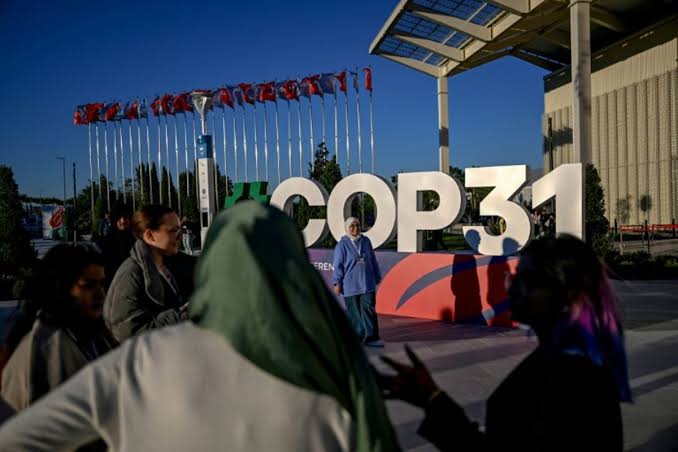
ANTALYA, Türkiye, November 10, 2026 — The COP31 electrification target to raise electricity’s share of global final energy consumption to 35% by 2035 is emerging as one of the central tests at the summit, where Turkey wants the goal reflected in the summit’s final outcome. The proposal is being debated alongside a separate dispute over climate finance: delegates adopted a standalone Climate Finance Work Programme after developing countries pressed for a formal place to examine whether rich nations are meeting their existing obligations.
The two issues are connected. Electrifying transport, buildings and industrial processes can reduce dependence on oil, gas and coal, but the climate benefit depends on how electricity is generated and whether grids, storage and new capacity can be built quickly. Those investments require money, particularly in developing economies. The opening-day compromise on finance gives countries a forum for discussing those obligations, but it does not create a new funding commitment or settle the argument over how much public finance should reach vulnerable countries.
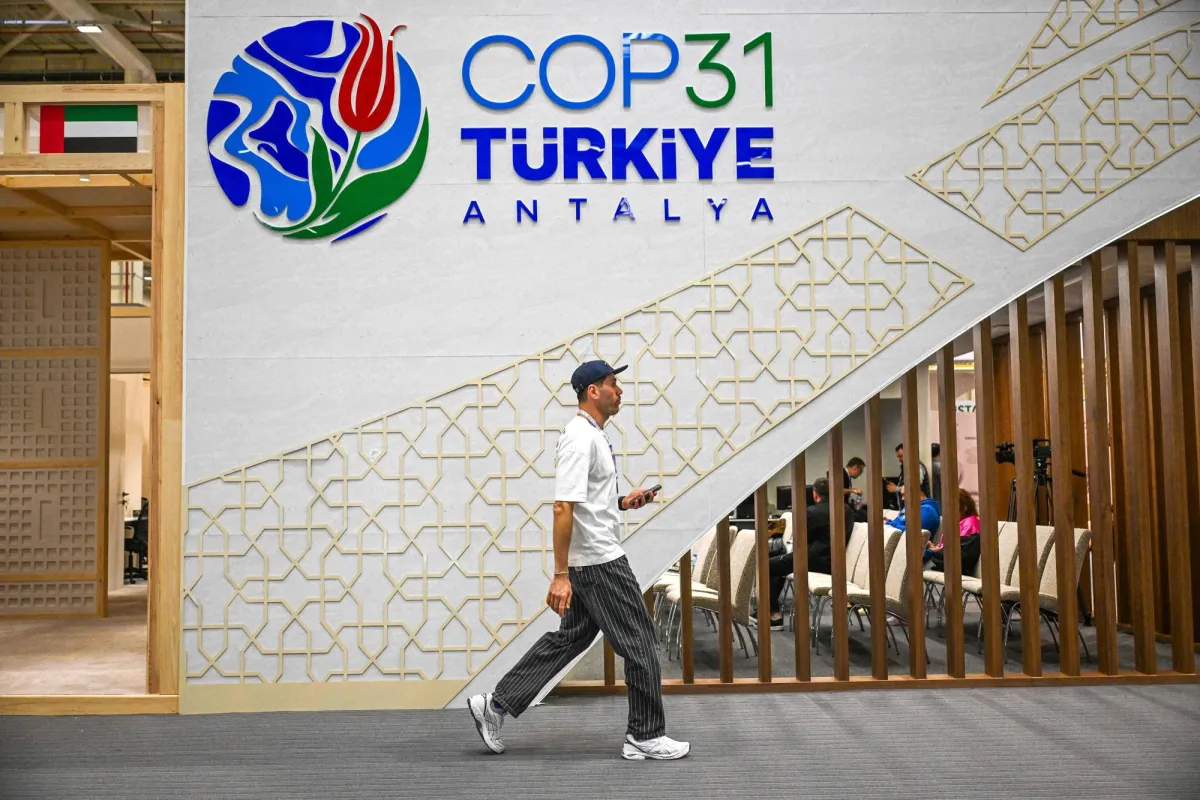
COP31 began in Antalya on November 9 under the Turkish presidency, with Australia leading the negotiations. The conference is being presented as an implementation summit, but the first agenda dispute showed how far countries remain apart on who should pay for climate action, what counts as adequate finance and whether new energy targets should carry clear conditions on clean power.
The 35-by-35 proposal aims to increase electricity’s share of global final energy consumption to 35% by 2035, from roughly one-fifth today. The shift would require more transport to run on electricity, wider use of electric heating and cooling, and greater electrification of industrial processes. It could also accelerate investment in transmission lines, distribution networks, batteries and other technologies needed to move power reliably from generators to consumers.
Turkey’s COP31 presidency is seeking to make the voluntary target a prominent part of the summit’s final agreement. The goal is not yet a binding legal obligation on governments. Its inclusion in a political outcome would signal a shared direction, but the wording, measurement and treatment of national circumstances remain under discussion. The distinction matters because a global target can encourage investment without guaranteeing that each country will adopt the same pathway or deliver the same pace of change.
The main question is whether the target will specify that the additional electricity must be low-carbon. Electrification can cut emissions when electric vehicles replace petrol engines or heat pumps replace fossil-fuel boilers and the power comes from renewable, nuclear or other low-emissions sources. If the electricity is generated by coal or gas, some of the emissions are shifted from vehicles, buildings or factories to power stations rather than eliminated.
Critics of an unqualified target argue that the emissions benefit depends on the generation mix. If new demand is met by coal- or gas-fired power, electrification can shift emissions from vehicles, buildings and factories to power stations rather than remove them. The COP31 pledge itself recognises the role of sustainable energy sources, storage, grid flexibility and resilient networks, but the political question is whether governments will attach measurable clean-power milestones to the 35% ambition.
The debate is complicated by the energy mix of the countries leading the summit. Coal still supplies roughly a third of Turkey’s electricity and more than 40% of Australia’s, according to reporting on the negotiations. Both governments are promoting electrification, but the pace of grid decarbonisation will determine whether the target produces a net reduction in emissions or mainly shifts where they are released.
Some governments and campaigners are pushing for a stronger link between electrification and clean power. Portugal has argued for “clean electrification”, while Pacific island countries want a clearer pathway away from fossil fuels. African negotiators have said the target could be useful if the necessary investment and technology are made available. Their position reflects a wider concern that countries with lower incomes should not be asked to expand electricity use without the financing needed to build reliable, affordable and cleaner systems.
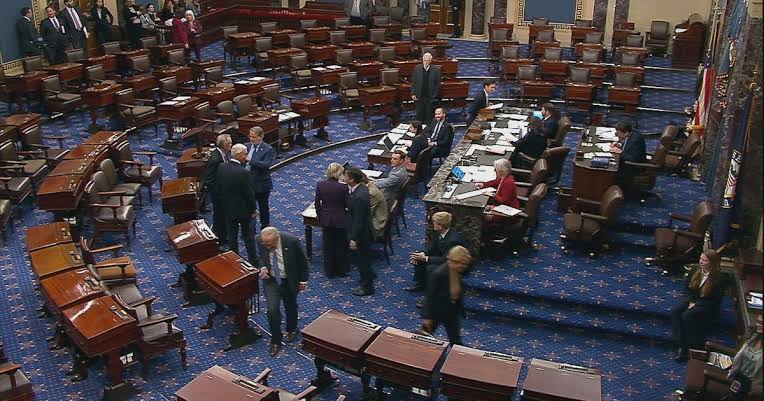
The opening plenary adopted the COP31 agenda on November 9 after negotiations over a standalone Climate Finance Work Programme. The G77 and China, a coalition representing developing countries, wanted the programme to be listed as a separate agenda item so governments could examine how developed countries intend to meet their obligations under Article 9.1 of the Paris Agreement. India was among the countries supporting that demand.
The European Union objected to the standalone treatment, arguing that the programme had already been established with an agreed scope and a two-year term. The disagreement was not simply about the wording of an agenda. A formal item determines how much time an issue receives in negotiations, which countries can raise it and whether it remains visible as the conference moves from opening statements to decisions on implementation.
The compromise allowed the Climate Finance Work Programme to remain on the agenda, avoiding a prolonged procedural fight. But proposals for separate agenda items on tripling adaptation finance and climate-related trade measures were dropped. Funding for the Green Climate Fund is to be discussed under an existing agenda item, while consultations on mountains and climate change will continue through a research dialogue process.
The work programme provides a dedicated space to discuss the implementation of Article 9.1, which says developed countries shall provide financial resources to assist developing countries with mitigation and adaptation. It does not, by itself, create a new pot of money, change the Paris Agreement or compel governments to meet a fresh numerical target. Its value will depend on whether countries use the process to examine the amount, quality, predictability and accessibility of finance, and whether the discussions lead to clearer commitments.
The disagreement comes as climate finance targets become larger while the gap between promised resources and the cost of adaptation remains wide. Under the new collective quantified goal agreed at COP29 in Baku, developed countries are expected to take the lead in mobilising at least $300 billion a year for developing countries by 2035. The decision also called on all actors to scale up finance from public and private sources to at least $1.3 trillion annually by the same year.
Developing countries argue that the $300 billion figure remains below their needs and that the broader $1.3 trillion ambition cannot substitute for predictable public finance. Private investment can support power plants, grids and industrial projects that generate returns, but it is less suited to financing every adaptation measure, including flood protection, early-warning systems, climate-resilient agriculture and infrastructure in places where commercial returns are limited.
The adaptation gap is particularly stark. The United Nations Environment Programme’s 2026 assessment puts annual adaptation needs in developing countries at about $305 billion by 2035. International public adaptation finance stood at an estimated $28.2 billion to $31.7 billion in 2024. Even a tripling of current flows would cover only a fraction of the projected requirement, leaving countries to rely on domestic budgets, borrowing and other sources.
That gap shapes the argument over the quality of finance as much as its headline amount. Governments facing high debt costs are wary of taking on additional loans for projects that protect communities from floods, droughts or sea-level rise but do not generate a direct revenue stream. Developing countries have therefore pressed for grants and concessional funding, clearer delivery schedules and greater transparency about which commitments are new, which are re-labelled and which are actually disbursed.
Developed countries point to the growth in reported climate finance and the role of multilateral banks and private capital. OECD figures cited during the summit put the amount provided and mobilised for developing economies at $136.7 billion in 2024, above the earlier $100 billion annual goal. But that target was first due in 2020 and was reached for the first time only in 2022. The delay continues to shape trust between negotiating groups.
India’s negotiating position has long emphasised climate equity, technology transfer and the responsibility of developed countries to provide finance. The country is expanding renewable generation and electricity access while also facing rising demand from industry, cooling, transport and digital infrastructure. The cost of new transmission, storage and resilient infrastructure will influence how quickly it can reduce emissions without compromising affordability or energy security.
The standalone finance programme is important to India because it gives developing countries a formal route to question how existing obligations are being implemented. A broad electrification target could support investment in electric mobility, heat pumps, industrial equipment and modern grids, but it will be harder for lower-income economies to move quickly if the capital is expensive or arrives after projects are delayed. The same applies to adaptation: funding announced at a summit matters only when it reaches the communities and infrastructure exposed to climate risks.
The absence of a separate agenda item on climate-related trade measures is also relevant for India and other manufacturing economies. Carbon-related border policies and product standards can affect exports of steel, cement, chemicals and other energy-intensive goods. Developing countries want trade measures discussed in a way that accounts for different levels of development and access to technology. The opening-day compromise did not resolve that dispute; it left the subject without the separate formal space sought by some countries.
For emerging economies, the challenge is not choosing between electrification and adaptation. Both require investment, and both depend on the reliability and cost of finance. A target that encourages electricity use without helping countries clean up generation could deliver weaker climate gains. A finance work programme that produces discussion but no clearer delivery could leave countries unable to build the infrastructure needed to meet the target.
Negotiators now face two practical tests. On electrification, they must decide whether the 35-by-35 goal belongs in the final political outcome, how progress would be measured and whether the text should specify clean electricity or simply a larger role for power in final energy use. A voluntary target can still shape policy, but it will be difficult to assess if countries do not agree on baselines and reporting.
On finance, the work programme will need to move beyond a procedural win. Developing countries want a clearer account of how Article 9.1 obligations are being met, how much support is public and grant-based, and how predictable the flows will be. Developed countries will face pressure to explain how the $300 billion goal and the wider $1.3 trillion ambition are expected to translate into projects and disbursements. The dropped adaptation and trade items may return through other negotiating tracks, but their absence from the standalone agenda is a reminder that not every demand survived the opening compromise.
The summit’s implementation claim will be tested by whether governments connect the two debates. Electrification needs clean generation, grids and storage; adaptation needs funding that reaches vulnerable communities; and both require institutions capable of delivering projects on time. The 35-by-35 target can be a useful signal, but its value will depend on the power behind it and the finance available to build it.
Also read: WMO Warns 2026 Among Four Warmest Years as COP31 Opens in Türkiye
Also read: Green Climate Fund Approves Record $1.97 Billion for 21 Projects


Comments (0)
Be the first to comment. Comments are published after moderation.