


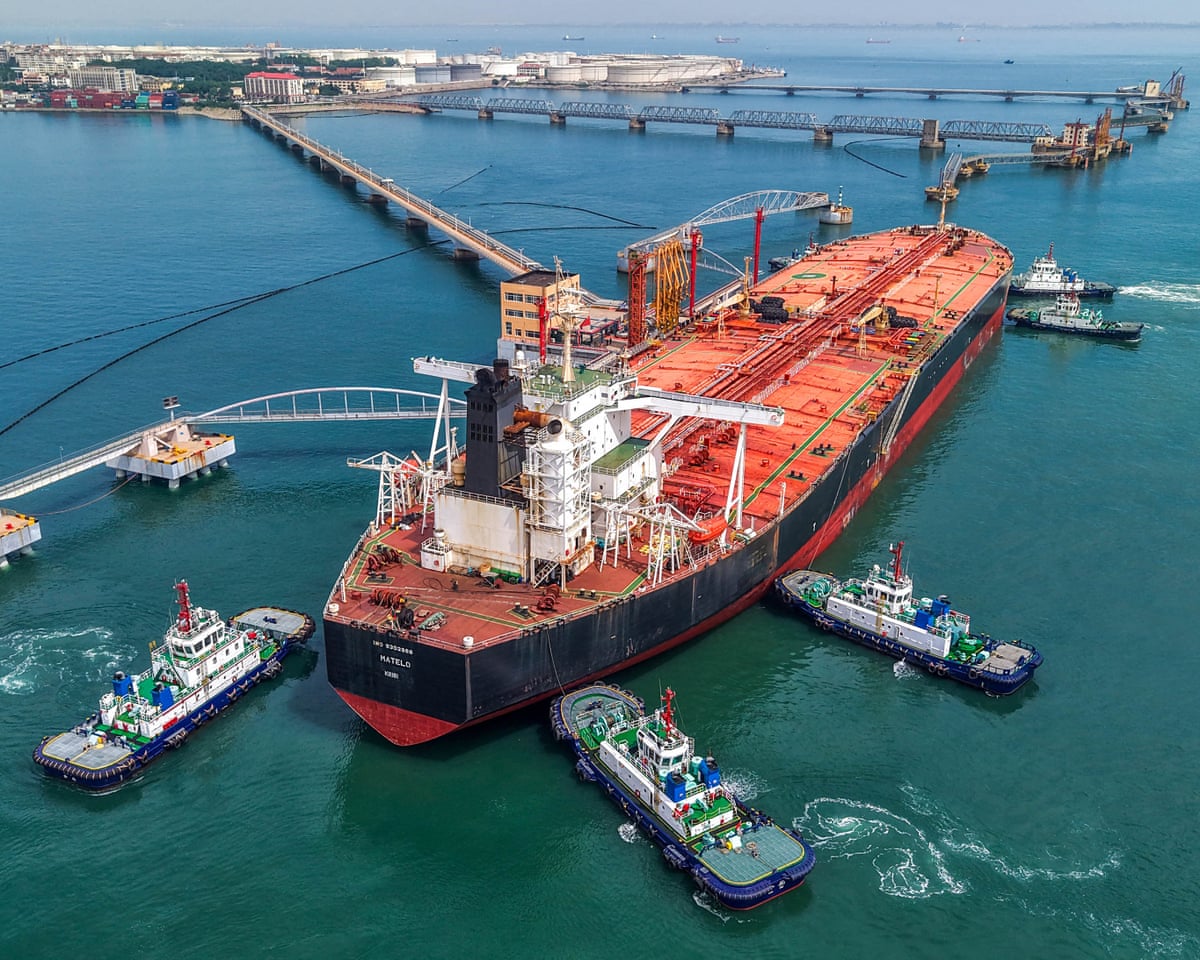
LONDON, November 9, 2026: Oil prices fell sharply on Monday, with Brent crude settling 5.85% lower at $92.57 a barrel and US West Texas Intermediate dropping 4.38% to $86.85, as traders weighed President Donald Trump’s signals that renewed attacks on Iran were unlikely if negotiations progressed. The decline extended a sharp retreat in crude, but it came against a backdrop of continued reports of attacks on shipping near the Strait of Hormuz and a fire at Saudi Arabia’s East-West oil pipeline after an attack.
The price move reflected a change in expectations rather than confirmation that the conflict was ending or that shipping had returned to normal. Trump has indicated that he would prefer a negotiated outcome and does not expect further strikes to be necessary if Iran agrees to a strong deal. At the same time, he has said the United States remains ready to use force, and Washington continues to maintain a naval blockade on Iranian ports.
Reuters reported that Brent settled down $5.75, or 5.85%, at $92.57 a barrel. WTI settled $3.98 lower, a decline of 4.38%, at $86.85. The fall followed a 16% weekly decline in Brent, its steepest weekly loss since the start of the COVID-19 pandemic, according to Reuters. The benchmarks had climbed sharply during the conflict as traders priced in the possibility of prolonged disruption to Gulf exports.
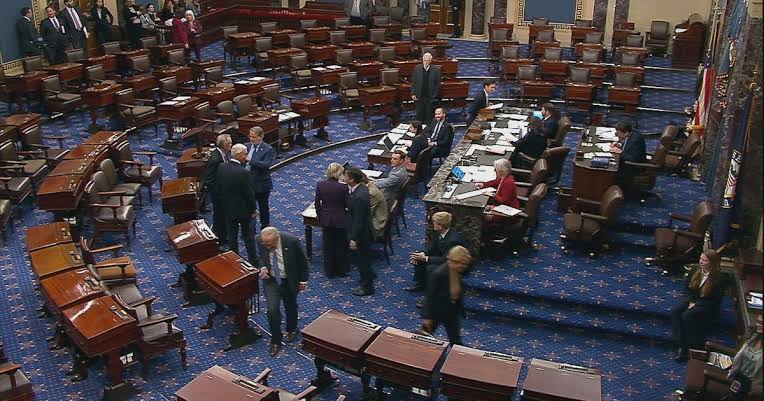
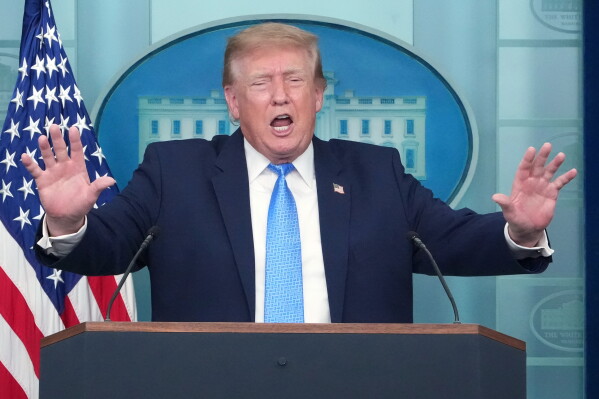
Trump said in a phone interview with CNN on Sunday that he was highly unlikely to order fresh attacks on Iran if negotiations continued to make progress. He tied the decision to whether Tehran would sign what he called a strong agreement. The remarks followed earlier warnings that the United States could resume military action after the midterm elections if the diplomatic process failed.
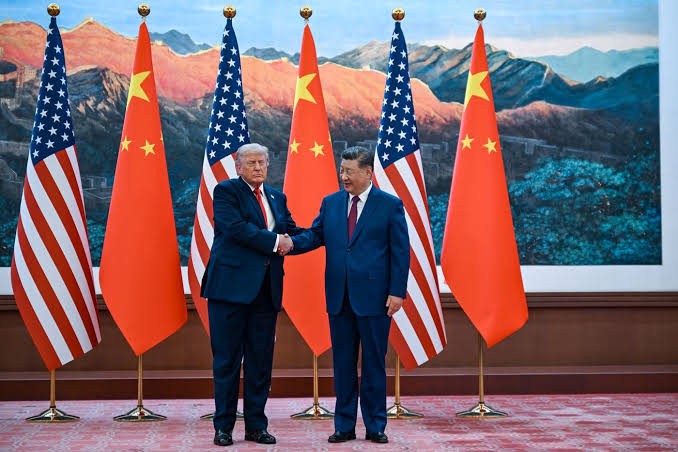
After meeting Qatar’s prime minister on Monday, Trump told Reuters that Qatar and Saudi Arabia preferred a peaceful resolution. He said Washington was ready to resume strikes if necessary, but also indicated that he was in no rush to do so and was content to maintain the naval blockade. The comments suggest that the administration is keeping military options open while allowing regional mediation to continue.
The Associated Press reported a further formulation from Trump after the meeting: he said he believed the war was militarily “effectively over”, while still seeking a longer-term agreement on Iran’s nuclear programme. That description does not amount to a ceasefire or a formal end to hostilities. US forces continue to enforce the blockade, and the president has warned that infrastructure targets could be struck if fighting resumes.
The different messages matter to oil traders because the market must distinguish between a lower probability of a new US strike and the removal of the risks that have disrupted energy flows. A diplomatic pause can reduce the immediate premium built into futures prices, but it does not guarantee that Iran will accept Washington’s terms, that the blockade will be lifted or that vessels will be able to move without interference.
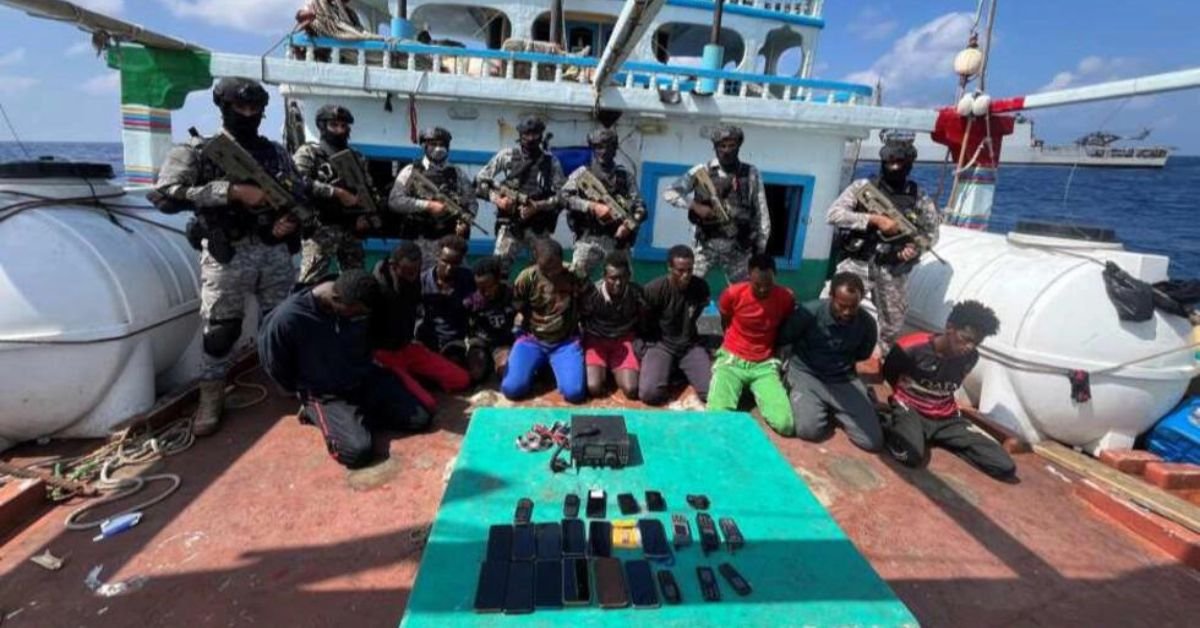
Both the United States and Iran have reported that shipping was hit in or near the Strait of Hormuz. The reports have not established a return to safe, predictable commercial traffic. An Iranian Revolutionary Guards Navy official told state media that navigational aid systems in the southern part of the strait had been destroyed and that no unauthorised vessels had transited overnight. The account did not identify who damaged the systems or explain the effect on all shipping movements, and it has not been independently verified.
Saudi Arabia also reported an attack that set fire to its East-West oil pipeline in the western Madinah region. Emergency teams extinguished the blaze, and officials said there were no casualties and no disruption to the pipeline’s operations. The route is strategically important because it carries crude from the kingdom’s eastern production areas towards the Red Sea, providing an export option that does not require tankers to pass through Hormuz.
The pipeline incident followed a Houthi-claimed attack on Saudi Aramco’s offices in Riyadh, which Saudi officials said caused damage but did not halt the company’s operations. The incidents illustrate why a lower oil price does not necessarily mean that the region’s energy infrastructure is secure. A route can remain operational after an attack while the cost of insurance, security and contingency planning stays elevated.
The Strait of Hormuz remains one of the most important energy chokepoints in the world. Before the war, it carried a substantial share of global seaborne oil and liquefied natural gas. Even a partial restriction can affect tanker schedules, freight rates and insurance premiums, while the possibility of further attacks can influence prices before any measurable fall in exports appears in official data.
Diplomacy is not the only factor weighing on prices. Reuters reported that the physical market was showing signs of weakness, with dated Brent trading at a discount to the nearby futures contract. That structure can indicate that buyers are less willing to pay a premium for immediate cargoes than they are for later delivery. Analysts have also pointed to softer demand after months of high prices and a build-up of supply as some Middle Eastern exports recover.
A Reuters survey found that OPEC crude production rose by 1.38 million barrels per day in October to 22.87 million barrels per day, taking output to about 90% of the group’s February level before the conflict disrupted production and exports. The increase was led by Saudi Arabia, Kuwait and Iraq. The figures show that a portion of the supply lost during the war has returned, although production and exports remain affected by security constraints and the US blockade on Iranian shipments.
JPMorgan estimated that the global oil market had a surplus of about 1.4 million barrels per day in October, Reuters reported. The estimate points to a market in which supply is recovering while demand is responding to high fuel costs. It does not mean that every region has adequate supplies or that the risk of a sudden shortage has disappeared. Crude availability, refinery capacity, product inventories and shipping access can vary sharply by region.
Also read: Oil Prices Drop More Than 1% as US-Iran Talks Continue, Brent Stays Above $110
Those conditions can amplify the effect of diplomatic signals. If traders believe that the risk of a wider escalation is falling at the same time that physical supply is improving, prices can retreat quickly. But the market could reverse if attacks intensify, the blockade is tightened, a major export route is damaged or negotiations collapse. The current fall therefore reflects a more optimistic pricing of risk, not a settled outlook.
India is particularly exposed to international crude movements because it relies heavily on imports to meet domestic demand. A sustained fall in benchmark prices can reduce the cost of crude purchases, ease pressure on the import bill and provide some relief to refiners. It can also reduce one source of inflation pressure if lower costs pass through to transport, manufacturing and other fuel-intensive sectors.
The effect on petrol and diesel prices at retail outlets is not automatic. Domestic pump prices also reflect the rupee-dollar exchange rate, taxes, refinery and marketing margins, inventories and pricing decisions by oil-marketing companies. A short-lived fall in Brent may have little immediate impact on consumers if the currency weakens or other costs rise. A durable decline would give refiners and policymakers more room, but the timing and scale of any pass-through would need to be assessed separately.
For the government, lower crude prices can improve the external account and reduce the amount of foreign exchange needed for energy imports. They can also affect tax collections and the finances of public-sector oil companies. The benefits depend on how long prices remain lower and whether shipping, insurance and supply arrangements stabilise. If the region remains exposed to attacks, the cost of bringing crude to India may not fall as quickly as the headline benchmark.
Refiners will also watch the difference between crude prices and the prices of finished products. A fall in crude can improve margins when product prices remain firm, but margins can narrow if demand weakens or inventories rise. Airlines, road transport operators, chemical producers and other energy-intensive businesses may benefit from lower input costs, although the impact depends on contracts, hedging and the speed at which suppliers adjust prices.
Also read: US Strike Reported on Iran’s Qeshm Island as Oil Prices Edge Higher
The next signals for oil markets will come from the diplomatic channel involving Qatar, Saudi Arabia, Washington and Tehran, as well as from actual vessel movements through the Strait of Hormuz. A statement that talks are progressing will carry more weight if it is followed by a clear agreement, changes to the blockade or a sustained reduction in attacks on commercial shipping. Until then, traders will continue to price both the possibility of de-escalation and the risk of renewed disruption.
OPEC’s production decisions will also matter. The group’s output has recovered from the worst of the wartime disruption, but its members must balance the desire to restore revenue with the risk of adding supply to a market where demand is weakening. Any further recovery in Gulf exports could put additional pressure on prices if the diplomatic process holds. A renewed escalation could quickly reverse that trend.
Monday’s decline is therefore a significant change in market sentiment, but it is not proof that the energy crisis has ended. Brent’s fall to $92.57 reflects lower expectations of immediate US escalation and a market that is becoming better supplied. The attacks on shipping, the pipeline fire and the continuing blockade show that the physical risks remain. For importers such as India, the most useful signal will be not a single day’s settlement, but a sustained period of safer shipping and more predictable deliveries.

Comments (0)
Be the first to comment. Comments are published after moderation.