


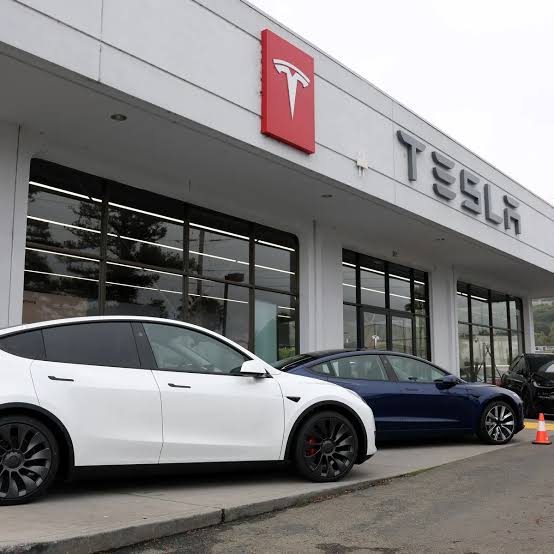
HANOI/WASHINGTON, November 2, 2026 — Tesla and Samsung have opposed the prospect of new US tariffs on Vietnam, arguing that new duties could raise costs and disrupt supply chains as Washington approaches a November 29 deadline for an intellectual-property investigation. Other businesses want the US government to impose penalties, leaving the administration facing competing demands from manufacturers that depend on Vietnam and industries that say Vietnamese practices disadvantage American producers.
The submissions, reviewed by Reuters, do not mean new tariffs have been approved. The US Trade Representative (USTR) is examining whether Vietnam’s protection and enforcement of intellectual-property rights warrants action under Section 301 of the Trade Act of 1974. The scope of any additional duty, the products it might cover and whether it would apply broadly or to selected sectors remain undecided.
Tesla urged the USTR to consider the supply needs of American manufacturers. In comments submitted in July, the electric-vehicle company said some advanced components and precision manufacturing equipment could not be sourced domestically despite investment in US production. Tariffs on those inputs could increase costs for companies that are trying to expand manufacturing capacity at home.
Samsung’s US unit made a similar argument, pointing to Vietnam’s role in producing smartphones and network equipment sold in the American market. Reuters reported that Samsung, South Korea’s largest company by market value, has invested about $25 billion in Vietnam. Additional duties could affect products made there as well as components and equipment moving through the company’s regional supply chain.
Retail and trade associations representing footwear, apparel and consumer-goods manufacturers also urged Washington not to impose new tariffs. Their members use Vietnamese factories to make products sold in the United States, so the cost of a duty could be divided among importers, suppliers, retailers and consumers. How much reaches the final price would depend on the tariff’s design, contract terms, competition and whether companies could shift production to another country.
Also read: Samsung Reports Record Q3 Profit as AI Chip Demand Grows
Not all US businesses share that view. Industry groups representing steel, seafood, plywood, solar panels and wood products accused Vietnam of unfair practices and urged the government to impose penalties. Their position reflects a different commercial calculation: producers competing with imports may see tariffs as protection against what they regard as subsidised, unfairly priced or otherwise distorted competition.
Software, film and music industry groups have pressed the US government to secure stronger anti-piracy enforcement and better market access for legitimate products and services. Reuters reported that the Business Software Alliance, whose members include Microsoft, Oracle and IBM, cited a 2017 survey estimating that about three-quarters of software installed on personal computers in Vietnam was unlicensed. That figure is an industry-cited estimate from an older survey, not a measurement of current software use, and it should be treated as such.
The competing submissions show why the investigation is politically and economically difficult. A tariff might provide leverage in negotiations over intellectual-property enforcement, but it could also raise input costs for US companies, affect retailers and manufacturers that rely on Vietnamese production, and prompt changes in trade flows. The effects would vary significantly by product and by how the administration structured any remedy.
The USTR opened its Section 301 investigation on May 29, 2026, after naming Vietnam a “priority foreign country” in its 2026 Special 301 Report on April 30. The agency said it would examine whether Vietnam’s continuing shortcomings in intellectual-property protection and enforcement were unreasonable or discriminatory and whether they burdened or restricted US commerce.
Section 301 is a US trade-law mechanism used to investigate foreign government acts, policies or practices that Washington believes harm American commerce. The start of an investigation is not itself a finding that the allegations have been proven, nor does it automatically impose a tariff. The USTR must complete its review and determine what response, if any, is warranted, in consultation with the president as required by the process.
The November 29 deadline reported by Reuters is therefore an important procedural milestone, not a date on which a particular tariff is guaranteed to begin. The investigation could lead to further negotiations, a finding and proposed action, or another outcome. The available material does not specify a final tariff rate or a definitive list of products that would be affected.
A separate US investigation into alleged excess manufacturing capacity is also underway. It should not be conflated with the intellectual-property case: the inquiries concern different grounds for possible trade action, even though a company exporting from Vietnam could be affected by more than one policy decision.
Also read: India-US Trade Pact First Phase in Legal Drafting, Goyal Says
Vietnam has become a major manufacturing base for goods sold to American consumers, including electronics, footwear, clothing and household products. Reuters reported that Vietnamese exports to the United States rose 42% in the first eight months of 2026 compared with the same period in 2025, giving Vietnam the largest US goods-trade surplus among trading partners at that point, ahead of China and Mexico.
That growth has made the country commercially important to both US buyers and companies looking to diversify production across Asia. A broad tariff could alter sourcing decisions, but shifting a factory is not immediate. Companies may need to qualify new suppliers, transfer equipment, retrain workers, obtain regulatory approvals and rebuild logistics arrangements. Some specialised components are difficult to replace quickly, which is part of the argument made by Tesla and Samsung.
The effect of US tariffs on Vietnam for American consumers would depend on which products were covered and whether importers absorbed the additional cost or passed some of it on. For American producers, the calculation is mixed: tariffs could protect a domestic industry from certain imports while raising the price of components used by other US manufacturers. Businesses that sell into several markets may also reconsider where they assemble products and how they document origin.
The current general US tariff on Vietnamese goods is 12.5%, according to Reuters, following a separate investigation related to alleged failures to prevent imports made with forced labour. Earlier 20% duties imposed under a different tariff measure were struck down by the US Supreme Court, Reuters reported. Any new US tariffs on Vietnam linked to intellectual-property enforcement would need to be assessed against the legal basis, product coverage and effective date set out in the eventual government action.
The immediate next step is the conclusion of the USTR’s review and any public announcement of its findings or proposed response. The agency may consider the comments from businesses alongside the investigation record and consultations with Vietnam. If Washington proposes tariffs, the scope and rationale will determine whether the measures target particular products or have wider consequences for trade.
Vietnam has urged the United States to conduct its investigations objectively. The dispute is also about the credibility of intellectual-property enforcement, market access and the cost of cross-border production. Those issues may be addressed through regulatory changes or negotiations as well as through tariffs; the existence of the investigation does not establish which route the administration will choose.
Businesses with US-Vietnam exposure should distinguish between existing duties, an ongoing investigation and any future measure that has actually been adopted. Until official notices set out the terms, companies cannot reliably calculate the final tariff burden from the investigation headline alone. Importers will need to monitor the USTR, customs guidance and any subsequent legal notices for the product-specific rules that govern their shipments.
Also read: US Pharma Tariffs Take Effect; India Generics Spared



Comments (0)
Be the first to comment. Comments are published after moderation.