


NEW DELHI, November 4, 2026 — The Union Cabinet has approved a ₹2,814-crore capital-support scheme to encourage domestic processing of lithium and nickel, an effort aimed at building more of the supply chain that feeds electric vehicles, battery storage, electronics, defence and specialised manufacturing.
The five-year programme, running from the 2026-27 financial year to 2030-31, will support four processing plants: two for lithium, each with a minimum planned capacity of 30,000 tonnes, and two for nickel, each with a minimum capacity of 50,000 tonnes. The government will offer a capital subsidy of 30 per cent of eligible investment, subject to separate limits of ₹500 crore per lithium beneficiary and ₹900 crore per nickel beneficiary.
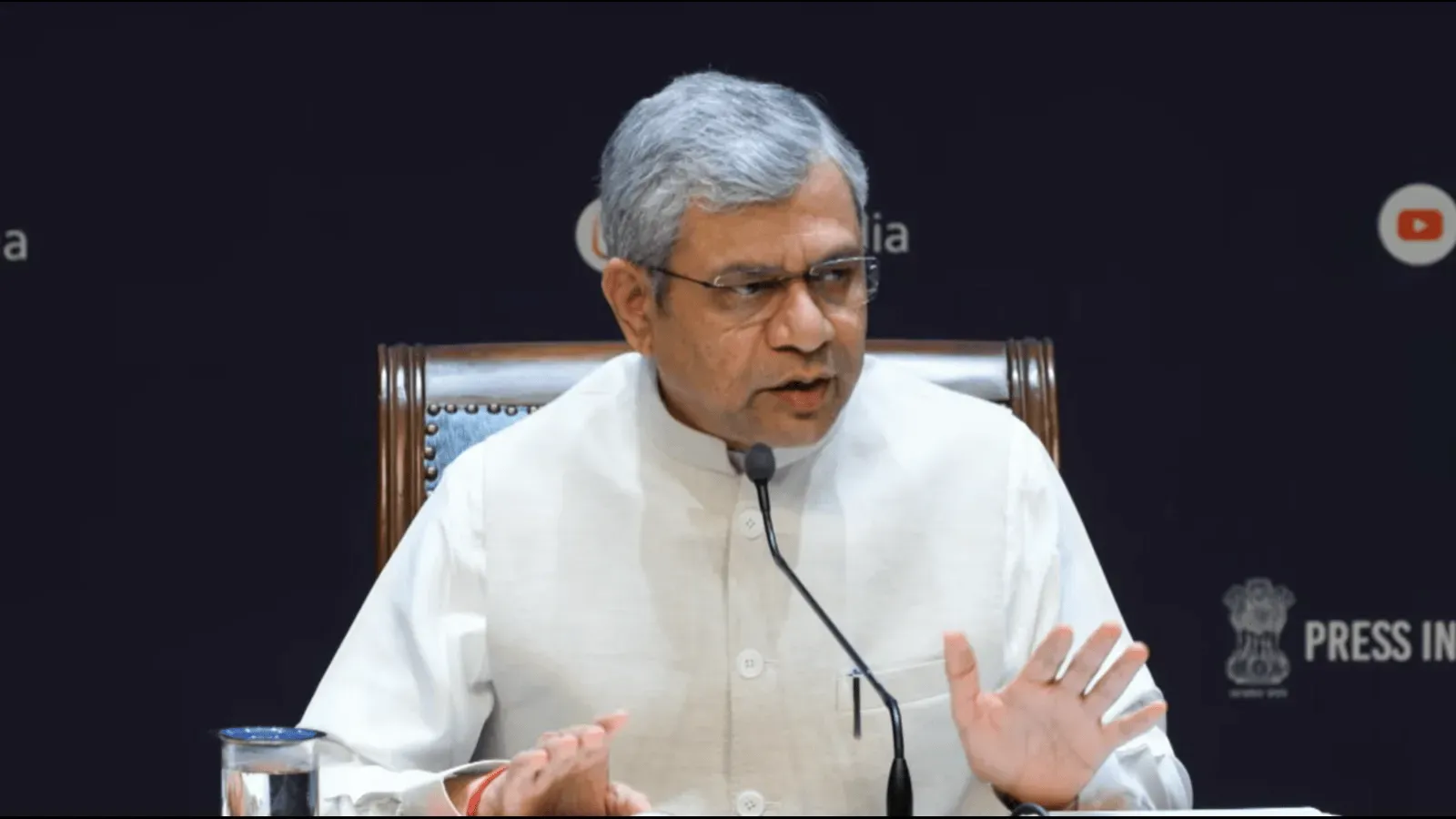
The Cabinet decision was announced by Information and Broadcasting Minister Ashwini Vaishnaw. The Prime Minister’s Office said the scheme is intended to create domestic capacity to turn lithium and nickel ores or intermediate products into high-purity compounds. Cobalt is expected to be recovered as a by-product of nickel processing, adding another material used in battery and industrial supply chains.
The approval is a targeted industrial-policy intervention. It does not mean that India has already secured new mineral deposits, built processing plants or removed its reliance on imports. The support is designed to help companies establish facilities, while actual output will depend on the selection of beneficiaries, access to raw materials, technology, project finance and the time needed to commission industrial operations.
The scheme’s structure sets out a defined number of facilities rather than an open-ended subsidy for every applicant. Two lithium plants and two nickel plants are envisaged, with minimum capacities specified for each. Companies will first be assessed for technical qualification. Only those that meet the technical requirements will be invited to compete in the financial-bidding stage.
For each mineral, two beneficiaries will be selected on a least-cost basis, with the government using the amount of capital support sought by bidders as the financial criterion. The subsidy will be released in three tranches linked to specified milestones. That design is intended to connect public assistance to project progress rather than provide the full amount before a facility is built and operational.
The maximum assistance is capped at ₹500 crore for each lithium beneficiary and ₹900 crore for each nickel beneficiary. Those limits matter because processing facilities differ in cost, scale and technological requirements. The final amount a project receives will depend on eligible investment, the bid and the milestones defined under the detailed scheme guidelines.
The Cabinet approval creates the financial framework, but the government has not yet published all the project-level details needed by potential bidders. Companies will need clarity on the definition of eligible investment, qualification standards, acceptable technologies, supply-chain traceability, reporting requirements and how the milestone payments will be verified.
Critical minerals are not valuable only because they can be mined. They must also be refined, separated and converted into materials that manufacturers can use. Processing capacity is concentrated in a limited number of global locations, leaving countries that import high-purity compounds exposed to trade restrictions, price swings, geopolitical tensions and disruptions at a small number of facilities.
The Prime Minister’s Office said India remains substantially dependent on imports for refined intermediates and high-purity materials, while domestic beneficiation and processing infrastructure is at an early stage. It cited high capital requirements, limited access to suitable technology and constraints in securing raw materials as barriers to commercial-scale projects. The new scheme is intended to address one part of that gap: the cost of building processing facilities.
Lithium is a key input for rechargeable batteries used in electric vehicles and stationary energy storage. Nickel is used in several battery chemistries and in stainless steel and other industrial applications. Cobalt is important in some battery formulations and has uses in high-performance industrial materials. The exact mineral mix varies by technology, and manufacturers continue to develop battery chemistries that reduce or avoid some materials. It would therefore be inaccurate to treat demand for each mineral as fixed or interchangeable.
For India, a stronger processing base could help domestic manufacturers obtain higher-value materials closer to their production sites. It may also create expertise in chemical processing, quality control and recovery of by-products. Those capabilities could support a wider ecosystem spanning batteries, energy storage, electronics and specialised alloys. But the impact will depend on whether the plants can operate at competitive costs and obtain consistent feedstock.
Processing plants require more than a subsidy. Developers need access to ores or intermediate materials, reliable utilities, water, transport, environmental approvals and skilled workers. The availability of raw material is especially important. A plant can have the right equipment and still struggle if the quantity, quality or price of feedstock is uncertain. The government has not yet provided a full public schedule of where the raw materials for the four proposed plants will come from.
Technology is another constraint. Producing high-purity lithium and nickel compounds involves complex chemical and metallurgical processes. The required route can vary with the type of ore or intermediate product, and the economics depend on recovery rates, energy use, waste management and product specifications. A project that receives capital support will still need to demonstrate that it can produce material to standards required by battery and industrial customers.
Environmental safeguards will also matter. Mineral processing can generate waste streams and require significant water and energy. If India wants to reduce import dependence without shifting environmental costs to local communities, facilities will need transparent monitoring, safe tailings and residue management, responsible water use and credible compliance systems. The subsidy framework should be accompanied by clear standards and effective enforcement.
The scheme’s focus on lithium and nickel, with cobalt as a by-product, aligns it with several manufacturing priorities. Electric mobility depends on a secure battery supply chain; grid-scale storage can support the integration of renewable electricity; electronics and defence manufacturing require reliable access to specialised materials. Yet each sector has different specifications and procurement cycles, so the processing plants will need long-term customer relationships rather than relying on policy support alone.
The scheme does not by itself address the full range of supply-chain vulnerabilities. India will still need access to mineral resources, partnerships with producing countries, recycling capacity and efficient logistics. Domestic processing may reduce exposure to imports of refined materials, but it cannot remove the need to import raw ores or intermediates if local mining and recycling do not provide enough feedstock.
Recycling could become an important source of material as electric-vehicle batteries and electronics reach the end of their useful lives. However, recovery volumes depend on the age of the installed battery fleet, collection systems, product design and the economics of recycling. New processing plants and recycling facilities are complementary parts of a longer industrial strategy, not substitutes for one another.
There is also a risk that a subsidy attracts investment before demand and supply arrangements are sufficiently developed. If several projects compete for scarce feedstock or customers, facilities may operate below capacity. Competitive selection, milestone-based support and transparent disclosure can help reduce that risk, but they cannot replace commercial due diligence.
The next steps will be the release of detailed guidelines, invitations for applications, technical qualification and financial bids. The number of credible applicants, the capital support requested and the proposed sourcing arrangements will show whether companies are prepared to move from announced capacity to investable projects.
The Cabinet has committed public support to a specific processing target. The test will be whether the programme produces commercially viable facilities that deliver high-purity materials at the quality and scale required by Indian manufacturers. If that happens, the scheme could add an important link in the country’s critical-mineral value chain. Until the plants are selected, built and operating, the announcement remains a policy commitment rather than new production capacity.



Comments (0)
Be the first to comment. Comments are published after moderation.