


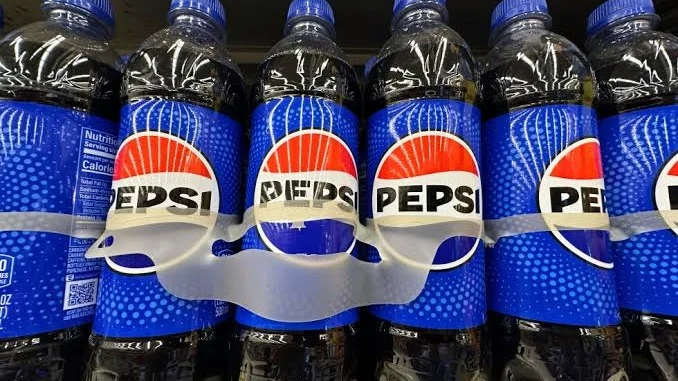
NEW DELHI, November 4, 2026: India’s food regulator has told the Delhi High Court that PepsiCo and Monster Beverage misled consumers by marketing caffeinated products under the description “energy drink”, renewing a dispute over how one of the country’s fastest-growing beverage categories should be labelled.
The Food Safety and Standards Authority of India (FSSAI) made the argument in a court filing dated October 28, according to Reuters. The companies have challenged a regulatory direction issued on June 30 that required affected products to stop using the “energy drink” descriptor. FSSAI’s latest submission says the term does not correspond to a separately recognised food category under the applicable standards and can give consumers a misleading impression of what the products contain or do.
The filing brings the dispute back into focus ahead of a further hearing expected later this week. The Delhi High Court had granted interim relief in October, staying the June 30 direction while it considers the companies’ challenges. That temporary protection is not a final ruling on the regulator’s authority or on the merits of the labelling dispute.
Also read: FSSAI Initiates Prosecution Against Three Food Firms
FSSAI’s position is that the products in question fall within the regulatory framework for caffeinated beverages and should be described accordingly. The authority has argued that using “energy drink” as a label can suggest a distinct product category or a particular benefit that the rules do not recognise. Its filing also refers to concerns about the caffeine, sugar and other ingredients in products sold under the description.
The regulator’s argument is about classification and consumer information. It should not be read as a finding that every product sold by the companies is unsafe, nor does the filing amount to a blanket recall. A dispute over whether a label is permitted is different from a laboratory finding that a particular batch has failed a safety standard.
PepsiCo and Monster have challenged the June 30 direction, raising questions about the process followed before the regulator issued it. Their case includes an argument that they were not given an adequate show-cause notice or opportunity to respond before the direction was made. Those are the companies’ submissions, not findings already accepted by the court.
The October 6 interim order in the Delhi High Court proceedings gave the companies temporary relief while the case continued. The court’s intervention means the June direction cannot be treated as a final resolution of the dispute. The next hearing will consider the regulator’s response and the legal basis for the action, including whether the affected companies received the procedural safeguards they say were missing.
Also read: Delhi HC Sets Aside FSSAI Order Against Red Bull Energy Drink Label
FSSAI has also told the court that at a meeting on July 20, manufacturers had agreed to discontinue the disputed wording in future production. The regulator’s account of that meeting is part of its case. The companies’ legal challenge means the court still has to assess the record and the arguments from both sides.
The distinction between an interim order and a final judgment matters for retailers and consumers. A temporary stay does not settle the regulatory question, while the filing by FSSAI does not itself establish that the companies have violated the law. The court must decide whether the June direction was legally sustainable and whether the regulator followed the required process.
The dispute reaches beyond two companies because several brands sell caffeinated beverages in India. The regulator’s position could affect packaging, advertising, product descriptions and distribution practices across the category. A change in the permitted description may require manufacturers to alter labels and marketing material, while retailers may need to update product listings and shelf information.
Reuters cited market estimates indicating that India’s energy-drink sales have been expanding rapidly. That growth helps explain why the wording on a can matters commercially. A familiar category label can shape how consumers understand a product and how brands distinguish it from soft drinks, sports drinks or other caffeinated beverages.
For regulators, the central issue is whether the description gives consumers an accurate account of the product under Indian food standards. A category name can influence expectations about ingredients, intended use and possible effects. If the law treats a product as a caffeinated beverage, the regulator argues that a different label should not create the impression of a separate, specially recognised category.
For manufacturers, the concern is predictability. Companies need to know which product descriptions are permitted, how existing approvals are treated and what process will apply when the regulator changes its interpretation. A rule that is enforced without adequate notice can create uncertainty for packaging already printed, products in distribution and investment decisions. The court case is therefore also about the process through which food-safety requirements are communicated and applied.
The case is not the first legal challenge to the same regulatory position. Red Bull has pursued a separate challenge over the use of the “energy drink” description. That dispute has also raised questions about the June 30 direction and the opportunity given to companies to respond. The separate proceedings show that the issue is broader than one manufacturer or one product line.
There is a public-health dimension, but it needs careful treatment. High-caffeine beverages have been the subject of scrutiny in several countries, particularly in relation to children and adolescents. That does not establish that every product in the Indian market is harmful or that the present court filing proves a medical risk. The legal issue before the Delhi High Court is the regulator’s power and process in prescribing how the products should be described.
Consumers should not interpret the litigation as a warning to discard all caffeinated drinks. The case concerns the wording used on labels and the regulatory category applied to the products. Any separate safety notice, recall or product-specific restriction would need to be assessed on its own terms and against the relevant batch or product information.
The companies’ responses to the latest filing were not available in the Reuters report. The court has not issued a final decision on whether the June 30 direction should stand. The hearing later this week is expected to clarify the competing arguments, but the outcome may still require further proceedings.
For the beverage industry, the immediate questions are whether the regulator can defend the procedure it followed, whether the court will maintain interim protection and what description companies may use while the dispute is unresolved. A final decision could influence product labels across the market, but it should not be assumed before the court has ruled.


Comments (0)
Be the first to comment. Comments are published after moderation.