


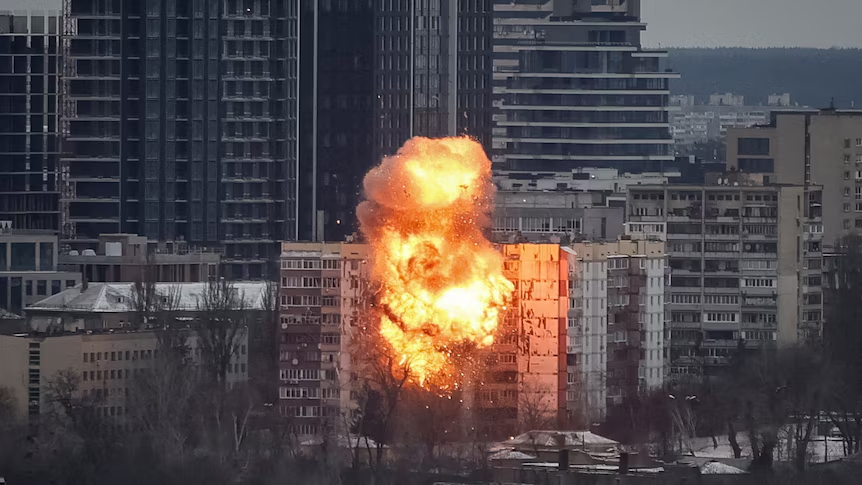
KYIV, November 7, 2026 — Russian missile and drone attacks struck Kyiv and surrounding regions overnight, damaging energy facilities and the Northern Bridge over the Dnipro River and leaving the capital facing renewed disruption to electricity, heating and water supplies. Ukrainian officials said one person was killed and eight others, including a child, were wounded. The strikes came days before a new round of US-backed talks involving Ukraine and Russia is due to take place in Abu Dhabi on Tuesday.
Kyiv Mayor Vitali Klitschko described the situation with the city’s power supply as extremely difficult, with temperatures close to freezing on Saturday morning. The damage to energy infrastructure affected systems linked to heating and water as well as electricity, raising concerns about the impact on residents if repairs are delayed or further strikes hit the network. Governor Tymur Tkachenko said energy facilities in at least three districts of the Kyiv region had been struck. Infrastructure in the central Zhytomyr region was also damaged.
Reuters, citing Ukrainian officials, reported one death and eight wounded in the overnight attack, including a child. The Associated Press’ earlier dispatch reported at least five people injured, as well as damage to homes, commercial properties and energy facilities. The casualty figures reflect reporting at different points in the aftermath of the strikes; the later figures cited by Reuters were the most detailed official count available in the reporting reviewed for this update.
The Northern Bridge, which crosses the Dnipro River, was damaged and traffic was closed, according to Ukrainian officials. The bridge is one of the routes connecting areas on either side of the river in a city of more than three million people. Its closure adds to transport disruption at a time when energy infrastructure and residential services are already under pressure. The extent of structural damage and the duration of the closure were not fully established in the initial reports.
Russia’s Defence Ministry said its forces had carried out a large strike against what it described as targets in Ukraine’s military-industrial sector and energy and transport infrastructure around Kyiv. Moscow has presented the campaign as an attack on facilities supporting Ukraine’s war effort. Ukrainian officials, meanwhile, reported damage to energy sites, homes and other buildings. The claims about the intended targets and the extent of military use at individual sites have not been independently verified in the reporting available so far.
Energy and transport systems under renewed pressure
The latest attack highlights the vulnerability of electricity and heating networks as winter approaches. Damage to a power facility can have effects well beyond the immediate site because electricity supports water pumping, district heating, communications, hospitals, public transport and ordinary household services. When the supply becomes unstable, local authorities may have to prioritise critical infrastructure and organise temporary arrangements while repair teams assess damaged equipment.
Klitschko’s warning about heating and water is particularly important because Kyiv was experiencing near-freezing temperatures. Even if power can be restored to some districts quickly, the recovery of heating and water services may depend on the condition of associated equipment and distribution networks. The mayor’s statement described a difficult situation rather than a citywide declaration that all services had stopped. The extent of outages can vary by district and change as repair crews isolate damaged sections or reconnect supplies.
Energy facilities in at least three districts of the Kyiv region were reported hit, while damage was also recorded in Zhytomyr region. Those reports point to a wider regional strike rather than a single incident within the capital. The exact number and type of facilities affected, the capacity lost and the expected repair time were not fully described in the initial official accounts. It would therefore be premature to quantify the damage to Ukraine’s electricity supply from the available information.
The damage to the Northern Bridge is a separate transport issue. A bridge closure can redirect commuter traffic and emergency vehicles to other crossings, increasing pressure on the remaining routes. Kyiv has experienced earlier attacks on bridges and transport links, and traffic disruption can complicate the movement of repair crews and supplies. Officials will need to determine whether the bridge can reopen after inspection or whether structural repairs are required. The initial reports confirm damage and a closure, but do not establish the timetable for restoration.
Russia’s Defence Ministry said the operation targeted military-industrial, energy and transport infrastructure. That statement is an account of Moscow’s stated aim, not independent confirmation that every damaged facility was a military target. Ukrainian authorities described damage to energy infrastructure and other buildings. Independent verification of the condition and function of specific sites remains limited while the security situation is active.
The immediate humanitarian concern is the effect on civilians who depend on stable heating, electricity and water. Households may need temporary shelter or assistance if outages continue, while hospitals, care facilities and emergency services require reliable power. Local authorities often have to prioritise critical users, but the distribution of services and the number of residents affected were not yet clear in the latest reports. Any estimate of people without heating or water should wait for a city or utility update.
The attack comes as Ukraine, Russia and the United States prepare for a new meeting in Abu Dhabi on November 10. The Associated Press reported that negotiators from the three countries are expected to meet on Tuesday for another round of talks aimed at advancing efforts to end the war. It would be the fourth round brokered by the Trump administration, following an earlier meeting in Geneva in February.
The diplomatic process has yet to resolve the central disagreements over territory and security arrangements. Western governments backing the initiative are seeking a formula that can move negotiations beyond the current impasse, but the outstanding questions are substantial. Kyiv has resisted proposals that would compromise its sovereignty or leave its territory vulnerable to another attack. Moscow has continued to pursue demands relating to territory and Ukraine’s future security alignment. The precise agenda and composition of the Abu Dhabi delegations had not been fully detailed in the reports reviewed.
The latest strike may deepen the political and security challenges facing negotiators. Ukrainian officials will be seeking guarantees that any agreement can prevent renewed attacks on cities and essential infrastructure. Russia’s stated focus on energy and transport facilities reinforces the significance of infrastructure protection in any security framework. Yet an attack in the days before talks does not, by itself, prove that diplomacy has been abandoned or that either side has changed its negotiating position.
Any assessment of the talks will need to distinguish between a meeting being scheduled, a proposal being discussed and an agreement actually reached. Previous rounds have produced limited progress, according to the reporting by Reuters and AP. The Tuesday meeting is therefore an opportunity for renewed discussion rather than evidence that a ceasefire or settlement is imminent. The negotiating parties would still need to address territory, security guarantees, enforcement and the sequence in which any commitments would be implemented.
The United States has been trying to broker a framework that could bring the war closer to an end. The challenge is that the two sides continue to disagree on the terms of a durable settlement. Ukraine wants a credible arrangement that protects its sovereignty and reduces the risk of another invasion. Russia has made demands that Kyiv and its European partners view as unacceptable. A formula that does not address the security of Ukraine and the status of occupied territory is unlikely to resolve the conflict’s central causes.
For residents of Kyiv, diplomacy is measured against immediate needs: whether the lights stay on, heating systems work and public transport remains available. A meeting in Abu Dhabi does not repair damaged infrastructure, and the repair process does not determine the outcome of negotiations. Both tracks will matter in the days ahead. City authorities and utilities must restore services while national leaders and diplomats consider whether the next round of talks can produce a tangible reduction in violence.
Saturday’s recovery work in the Zaporizhzhia region concerns a separate Russian attack earlier in the week and should not be confused with the overnight strikes on Kyiv. The Associated Press reported that rescue workers in the southern village of Komyshuvakha recovered two additional bodies on Saturday after Russian guided bombs hit a former school being used as an aid distribution centre on Monday. The attack had killed 55 people, and dozens remained missing in the latest account.
The site had been used to distribute humanitarian assistance to residents near the front line. The recovery of two more bodies adds to the toll from that earlier attack but is not part of the casualty count from Saturday’s Kyiv strike. The distinction is important because several incidents have occurred in different regions over a short period, and combining their figures would create a misleading account of the overnight attack.
The attack on the aid centre illustrates the continued danger to civilians and humanitarian operations in areas close to active fighting. The village is in the Zaporizhzhia region, near the front line. The AP report said the former school and nearby shelter had been struck while residents were waiting for humanitarian aid. The number of people still missing means the final death toll from that incident may change as recovery teams continue their work.
For the coming days, the key indicators will be the restoration of electricity, heating and water in Kyiv; the inspection and reopening of the Northern Bridge; updated casualty and damage figures from local authorities; and any formal statements about the Abu Dhabi talks. The diplomatic meeting will be judged not by the fact that it takes place, but by whether it produces verifiable steps to reduce attacks and address the security issues that have kept the war going.
The overnight strikes underline how infrastructure remains central to the conflict. Damage to power and transport systems affects daily life as well as Ukraine’s ability to sustain its economy and public services. Russia says it targeted military-industrial and related infrastructure; Ukrainian officials say energy sites and civilian buildings were damaged. Independent verification of each site remains incomplete. The confirmed facts are that Kyiv’s energy facilities and a major bridge were damaged, local authorities reported one death and eight injuries, and the city faced serious disruption to essential services as another round of US-backed talks approached.




Comments (0)
Be the first to comment. Comments are published after moderation.