


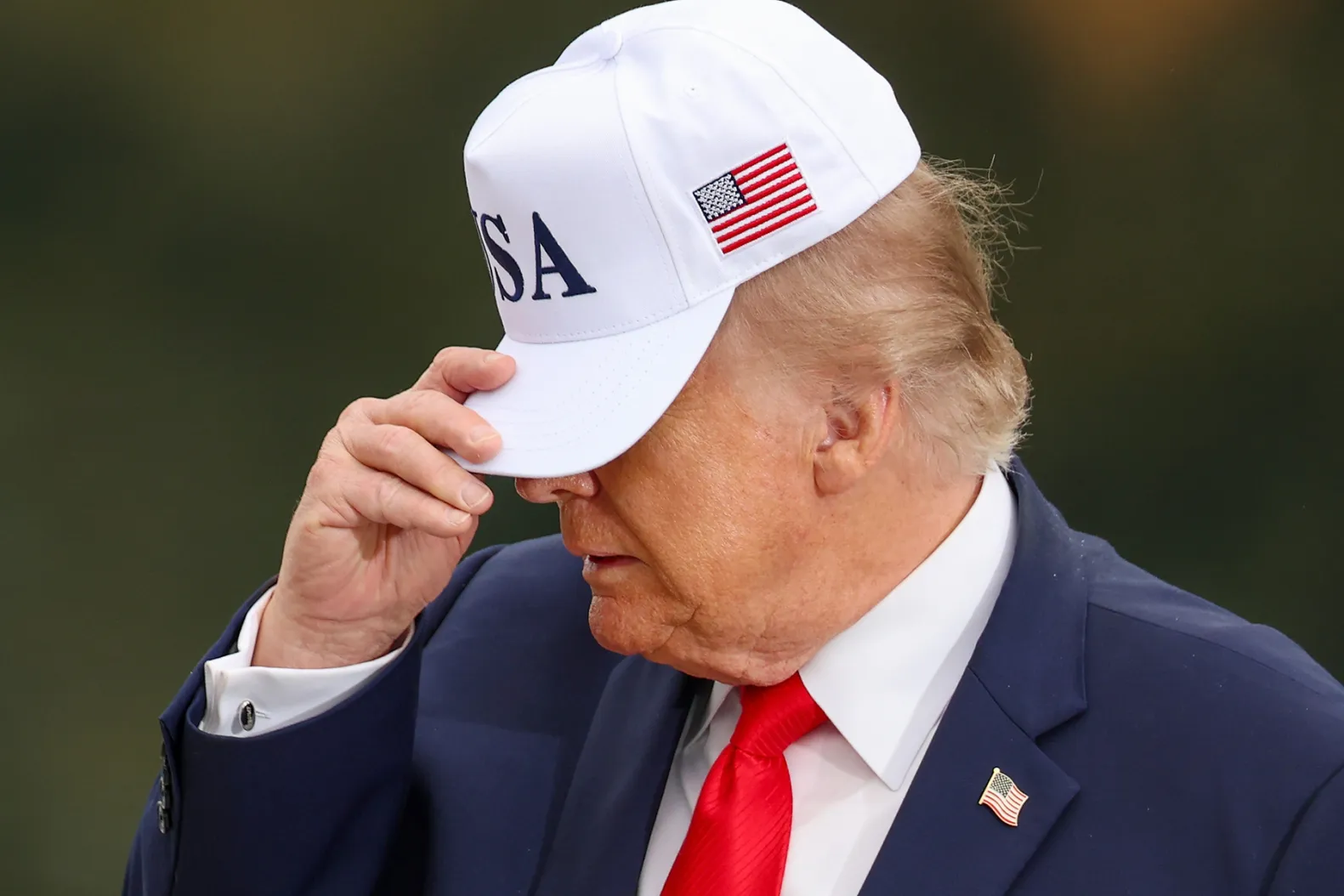
Washington, November 5: Democrats preparing to take control of both chambers of the US Congress have begun setting out an aggressive oversight agenda for President Donald Trump’s administration, with proposed investigations spanning the president’s family business interests, immigration enforcement, the handling of Jeffrey Epstein-related records and government contracts. The plans follow the party’s sweeping midterm victories and signal that congressional scrutiny will become a central feature of the final two years of Trump’s presidency.
Senior Democrats say they intend to use the subpoena powers and investigative resources that come with control of House and Senate committees to examine what they describe as conflicts of interest and self-enrichment involving Trump and people close to him. The White House and the president have denied wrongdoing and have warned that Democratic investigations could become politically motivated. The proposed inquiries have not yet begun as formal committee investigations, and any allegations they examine would need to be established through evidence.
House Democratic leader Hakeem Jeffries, who is positioned to become speaker when the new Congress convenes in January, has placed oversight planning among the party’s priorities. Representative Robert Garcia, the senior Democrat on the House Oversight and Government Reform Committee, and Representative Jamie Raskin, the senior Democrat on the Judiciary Committee, have been assigned leading roles in shaping the effort.
Garcia signalled the party’s intentions in a social media post as election results were coming in, writing “Lawyer up”. In the Senate, Democratic leader Chuck Schumer has also promised scrutiny, while lawmakers expected to chair influential committees have identified potential areas for investigation. The plans are being discussed before the new Congress is sworn in, so committee leadership, formal mandates and the scope of individual inquiries remain subject to the transition.
Among the areas House Democrats have identified are Trump family business dealings and the administration’s handling of the Jeffrey Epstein investigation. The Oversight Committee is expected to examine how the president and members of his family have expanded their business interests since he returned to office, while Judiciary Democrats are likely to focus on executive conduct and the Justice Department’s handling of sensitive records.
Democrats have also pointed to Immigration and Customs Enforcement operations as a likely subject of hearings and document requests. The proposed scrutiny could examine the conduct of enforcement operations, agency decision-making and the administration’s use of federal resources. The precise questions and witnesses have not been finalised, and the existence of a proposed inquiry does not itself establish misconduct by an agency or official.
Representative Jared Huffman, the senior Democrat on the House Natural Resources Committee, has identified the White House ballroom project and the Trump family’s involvement in mineral-related deals as additional subjects he wants examined. Those areas could bring together questions about private business, government decision-making, public spending and the relationship between donors, contractors and federal agencies.
Senate Democrats are preparing a parallel agenda. Senator Richard Blumenthal, who is expected to lead the Homeland Security Committee’s Permanent Subcommittee on Investigations, has discussed scrutiny of Trump-linked real estate projects and cryptocurrency dealings involving special envoy Steve Witkoff. Senator Ron Wyden, who is expected to lead the Finance Committee, has identified possible inquiries into banks’ handling of financial relationships connected to Epstein and pharmaceutical companies’ dealings with the administration.
The proposed list is broad, but it does not mean every topic will become a formal investigation. Congressional committees have limited staff and time, and lawmakers will need to decide which matters have a clear evidentiary basis, fall within their jurisdiction and can produce information relevant to public accountability.
The White House has rejected claims of wrongdoing and has characterised the prospect of investigations as an attempt to pursue political opponents. Trump has dismissed the prospect of another impeachment effort, while administration allies have warned that Democrats could misuse their committee powers. The president’s position is that his administration and business activities have not involved the misconduct alleged by political opponents.
Democratic lawmakers have also acknowledged that investigations must be handled carefully. Senator Peter Welch has cautioned against turning oversight into a campaign of retaliation, arguing that the party must demonstrate that inquiries are judicious and connected to matters of public concern. That tension will shape the party’s choices as it seeks to balance scrutiny of the administration with promises to address living costs and other domestic priorities.
The political backdrop is the midterm election result, in which Democrats won control of both the House and Senate. The victory gives the party the ability to set committee agendas, issue subpoenas through authorised panels, call hearings and demand documents. In the Senate, the majority can also influence confirmations of executive and judicial nominees. The shift will not give Democrats unchecked power: Trump retains the presidency and the veto, and executive agencies can contest congressional demands in court.
The party’s leadership has linked the oversight agenda to voters’ concerns about corruption and affordability. An Associated Press analysis of voter polling found that corruption was a major consideration for many voters in the election. Democrats argue that alleged conflicts of interest and decisions that benefit politically connected businesses can impose costs on taxpayers and consumers. Republicans counter that the proposed inquiries risk distracting Congress from economic and national priorities.
That argument will be tested in the coming months. Democrats will need to show how any alleged misconduct affected public decisions, federal spending or the rights of citizens. Hearings that rely only on political rhetoric could weaken the credibility of the new majority; inquiries grounded in records, testimony and clear legal questions could have a more lasting impact.
Taking control of Congress gives Democrats important investigative tools, but it does not guarantee that the administration or private companies will comply immediately with every request. The White House can assert executive privilege in some circumstances, agencies can dispute the scope of demands and private parties can challenge subpoenas. Legal fights over documents and testimony can delay investigations and narrow what committees are able to obtain.
Congressional committees will also have to distinguish between oversight and law enforcement. They can investigate the administration’s conduct and make findings, but they do not determine criminal guilt. If evidence points to possible criminal conduct, lawmakers can refer information to the relevant authorities; prosecution and adjudication remain separate processes.
The transition period before January will be important. Incoming committee leaders are expected to refine priorities, identify witnesses and decide which records should be requested first. Some investigations may begin with letters and document requests, while others could move towards public hearings after committees have reviewed material and established a factual basis.
For Trump, the change means that the remainder of his term will be conducted under a Congress controlled by the opposition. That could complicate legislation, funding negotiations and confirmation votes, while increasing the likelihood of public hearings focused on the administration. For Democrats, the challenge is to use the new authority without allowing investigations to overwhelm the legislative programme they promised voters.
The first formal steps will show whether the party prioritises a narrow set of inquiries with clear evidence or pursues a wider series of investigations across multiple committees. The choices will matter not only for the president and his allies but also for the institutions responsible for checking executive power. For now, Democrats have outlined their intended direction; the scope, evidence and outcomes of the investigations remain to be determined.






Comments (0)
Be the first to comment. Comments are published after moderation.