



GANDHINAGAR, November 4, 2026: Gujarat’s health department has identified 38 people suspected of practising medicine without recognised qualifications or valid registration during a 15-day statewide enforcement drive. Police have registered first information reports against 35 of them, the state government said on Tuesday, as health officials and police teams continued checks across districts.
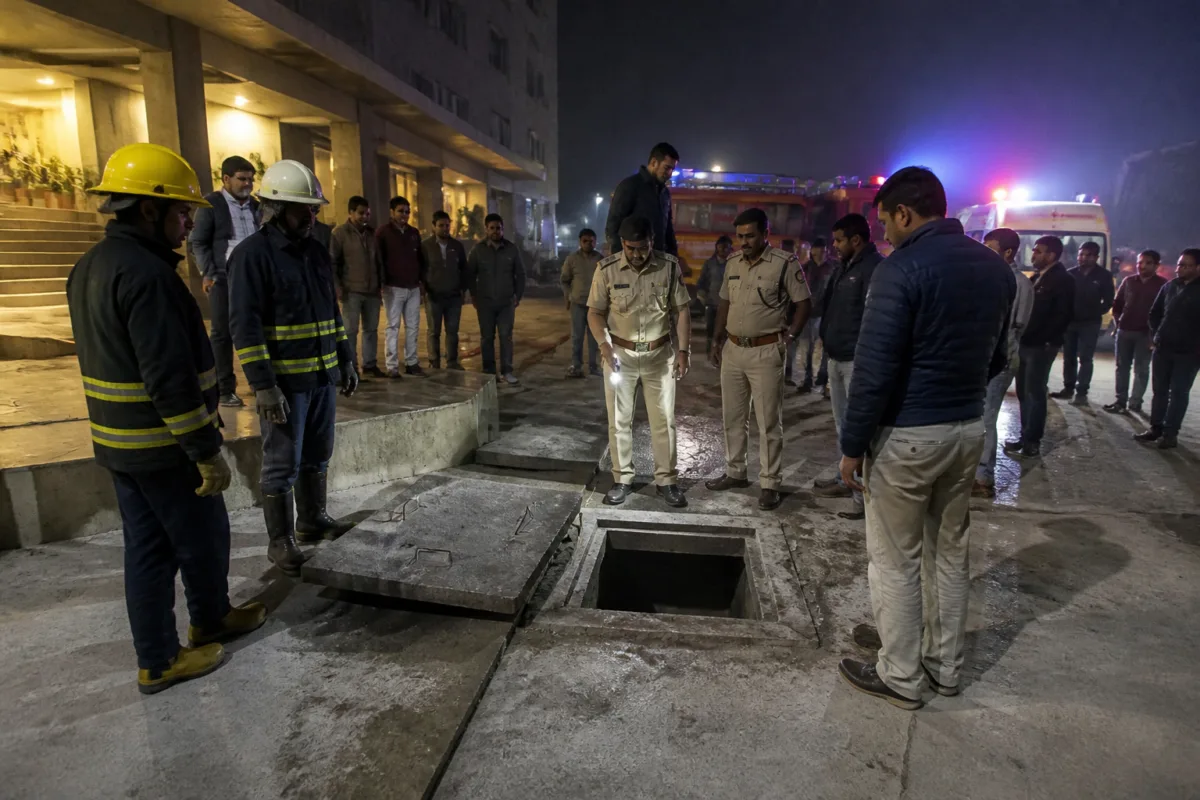
The operation involved 298 teams drawn from the health department and police, including local police units, Crime Branch personnel and Special Operations Groups. Health Minister Praful Pansheriya said the teams carried out inspections over 15 consecutive days in several parts of the state. The government’s figures indicate that the drive was not confined to one city or a single category of clinic, but was organised as a coordinated exercise across district administrations.
Rajkot accounted for the largest number of suspected practitioners, with 17 identified. Surat followed with nine, while Gir Somnath accounted for three and Surendranagar for two. The remaining cases were reported from other districts. The department has not publicly provided a district-by-district list of all 38 cases in the information reviewed for this report.
The distinction between people identified during an enforcement operation and those ultimately found guilty is important. The 38 individuals are suspected of practising without the required qualifications or registration; the filing of an FIR against 35 of them starts or records a criminal investigation, but does not by itself establish guilt. The allegations will have to be tested through the relevant legal process, and the status of each case may differ as investigators examine documents, statements and the nature of the medical services allegedly provided.
How the statewide checks were conducted
The health department said its teams worked with local police, Crime Branch units and special operations personnel. District-level committees have also been constituted to identify suspected unauthorised practitioners and coordinate further action. The committees include taluka and municipal health officers, police representatives, health supervisors and local revenue officials. The government said local information and field intelligence were used to identify clinics and individuals for inspection.
Officials reported that some people suspected of practising without recognised qualifications had shut their clinics or dispensaries before enforcement teams reached them. The health department and police have continued searches and surveillance to locate those individuals and establish whether they resumed practice elsewhere. The minister said the campaign would continue beyond the immediate festive period, rather than end with the initial 15-day exercise.
The department has asked residents, non-governmental organisations and community representatives to alert the nearest primary health centre, community health centre, police station or Special Operations Group when they suspect that someone is providing medical treatment without the necessary credentials. That appeal places some responsibility on local communities, but it does not remove the need for the state to maintain accessible complaint channels and verify reports before taking action.
Unqualified medical practice is a public-health concern because patients often approach a clinic when they are in pain, frightened or unable to assess the credentials of the person treating them. A practitioner without appropriate training may miss warning signs, delay a referral, prescribe an unsuitable medicine or carry out a procedure beyond their competence. Infections, complications from injections or invasive procedures, and the misuse of antibiotics are among the risks that make professional registration and accountability important. These are general risks associated with unsafe practice; the state has not released evidence that any particular patient was harmed in the cases identified during this drive.
For patients, the difference between a legitimate clinic and an unauthorised one may not always be obvious from its signboard or the confidence of the person offering treatment. Qualifications, registration and the type of medicine a practitioner is permitted to practise are matters that can be checked through the relevant professional and state authorities. Patients should not be expected to conduct an investigation themselves, but clear display of credentials and reliable public registers can help them make informed decisions and report concerns.
Gujarat’s action also raises a wider question about how the state supervises smaller clinics and dispensaries outside major hospitals. A large coordinated drive can identify people whose activities would otherwise remain difficult to detect, particularly where clinics move, operate informally or close when inspectors arrive. Sustained enforcement, however, depends on more than a short campaign. District teams need a process for recording complaints, checking qualifications, documenting inspections, following up on closed premises and ensuring that cases are pursued consistently.
The government has not released a complete breakdown of the 35 FIRs, the specific allegations in each case, the professional systems or registration bodies involved, or the stage reached in the investigations. Nor has it published a list of the individuals or clinics named in the cases. Those details matter because the term “fake doctor” can cover different allegations, from false claims about a qualification to practising a form of medicine without the registration required for it. The legal and professional implications are not necessarily identical.
The next test will be whether the inspections lead to sustained oversight and clear outcomes. Authorities will need to establish the credentials of each person identified, determine whether patients received treatment outside the practitioner’s lawful scope, and present evidence in the cases where offences are alleged. Any prosecution will have to proceed on the evidence rather than on the headline figure alone.
The health department’s appeal for public information suggests the government expects further leads after the initial sweep. Residents who report a suspected clinic should provide the location and the nature of the concern to the appropriate authority, while avoiding the circulation of unverified accusations or personal details online. That approach can help investigators while reducing the risk of wrongly identifying a person before the facts are checked.
For now, the official tally is 38 suspected unauthorised practitioners identified and 35 FIRs registered after a 15-day operation involving 298 teams. The state says the campaign will continue. Whether it improves patient safety will depend on follow-up inspections, transparent case information and the ability of health regulators and police to distinguish proven violations from allegations still under investigation.
SOURCE
Gujarat Health Department; Times of India; NDTV.




Comments (0)
Be the first to comment. Comments are published after moderation.