


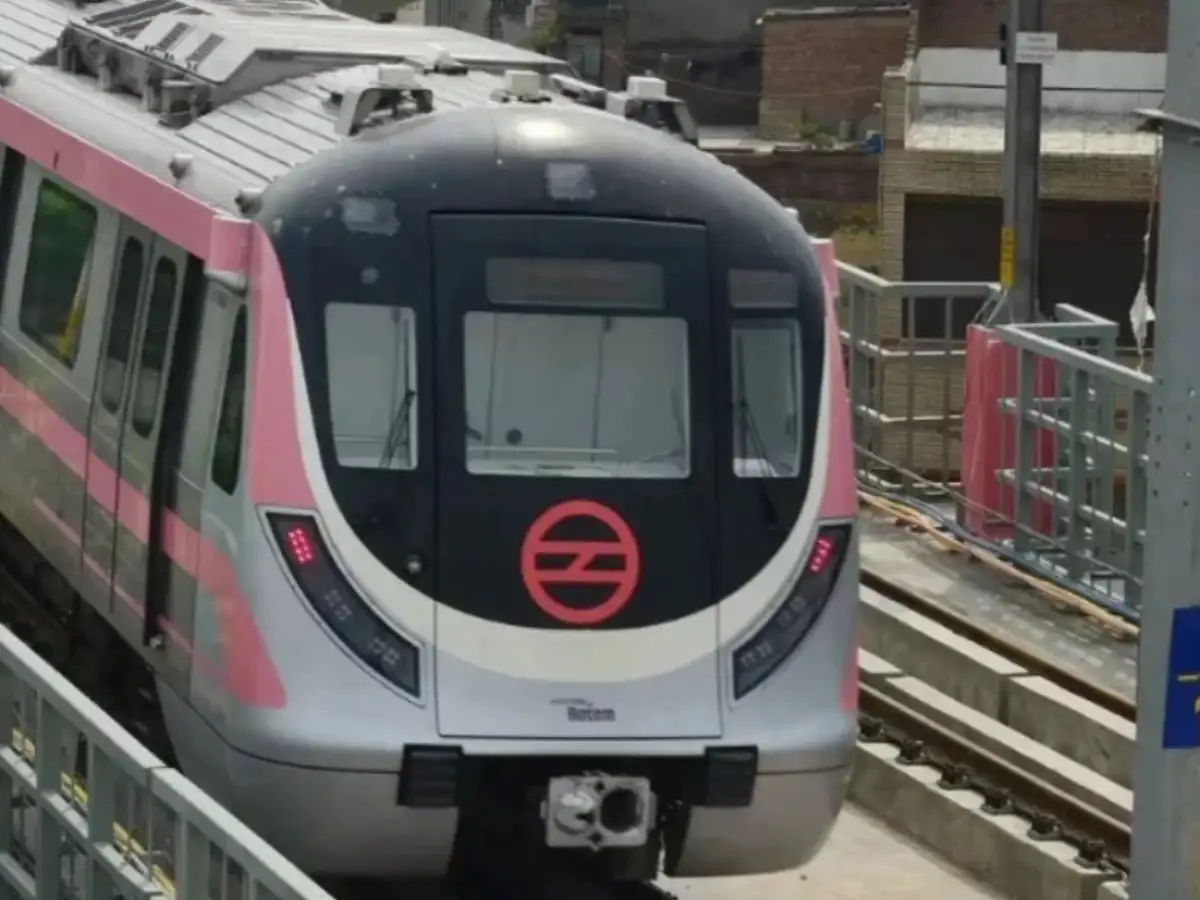
NEW DELHI, November 2, 2026 — The Delhi Metro Rail Corporation (DMRC) will operate 20 additional train trips on weekdays from Tuesday, November 3, taking the total number of extra trips across its network to 40. The announcement follows the Commission for Air Quality Management’s (CAQM) decision to invoke Stage II of the Graded Response Action Plan (GRAP) across the National Capital Region as Delhi’s air quality moved into the “very poor” category.
The Times of India reported at 9:12 pm on Monday that DMRC would add the services from Tuesday to encourage commuters to use public transport instead of private vehicles. The Economic Times also reported the increase, citing the corporation. DMRC had already introduced 20 additional weekday trips from October 22 after Stage I of GRAP came into force; the new announcement adds another 20. The reports reviewed did not specify which routes or time periods would receive the additional trips.
The latest service announcement is a transport response to a worsening pollution episode, not evidence that emissions have already fallen. The immediate test will be whether the additional capacity attracts more passengers who would otherwise travel by private vehicle.
Also read: Delhi AQI Enters Very Poor Category as Morning Reading Reaches 310
AQI reaches 324 as CAQM invokes Stage II.
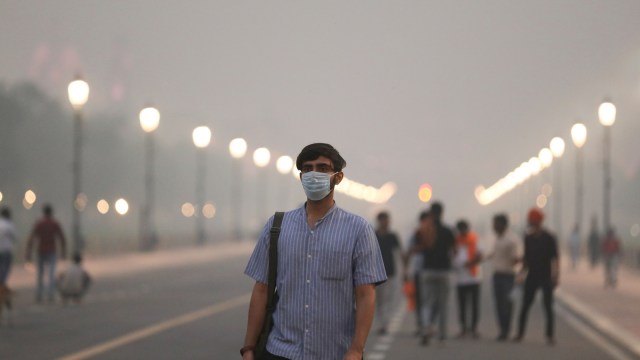
Delhi’s Air Quality Index (AQI) stood at 324 at 4 pm on November 2, according to the figure reported by Hindustan Times from the day’s air-quality data. That reading falls within the 301–400 “very poor” band under the national AQI scale and the CAQM’s revised GRAP schedule. The commission invoked Stage II with immediate effect after reviewing the prevailing conditions and forecasts from the India Meteorological Department (IMD) and the Indian Institute of Tropical Meteorology (IITM), Hindustan Times reported.
The city’s reported AQI had been 60 on October 30 after rain, 117 on October 31, and 261 on November 1 before reaching 324 on Monday afternoon. The sequence shows a rapid deterioration over three days, although a citywide average does not describe conditions at every monitoring station. The Times of India reported at 9:12 pm that 37 of the 58 monitoring stations were in the very poor category and three were in the severe category.
The CAQM’s revised GRAP schedule dated September 29, 2026 defines Stage II as very poor air quality, with a Delhi AQI of 301–400. Stage III applies at 401–450, while Stage IV applies above 450. The schedule also states that measures under earlier stages continue when a higher stage is invoked.
Stage II adds measures to the actions already required under Stage I. The CAQM schedule directs civic and road agencies to carry out daily mechanical or vacuum sweeping on identified roads, with water sprinkling and dust suppressants. It asks authorities to increase the hours or shifts of road-cleaning machines, dispose of collected dust at designated sites, and intensify action at identified pollution hotspots.
The schedule also calls for stricter inspections of dust-control measures at construction and demolition sites, higher parking fees to discourage private transport, and staggered timings for public offices and municipal bodies in Delhi and the districts of Gurugram, Faridabad, Ghaziabad, and Gautam Buddha Nagar. These are measures to be implemented by the agencies named in the schedule; the document does not mean that every restriction associated with the higher GRAP stages has automatically begun.
Also read: Delhi-NCR Imposes GRAP-1 Curbs After AQI Rises to 244
The Stage I section of the same schedule already calls for additional public-transport capacity through CNG and electric buses and Metro and Regional Rapid Transit System services. DMRC’s latest decision is consistent with that objective. It should not be confused with the separate seasonal winter pollution framework that began on November 1, which includes its own vehicle-entry and workplace provisions.
Also read: Delhi AQI Reaches 261 as Winter Pollution Curbs Begin
The Times of India reported that the Delhi Decision Support System estimated the transport sector’s contribution to the city’s pollution at 19.2% on Monday. The same estimate put stubble burning at 8.4%, industries in Delhi and surrounding areas at 4.2%, and residential sources at 4.9%. These are sector estimates from a modelling system, not direct measurements of each source at an individual monitoring station, and their shares can vary with time and conditions.
More Metro services can make public transport a more practical option, but the number of additional trips alone does not show how many car or two-wheeler journeys will be replaced. That will depend on passenger demand, service frequency, interchange convenience, and whether commuters can reach stations safely and reliably. The effect should be assessed using ridership and traffic data alongside air-quality readings.
CAQM’s citizen guidance asks residents to prefer public transport or shared journeys, keep vehicles properly maintained, maintain valid Pollution Under Control certificates, and switch off engines at traffic signals. It also advises against open burning of waste and asks people to report pollution-related violations through the 311, Green Delhi, or SAMEER platforms.
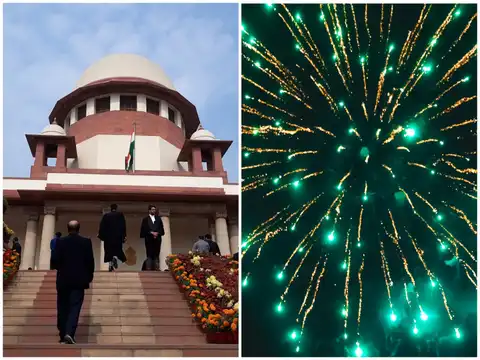
The commission’s Stage II schedule also requires authorities to enforce existing court and tribunal directions on firecrackers. That requirement operates alongside the Supreme Court’s separate, time-limited directions for certified green crackers around Diwali; the temporary permission does not make conventional or unauthorized fireworks permissible.
Also read: Supreme Court Allows Green Crackers in Delhi-NCR on November 7 and 8.
For commuters, the immediate change is the addition of 20 weekday Metro trips from November 3. For agencies, the CAQM order requires the Stage I and Stage II measures to be implemented across the NCR. The next indicators to watch are the daily AQI trend, compliance with dust and parking measures, and whether public-transport use increases as the additional services begin.


Comments (0)
Be the first to comment. Comments are published after moderation.