


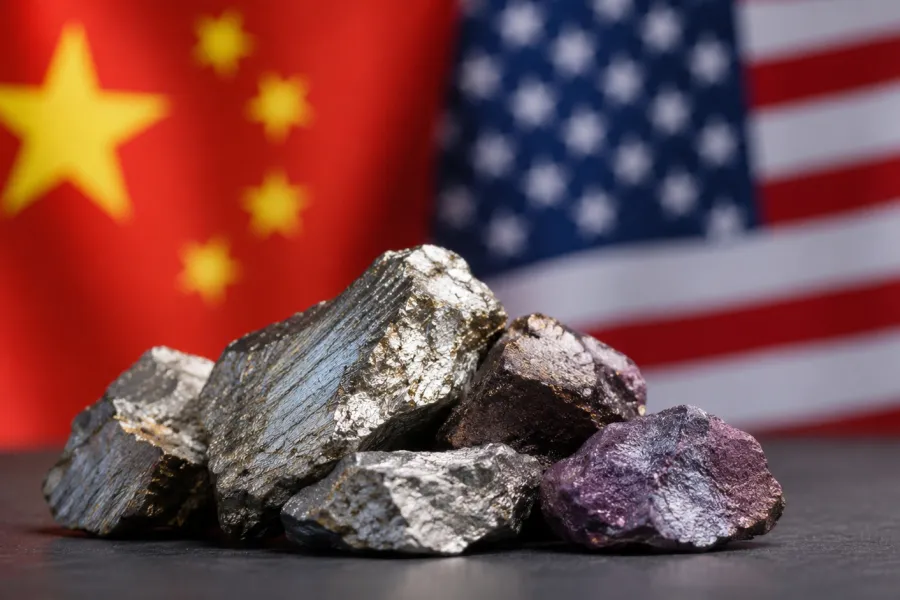
For India, the development is relevant to electric mobility, renewable-energy equipment, electronics and defence manufacturing, all of which depend on secure access to specialised materials. A temporary easing in Chinese controls may help existing supply contracts, while the uncertainty around the next deadline reinforces the case for domestic processing capacity, recycling and diversified imports. The commercial challenge is to build alternatives without assuming that the current pause will last indefinitely.
The stakes extend to countries trying to build their own critical-mineral industries. Japan, the United States, European economies, India and other manufacturers are investing in alternative mining, refining, recycling and magnet production. Those projects are intended to reduce exposure to a single dominant supplier, but they require capital, skilled workers, environmental approvals and reliable demand. The current pause can make the transition less urgent in the short term; it does not make the underlying concentration disappear.
For India, the development is relevant to electric mobility, renewable-energy equipment, electronics and defence manufacturing, all of which depend on secure access to specialised materials. A temporary easing in Chinese controls may help existing supply contracts, while the uncertainty around the next deadline reinforces the case for domestic processing capacity, recycling and diversified imports. The commercial challenge is to build alternatives without assuming that the current pause will last indefinitely.
Also read: US-China Unveil $30 Billion Reciprocal Tariff Framework
The announcement is therefore best read as a tactical extension rather than a strategic reversal. It prevents six specified notices from returning immediately, preserves a measure of stability for manufacturers and gives negotiators more time. But the April 2025 controls remain a separate part of the framework, the November notice contains no detailed licensing guidance, and the next deadline is only two months away. Companies will continue to watch both the legal text and the flow of actual shipments.






Comments (0)
Be the first to comment. Comments are published after moderation.