


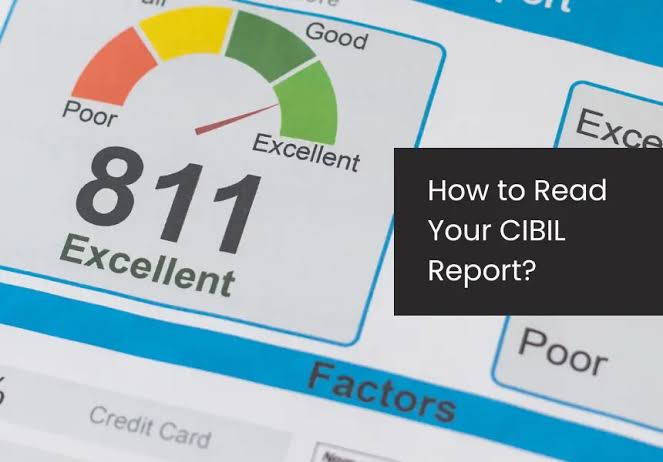
A credit report records how lenders have reported a person’s borrowing and repayment history. Checking it can help consumers spot an incorrect loan balance, a payment marked late by mistake, an unfamiliar credit inquiry, or an account they did not open. In India, TransUnion CIBIL offers an eligible consumer one free CIBIL score and report per calendar year through its official website.
The report is not the same thing as a loan approval. Lenders may consider the score alongside income, existing obligations, employment, the requested loan amount, and their own lending policies. A strong score does not guarantee approval, and a lower score does not explain by itself why a lender made a decision.
What is the difference between a credit score and a credit report?
A credit score is a numerical summary of information in a credit history. CIBIL describes its score as a three-digit number from 300 to 900. The credit report contains the underlying information: personal details, credit accounts, balances, repayment history, and inquiries recorded by lenders. Reviewing the report helps a consumer understand whether the data used to calculate a score is complete and accurate.
Credit information companies may receive data from banks and other lenders at different times. A recent payment or account closure may not appear immediately, so the date of the report matters. If a loan was paid off only recently, check the report’s update date and the lender’s records before concluding that the information is wrong.
How to get a free CIBIL report
- Visit the official CIBIL free score and report page.
- Follow the identity-verification process requested by the service. Use your own device and avoid entering personal information through links sent by strangers.
- Review the report carefully after accessing it. Save a copy securely for your records, but do not share it publicly because it contains sensitive financial and identity information.
- Note the report date and the details of any account or inquiry that you do not recognize.
CIBIL states that the free report is available once per calendar year. Its website says that people who already obtained a free report on or after January 1, 2026, become eligible for the next free report on January 1, 2027. Additional services or more frequent updates may be offered under separate plans, so check the current terms before paying.
Also read: RBI Steps Up Scrutiny of Banks’ Cybersecurity Controls
Checking your own report is different from a lender making an inquiry when you apply for credit. CIBIL’s consumer information says consumers can review their own score and report without that check itself harming the score. A lender’s inquiry may be recorded in the report and can be relevant to how credit applications are assessed.
What to check in the report
Personal and contact information
Check your name, date of birth, contact details, and other identifying information. A spelling error or mismatched detail can make it harder to connect the report to the correct person. If information is inaccurate, note the exact field and the correct information as shown on a reliable identity document.
Loan and credit-card accounts
Look for accounts you recognize, the lender’s name, account status, outstanding balance, and whether the account is open or closed. An unfamiliar account may be a reporting error, a product you forgot about, or a warning sign of possible identity misuse. Do not assume that an unfamiliar entry is fraud until the lender has helped verify it, but investigate promptly.
Repayment history and overdue amounts
Check whether installments and card payments are shown accurately. A payment can be recorded late because it was missed, because it reached the lender after the due date, or because information was reported incorrectly. Compare the entry with bank statements, payment receipts, and the lender’s account statement before raising a dispute.
Credit inquiries
The report can show inquiries made by lenders when credit was sought. If you do not recognize an inquiry, check whether you recently applied through a bank, dealership, online marketplace, or loan intermediary. If it remains unfamiliar, contact the named lender and raise a dispute with CIBIL where appropriate.
How to dispute an error
CIBIL provides an online dispute process for inaccuracies in the report. Its official dispute FAQ says consumers can raise disputes on relevant fields and track their resolution. It also says that the disputed field or account is marked as “Under Dispute” while the matter is being reviewed.
- Identify the exact entry that appears wrong and record the report date.
- Collect supporting documents, such as a loan-closure letter, bank statement, payment receipt, identity document, or lender correspondence.
- Use the official CIBIL dispute process and describe the correction requested clearly. Avoid uploading unrelated personal documents.
- Contact the lender or financial institution that supplied the information, especially if the correction depends on its account records.
- Save the dispute reference number, submitted documents, and any messages from CIBIL or the lender.
- Check the report again after the response and confirm that the information has been corrected or that the reason for rejection has been explained.
A credit information company may need the lender to verify a disputed account. CIBIL says resolution can take approximately 30 days, subject to the time taken by the credit institution to respond. A dispute does not automatically mean that the entry will be deleted: the data may be confirmed as accurate, amended, or otherwise resolved after review.
What if the error is not corrected?
The Reserve Bank of India has established a compensation framework for delays in updating or rectifying credit information. Under the framework, an eligible complainant may be entitled to ₹100 per calendar day if a complaint is not resolved within 30 calendar days from its initial filing with a credit institution or credit information company, subject to the applicable directions and conditions.
The framework does not mean every disagreement automatically qualifies for compensation. Consumers should keep the original complaint date, reference number, lender communications, and evidence of the error. Read the RBI’s applicable directions and the institution’s grievance process to understand the requirements for a claim.
If a lender or credit information company does not resolve the matter through its own complaint process, the consumer should review the relevant RBI grievance or escalation channel and follow the instructions currently in force. Use official regulator and institution websites rather than paying an intermediary who promises to remove a genuine negative entry.
How to protect yourself from identity-related errors
Credit reports can reveal a loan or inquiry that a consumer did not initiate. If you suspect identity misuse, contact the lender named in the report using its official website or verified customer-service channel. Ask what information was used to open the account and what steps are available to investigate it. Change compromised passwords and secure the email or phone number connected to financial accounts.
Also read: Supreme Court Seeks Bank Compensation Rules for Digital Arrest Fraud Victims
Do not share one-time passwords, bank PINs, or remote-access codes with callers claiming to be from CIBIL, a bank, or a regulator. A legitimate dispute process should be accessed through official channels. A service promising to “erase” accurate information for a fee should be treated cautiously; consumers are not required to pay CIBIL to correct a genuine discrepancy in their report.
Does fixing an error guarantee a higher score?
No. Correcting inaccurate information can make the report more accurate, but the effect on the score depends on what changed and on the rest of the credit history. If an incorrect late payment is removed, the score may change; if the disputed entry is verified as correct or was not materially affecting the score, the result may be different.
There is no legitimate shortcut that guarantees a specific score by a specific date. CIBIL’s educational material discusses factors such as repayment history, credit utilization, and the number of recent applications, but lenders can use different criteria. Consumers should focus on accurate reporting and sustainable repayment rather than chasing a single number.
A simple monthly review routine
- Check recent bank and credit-card statements against payments and balances.
- Keep loan-closure letters and important payment confirmations.
- Review your credit report at least when the free annual report becomes available, or sooner through an available service if you suspect fraud.
- Investigate unfamiliar accounts and inquiries promptly.
- Use only official lenders, CIBIL, and RBI channels for disputes and escalation.
A credit report is a record to review, not a score to obsess over every day. A careful check can uncover mistakes, help identify possible identity misuse, and give consumers a clearer view of the information lenders may see. The right response is to verify each entry, keep supporting documents, and follow the formal dispute process.
Sources: TransUnion CIBIL, “Get Your Free CIBIL Score and Report” and “FAQs – Free CIBIL Score and Report”; Reserve Bank of India, directions on compensation for delayed updation or rectification of credit information.
How often can I get a free CIBIL report?
CIBIL says consumers can access one free CIBIL score and report per calendar year through its official website. Check the current eligibility terms before requesting it.
How long does a CIBIL dispute take?
CIBIL says a dispute may take approximately 30 days to resolve, depending on the response from the credit institution. Keep the dispute reference and supporting documents.
Can I pay someone to remove an incorrect credit entry?
You can raise a dispute through CIBIL and contact the lender directly. Be cautious of intermediaries promising guaranteed removal for a fee; the correction must be verified through the official process.




Comments (0)
Be the first to comment. Comments are published after moderation.