


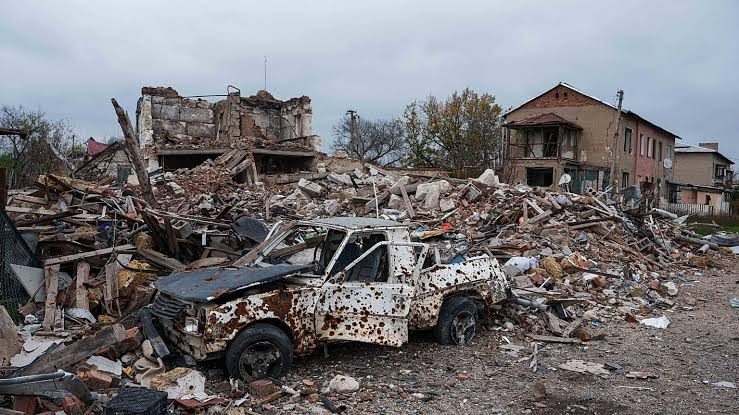
KYIV/DNIPRO, November 8, 2026 — Ukraine power outages widened on Sunday after Russian strikes damaged energy facilities in the eastern Dnipropetrovsk region, leaving more than 600,000 consumers without electricity, according to the regional administration and private energy provider DTEK. A separate strike in the Kharkiv region also disrupted supply, while emergency cuts were ordered in several parts of the country. The latest outages came as Russia’s Defence Ministry made new claims about strikes on Black Sea cargo ships and power substations, allegations that Reuters said it could not independently verify.
The Dnipropetrovsk blackout affected the districts of Dnipro, Kamianske, Samar, Pavlohrad and Synelnykove, regional administration head Oleksandr Hanzha said. DTEK reported that an overnight attack had damaged important energy facilities. Hospitals and other critical infrastructure were switching to generator power, while repair crews began work when security conditions allowed. Neither the company nor regional officials had provided a timetable for restoring electricity to all affected consumers in the latest reports.
The scale of the outage is significant, but the reported figure refers to consumers or electricity connections, not a verified count of individual people or households. The Kharkiv figure was reported separately by the city mayor and international news organisations. The two regional numbers should not be added into a single national total without a common definition and an official consolidated count.
In the northeastern Kharkiv region, a Russian strike hit a critical infrastructure facility near the city of Zlatopil. Mayor Mykola Baksheyev said nearly 250,000 customers had lost electricity and that no casualties had been reported at the site. Repair work was under way, but officials had not given a firm restoration time. The outage was separate from the damage reported in Dnipropetrovsk, even though both incidents formed part of a wider series of attacks on the power system.
Ukraine’s grid operator Ukrenergo also ordered emergency power cuts in Dnipro, Kyiv and several other regions. Ukrainska Pravda, citing DTEK and Ukrenergo, reported that the measures applied in Kharkiv, Sumy and Poltava as well as the affected cities. During emergency cuts, normal published outage schedules do not apply, leaving households and businesses with less certainty about when electricity will be available. The operator had not announced a single timetable covering all affected areas.
The latest regional blackout followed another interruption in Dnipro on the evening of November 7, when more than 60,000 consumers in the city were reported without electricity after attacks on energy infrastructure. That earlier outage and the wider loss of supply across Dnipropetrovsk on Sunday are separate events. Keeping the two counts apart matters because a running total could otherwise double-count consumers whose connections were affected in successive waves.
Officials have not published a complete breakdown of the damage to individual substations, transmission lines or distribution equipment. DTEK said important energy facilities had been damaged and that repeated attacks were complicating repairs. The regional administration’s account said hospitals and critical infrastructure were using generators, but it did not provide a full list of facilities affected or specify how long backup supplies would be needed.
President Volodymyr Zelenskyy said a separate large Russian barrage the previous night had struck energy facilities in several regions and disrupted electricity transmission around Kyiv. He said Russia had launched 172 drones and 36 ballistic missiles overnight, including North Korean-made KN-23 missiles. Ukraine’s Energy Ministry said the attack had left five regions facing power cuts and significantly hampered transmission in and around the capital. Those reports describe a separate wave from the overnight damage that DTEK reported in Dnipropetrovsk on November 8.
Zelenskyy accused Moscow of intensifying attacks to put pressure on Ukraine before a new round of US-brokered talks in Abu Dhabi. That is the Ukrainian president’s assessment of Russia’s intent, not an independently established explanation for the military operation. The immediate effects documented by Ukrainian officials and energy companies are damage to electricity infrastructure, emergency outages and the need to prioritise power for hospitals and other essential services.
In a separate statement reported on Sunday, Russia’s Defence Ministry said its forces had struck three cargo vessels in or near the Black Sea ports of Odesa and Chornomorsk. Moscow alleged that the ships were carrying weapons, military equipment or dual-use cargo for Ukraine. It also said Russian forces had hit two electricity substations in Dnipropetrovsk and Zhytomyr regions, claiming that they supplied power to Ukraine’s defence industry.
Reuters reported the Russian claims but said it could not independently verify them. Ukraine had not immediately commented on the alleged ship strikes or on Russia’s description of the cargo. The claims should therefore be treated as statements by the Russian military, not as confirmed findings about the vessels, their cargo or the purpose of the substations. The damage to important energy facilities in Dnipropetrovsk has been separately reported by DTEK and regional officials, but that does not establish the military function Moscow attributed to specific substations.
The distinction is important because Black Sea ports remain central to Ukraine’s ability to move commercial goods and maintain maritime trade during the war. A verified attack on civilian shipping or port infrastructure could have consequences beyond the immediate damage to a vessel, including higher insurance costs, longer routes, delays and greater security requirements for crews. But the latest Russian statement did not provide independently verified vessel names, damage assessments or evidence about the cargo. Those details remain unresolved.
Odesa and Chornomorsk are major maritime gateways on Ukraine’s Black Sea coast. Their port operations have faced repeated threats since Russia’s full-scale invasion, while shipping has continued under changing security arrangements and risks. The Russian Defence Ministry’s account does not by itself establish that commercial shipping has been interrupted or that any cargo was successfully prevented from reaching Ukraine. Independent confirmation from ship operators, port authorities, insurers or maritime monitoring bodies would be needed before drawing those conclusions.
Russia’s statement also referred to substations in Dnipropetrovsk and Zhytomyr. Substations help move electricity between high-voltage transmission lines and regional networks, so damage can interrupt supply even when a power station itself has not been hit. The exact equipment affected in the latest incidents, the amount of capacity lost and the time needed for repairs had not been fully disclosed. The Ukrainian reports confirm disruption to the grid, but not the military purpose alleged by Moscow.
Electricity interruptions can quickly affect services that depend on a stable supply. Hospitals need power for lighting, diagnostic equipment, refrigeration and life-support systems; water utilities require electricity to pump, treat and distribute water; mobile networks, transport systems and businesses also rely on the grid. The regional administration’s report that hospitals and critical infrastructure had moved to generators shows that the response was not limited to household connections. It does not, however, establish that every hospital or public service in the region lost normal power.
Backup generators can keep essential services operating, but they are not a substitute for a stable grid over an extended period. They require fuel, maintenance and safe operating conditions, and their capacity is limited. Local authorities and utilities must decide which facilities receive priority while repair crews inspect damaged equipment and restore connections. Repeated air alerts can delay that work because crews cannot safely remain near damaged infrastructure during an attack warning.
The timing adds pressure as Ukraine moves into another winter of war. International reporting on Sunday described temperatures in parts of the country as hovering around freezing, increasing the importance of electricity and heating for households, hospitals and public buildings. In the Zhytomyr region, Zelenskyy said 140 apartment buildings had been left without heating after a Russian strike. The full duration of those interruptions was not clear in the latest reports, and the heating disruption should not be confused with the separate Dnipropetrovsk consumer count.
Repeated attacks can also weaken the resilience of a power system even after individual outages are repaired. Transmission lines and substations connect generation sites to cities and industrial users; damage in one part of the network can force operators to reroute electricity through other lines, reduce available capacity or impose emergency cuts to prevent a wider imbalance. That is why a strike on a relatively small piece of equipment can affect a much larger area than the immediate impact zone.
For manufacturers, shops and transport operators, unpredictable power cuts can disrupt production schedules, cold storage, payments, communications and deliveries. The immediate reports do not quantify the economic losses or establish how long businesses will remain without electricity. Those effects will depend on the speed of repairs, the availability of backup power and whether further attacks damage the same network or other parts of the system.
Ukraine’s energy companies and grid operator now face two linked tasks: restore service where it is safe to do so and keep enough flexibility in the network to respond if new strikes occur. The number of consumers reconnected, the condition of critical facilities and any further emergency-cut orders will provide a clearer measure of recovery than broad statements about the scale of damage. A restoration announcement for one district should not be read as proof that all affected areas have power again.
The latest attacks also come just days before the next planned round of US-brokered discussions involving Ukraine and Russia in Abu Dhabi on November 10 and 11. The talks are expected to bring Ukrainian, Russian and US representatives together after a pause in the diplomatic track. Zelenskyy has argued that the attacks are intended to strengthen Moscow’s position before negotiations; Russia has not accepted that interpretation. The military claims and the diplomatic agenda remain separate matters, and the talks’ outcome cannot be inferred from the fact that they are scheduled.
For now, the key questions are practical: how quickly DTEK and other operators can restore electricity in Dnipropetrovsk and Kharkiv; whether emergency cuts remain necessary in Kyiv and other regions; whether heating and water services are affected for longer than the initial outage; and whether either side provides verifiable evidence about the alleged Black Sea ship strikes. Further updates from regional administrations, DTEK and Ukrenergo will be needed to establish the final number of affected connections and the full repair timeline.
The confirmed picture is of a serious regional power disruption after overnight attacks, emergency measures across several parts of Ukraine and a new set of Russian military claims that remain unverified. The immediate burden falls on residents, hospitals, local services and businesses trying to operate through uncertain supply. As winter approaches, the durability of repairs and the ability of the grid to withstand repeated attacks will matter as much as the initial number of outages.
Also read: Russian Strikes Hit Kyiv Energy Facilities Ahead of New US-Brokered Talks
Also read: Russian Attacks Hit Ukraine’s Energy Infrastructure, Disrupting Power and Heating




Comments (0)
Be the first to comment. Comments are published after moderation.