


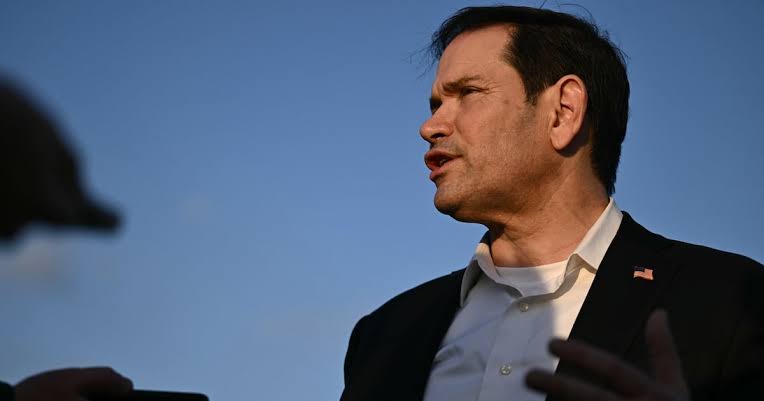
WASHINGTON, November 9, 2026 — US Secretary of State Marco Rubio says Iran talks remain far from a breakthrough, even as President Donald Trump prepares to meet Qatar’s prime minister at the White House in a renewed push to find a diplomatic route out of the eight-month war. The planned meeting gives the main intermediary another chance to narrow the gap between Washington and Tehran, but the two sides remain divided over sanctions, the US naval blockade, nuclear restrictions and the wider regional ceasefire.
Rubio made his assessment on Sunday before leaving Florida for a Group of Seven foreign ministers’ meeting in Paris. He said President Trump preferred a negotiated outcome but described Iran’s demands as unacceptable and unrealistic. His comments came a day after the US military disabled a commercial vessel it said was attempting to breach the blockade of Iranian ports, while limited American strikes against Iranian air defences continued.
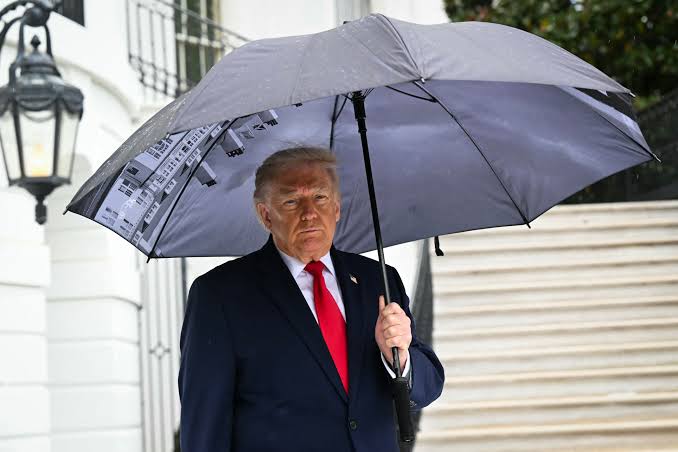
Trump is due to meet Sheikh Mohammed bin Abdulrahman Al-Thani, Qatar’s prime minister and foreign minister, on Monday. Vice President JD Vance is also scheduled to meet the Qatari leader. Doha has been carrying proposals between Washington and Tehran and has tried to reconcile the US demand for limits on Iran’s nuclear programme with Tehran’s insistence that the blockade and other wartime restrictions must be addressed before a broader agreement can be reached.
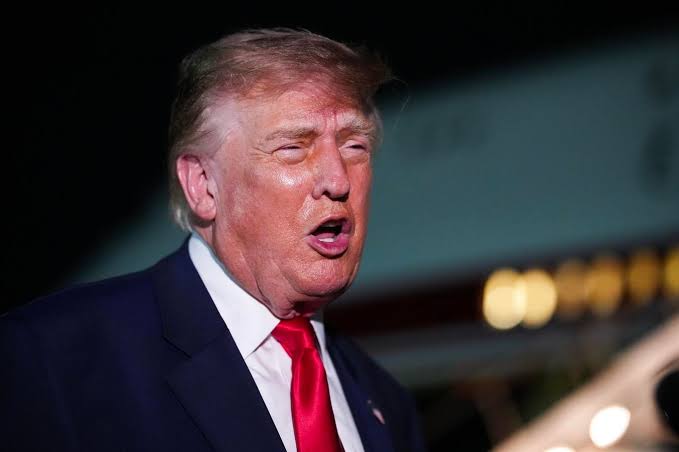
The diplomatic activity does not amount to a ceasefire or a settled negotiating framework. Trump said on Sunday that renewed strikes were highly unlikely if talks produced a strong agreement, but he also warned that the United States had identified infrastructure targets, including bridges, should military action resume. Rubio’s comments make clear that the administration does not yet regard the Iranian response as sufficient to secure a deal.
The White House meeting is expected to focus on Qatar’s mediation efforts and the conditions under which indirect negotiations could move forward. Sheikh Mohammed has maintained contact with both sides and has urged them to pursue a workable agreement rather than hold out for a settlement that addresses every dispute at once. Qatar’s role is particularly important because Washington and Tehran have not restored direct negotiations at a level that would allow the most sensitive questions to be settled quickly.
Iran has set out several conditions for any ceasefire arrangement. Reporting by the Associated Press says these include an end to the US blockade on Iranian ports, sanctions relief, the release of frozen Iranian assets, compensation for war damage and a halt to hostilities across the region, including Israeli operations in Lebanon. Tehran has also insisted that the nuclear issue cannot be separated from the wider terms of the conflict.
Washington’s position is different. The Trump administration says Iran must not obtain a nuclear weapon and wants any agreement to address the country’s enriched uranium stockpile and the future of its nuclear programme. The United States also wants the Strait of Hormuz to remain open to international shipping and has resisted proposals that would give Tehran a lasting mechanism to control or restrict commercial passage through the waterway.
The International Atomic Energy Agency has previously reported a large stockpile of uranium enriched to 60% purity in Iran. That level is below the roughly 90% generally associated with weapons-grade uranium, but it is far above the enrichment needed for most civilian power uses. Iran says its programme is peaceful and has rejected accusations that it is seeking a nuclear weapon. The dispute is not only about the amount of material held but also about verification, access for inspectors and the guarantees that would be required to prevent future escalation.
Qatar’s foreign ministry said on October 27 that diplomatic messages, proposals and views were continuing to pass between Washington and Tehran through its mediation channel, in coordination with regional and international partners. The ministry also described a Qatari delegation’s visit to Tehran as part of ongoing consultations intended to reduce tensions. That public account predates Monday’s White House meeting, but it confirms that Doha’s channel remained active through the latest escalation.
Qatar’s challenge is to find a sequence that allows both governments to claim that their central demands have been addressed. Tehran wants the blockade and sanctions pressure eased before it makes concessions on the nuclear file. Washington wants verifiable nuclear commitments and a secure maritime route before it relaxes the pressure that has given it leverage. A phased arrangement could address these issues in stages, but neither side has publicly accepted a final sequence.
Rubio’s comments came as Trump offered a more optimistic public message about the possibility of avoiding another round of large-scale attacks. In a phone interview with CNN, the president said further strikes were highly unlikely if negotiations advanced and Iran agreed to a strong deal. He also said the United States had identified 38 bridges and other infrastructure that could be targeted if fighting resumed.
The two statements are not necessarily contradictory. Trump was describing what he might do if a deal became possible; Rubio was assessing the state of the negotiations as they stood on Sunday. The secretary of state said there was no imminent breakthrough and that the Iranian conditions remained too far from Washington’s position. The difference highlights the gap between a political signal intended to keep diplomacy open and the technical work needed to reach an agreement.
Military activity has continued despite the public emphasis on talks. The Associated Press reported that US forces had carried out limited strikes against Iranian air defences at least twice in the previous week. The US military also said it fired on and disabled a commercial vessel on Saturday after determining that it was attempting to breach the naval blockade. The account of the ship’s attempted breach is the US government’s claim; the incident does not by itself establish that the broader diplomatic channel has collapsed.
Rubio said the United States would defend its forces and shipping if they faced a clear threat. That position leaves room for limited military action while negotiations continue, but it also creates a risk that an incident at sea or a misread military movement could trigger a wider confrontation. The Strait of Hormuz remains central to that danger because it is a narrow route for energy shipments and other commercial traffic from the Gulf.
Before the war, roughly one-fifth of the world’s oil supply passed through the strait. Disruptions have pushed up fuel and transport costs and added pressure to economies that depend on imported energy. The effects have been felt well beyond the Gulf, including in Asian countries that rely on Middle Eastern crude and liquefied natural gas. A durable reopening of the route would therefore matter to energy buyers, shipping firms, insurers and consumers as well as to the governments directly involved in the conflict.
The conflict has become a political liability for the Trump administration after more than eight months of fighting. Higher fuel prices and the disruption of energy shipments were among the economic concerns that weighed on voters in the November 3 midterm elections, in which Democrats won control of both chambers of Congress. Vice President JD Vance has linked the war to the Republican losses, while Rubio has defended the decision to confront Iran as necessary to prevent it from acquiring a nuclear weapon.
Rubio’s remarks also put him at odds with Vance’s emphasis on the electoral cost of the conflict. The secretary of state argued that a difficult security decision may be unpopular but still necessary. Trump has defended the decision to launch the war and said he would make it again, even as he has signalled that another round of attacks could be avoided if negotiations produce a strong agreement.
The G7 foreign ministers’ meeting in Paris will give US allies an opportunity to assess the impact of the midterm results on Washington’s foreign policy. Iran is expected to feature alongside Ukraine and other security issues. European governments have an interest in preventing further escalation, but they also want assurances that any deal will address nuclear risks and keep the Strait of Hormuz open to international shipping.
For Qatar, the immediate objective is to keep the negotiating channel alive and prevent the conflict from spreading. The emirate has relationships with both Washington and Tehran and has used them to transmit proposals. But mediation cannot resolve the central disputes unless both sides are willing to accept trade-offs on the blockade, sanctions, nuclear verification and regional security.
The first question is whether the meeting produces an agreed next step, such as a date for indirect talks, a revised proposal or a sequence for easing the blockade and restarting nuclear discussions. A public statement that the sides are willing to continue talking would be useful, but it would not establish that the most difficult issues have been settled.
The second is whether Iran modifies the conditions it has attached to a ceasefire. If Tehran continues to demand that the United States lift the blockade, release frozen assets and provide compensation before nuclear negotiations begin, Washington may conclude that the proposal offers too little in return. If the United States insists on nuclear concessions before any easing of pressure, Iranian leaders may decide that negotiations cannot deliver the relief they need.
Shipping security will remain another test. Any attack on a commercial vessel, an attempt to force passage through the blockade or a strike on US forces could narrow the space for diplomacy. Governments and maritime operators will be watching for clear instructions about the route through Hormuz, the status of the blockade and the treatment of ships that are not directly involved in the conflict.
For now, Qatar’s meeting with Trump is an opportunity to prevent the next escalation, not evidence that an agreement is close. Rubio’s warning that the talks are far from a breakthrough is a reminder that the most difficult decisions remain unresolved. The next meaningful sign of progress will be a verifiable change in the positions of Washington and Tehran, not simply another public expression of willingness to negotiate.



Comments (0)
Be the first to comment. Comments are published after moderation.