


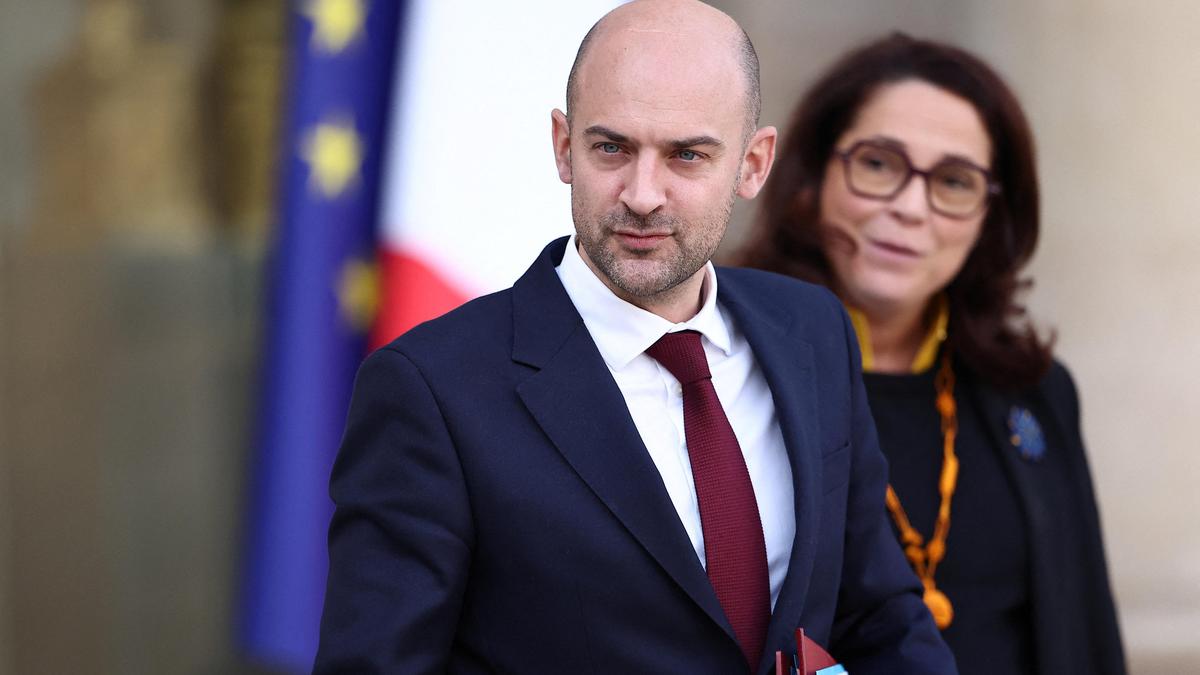
Paris | November 8, 2026 — France will take part in the next US-mediated discussions on Ukraine in Abu Dhabi, Foreign Minister Jean-Noël Barrot said on Sunday, signalling that European representatives will be involved in a round of talks previously described as a meeting between Ukraine, Russia and the United States.
Barrot made the announcement in an interview with French radio station RTL. He said European participation would be substantial and confirmed that France would attend, but did not identify the person who would represent Paris. The statement clarifies that Europe will have a presence around the November 10–11 discussions; it does not yet establish which countries will send delegates, whether the European Union will participate through a separate delegation or what formal role those representatives will have in the negotiations.
The talks are expected to bring Ukrainian and Russian delegations together under US mediation. Washington has said the agenda will include ending the war, post-war security arrangements and de-escalation, with humanitarian measures also among the subjects raised in earlier descriptions of the proposed discussions. No draft settlement, agreed ceasefire or breakthrough has been announced.
Also read: US Plans Ukraine-Russia Talks in Abu Dhabi on November 10–11, Envoy Says
Barrot’s announcement is the clearest public confirmation so far that a European government will be present at the Abu Dhabi round. His remarks were direct on France’s participation but deliberately limited on the details: he said he could not yet disclose who would represent the country. That leaves the level of representation and the scope of any European contribution unresolved.
The distinction matters because the meeting was initially presented as a trilateral process involving officials from Ukraine, Russia and the United States. France’s confirmation points to a wider diplomatic setting, but it should not be read as proof that European governments have secured a formal negotiating seat on every issue. Participation could take different forms, including direct attendance, consultations alongside the main session or coordination with the US and Ukrainian delegations. The organisers have not published a definitive format.
Channel NewsAsia, citing AFP, reported that the officials-level talks were scheduled for Tuesday and Wednesday and that the identities of the participants had not been made public. The report also noted that European leaders have been pressing to be involved because decisions on Ukraine’s security would have immediate consequences for the continent. Barrot’s comments provide confirmation of France’s presence, not a complete list of the European officials expected to attend.
The announcement follows a series of consultations among American, Ukrainian and European officials. US, European, Ukrainian and NATO representatives met in Brussels on Thursday to discuss Ukraine’s security guarantees and the wider European security framework. US envoy Jared Kushner joined that meeting by video, according to Channel NewsAsia’s account. Those discussions indicate that the Abu Dhabi meeting is being prepared alongside a separate conversation about the security arrangements that could follow any eventual agreement.
European involvement is important because a settlement would not affect Ukraine alone. A ceasefire line, restrictions on military activity, future security commitments and the reconstruction of damaged infrastructure would shape defence planning and public spending across the region. European governments have also provided substantial financial, humanitarian and military support to Kyiv during the war. They are therefore directly exposed to the consequences of an agreement that could either reduce the risk of renewed fighting or leave the continent facing another period of instability.
Ukraine has argued that any durable settlement must include credible guarantees against another Russian attack. President Volodymyr Zelenskyy has pressed Western partners for clear, written commitments describing how they would respond if Russia invaded again after a peace agreement. The Associated Press reported earlier this week that Kyiv wants those assurances defined in advance rather than left to political interpretation after a new crisis begins.
Such guarantees can take several forms. They may involve long-term weapons supplies, training, intelligence-sharing, air-defence assistance, financing for Ukraine’s armed forces or commitments by partner governments to respond to a renewed attack. The political and legal strength of any arrangement depends on who signs it, what actions it promises and whether those commitments have the funding and domestic approval needed to endure. None of those details has been settled publicly for the Abu Dhabi discussions.
European governments also have an interest in the broader security framework. Any agreement that changes the military balance in eastern Europe, limits Ukraine’s future defence choices or creates new arrangements between Washington and Moscow could affect NATO planning and the security of neighbouring states. Barrot’s insistence that France will be present reflects the view that Europe should not be absent from talks whose consequences would be felt across the continent.
Also read: Russian Strikes Hit Kyiv Energy Facilities Ahead of New US-Brokered Talks.
That does not mean European governments share identical preferences on every element of a settlement. Their positions can differ on the scale and duration of security commitments, the use of frozen Russian assets, sanctions, reconstruction funding and the timing of any agreement. A European presence may help communicate those concerns, but it does not erase the need for coordination among the governments involved.
The public agenda for the November 10–11 talks is broad. Ending the war is the central objective, while security arrangements, de-escalation and humanitarian issues are expected to feature in the discussions. Those subjects are connected, but they are not interchangeable. A limited humanitarian understanding could be pursued without resolving the territorial and political disputes that stand in the way of a comprehensive settlement. A security framework, meanwhile, would require more detailed negotiations over commitments, verification and enforcement.
The main parties remain far apart on the terms of a possible agreement. Ukraine has rejected demands that would compromise its sovereignty or leave occupied territory permanently outside its control. Russia’s demands on territory and Ukraine’s future security alignment have been major obstacles in previous rounds of diplomacy. The announcement of another meeting does not show that either side has abandoned its position or accepted a compromise.
For Washington, the challenge is to keep the negotiating process moving while addressing the concerns of both Kyiv and its European partners. US officials have been pursuing a format that brings the Russian and Ukrainian delegations together, but any durable framework would require practical arrangements for monitoring and implementation. European governments are likely to seek clarity on the guarantees they may be asked to provide and the extent to which they will be consulted before decisions affecting the region are finalised.
For Moscow and Kyiv, the immediate question will be whether the meeting can identify areas where the sides are prepared to continue working. An agreed process, a humanitarian step or a specific mechanism to reduce the risk of escalation could count as limited progress. None would amount to a peace deal on its own. The central issues — territory, security, the status of occupied areas and the enforcement of any commitments — would still require negotiation.
Barrot’s statement also leaves open whether France will speak only for its national government or coordinate with a wider European group. No representative has been named, and no final participant list has been published. It is therefore premature to describe the meeting as a fully multilateral negotiation or to assume that the European Union will have a separate seat at the table. The confirmed point is that France intends to attend and that Barrot expects Europeans to be represented.
The next indications will come from the delegations announced by the governments, any clarification of the meeting’s format and the statements issued after the Brussels consultations. The positions set out by Ukraine and Russia before the talks will also matter: a meeting can begin with a wider attendance list while leaving the main political disagreements untouched.
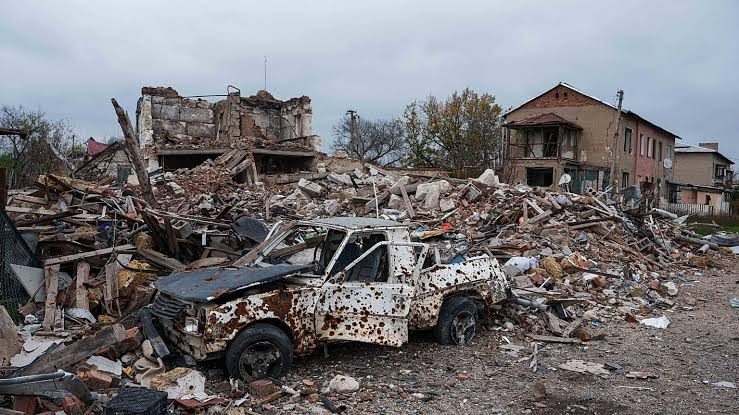
For Ukrainians living through the war, the value of the process will ultimately be measured by whether it reduces attacks, protects essential services and provides security that can last beyond the signing of an agreement. For European governments, it will be measured by whether their concerns are incorporated into a framework that affects the continent’s defence and economic future. France’s announcement gives Europe a clearer prospect of being represented in Abu Dhabi, but the substance of that representation is still to be defined.


Comments (0)
Be the first to comment. Comments are published after moderation.