


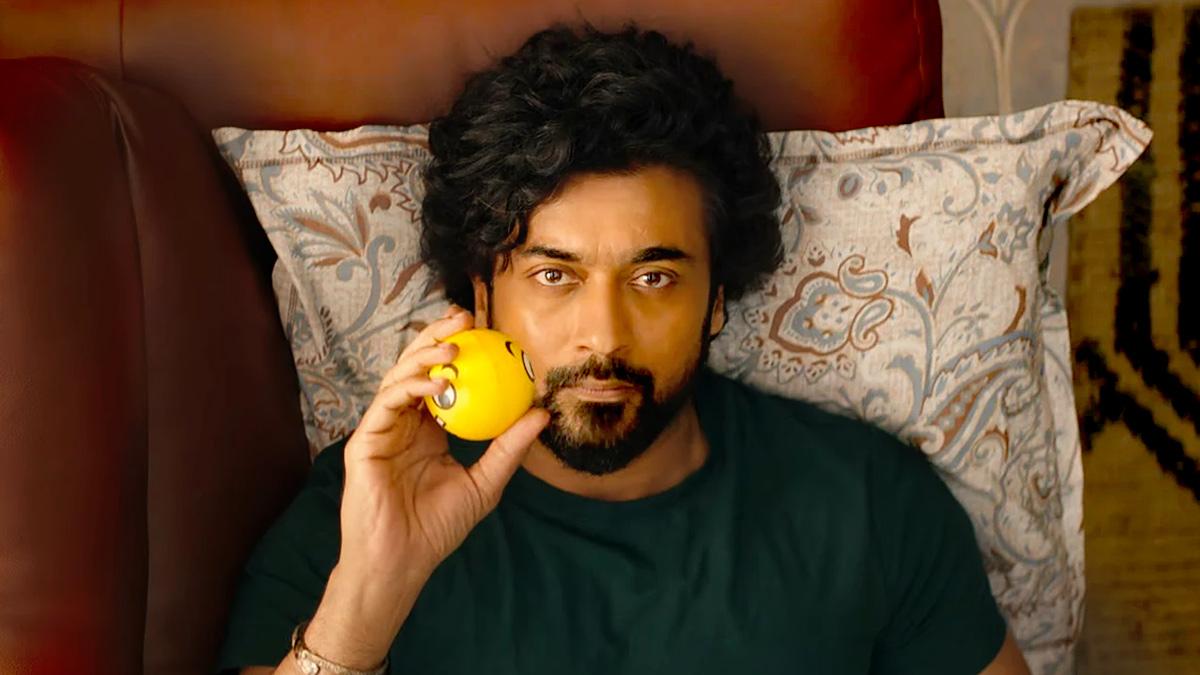
CHENNAI, November 7, 2026 — Suriya’s Scene, directed by Jithu Madhavan, opened in theatres on November 6, bringing together a cast led by Suriya, Nazriya Nazim and Naslen for a dark-comedy crime thriller. The early critical response has focused less on conventional action spectacle and more on the film’s unusual mix of investigation, humour and tonal shifts. Viewers deciding whether to watch it should know that it is built around a distinctive genre combination rather than a straightforward police procedural.
The film’s appeal begins with its cast and director. Suriya is one of Tamil cinema’s most recognisable leading performers, while Nazriya and Naslen bring different comic and dramatic registers to the ensemble. Jithu Madhavan’s earlier work has made audiences expect a mix of eccentric characters, abrupt comic turns and tightly observed social situations. That expectation shapes how critics are approaching Scene: the question is whether the film’s humour and crime plot strengthen each other or compete for attention.
Early reviews are not identical, and they should not be presented as a single unanimous verdict. NDTV’s review rated the film 3.5 out of 5, while reviews from Cinema Express and The Hindu examined the way the director handles the genre blend and the performances. The broad takeaway is that the film has clear moments of energy and character work, but its rhythm and tonal choices may not work equally well for every viewer.
Scene is framed as a crime story with a strong dark-comedy component. Rather than moving from clue to clue in a purely procedural way, it uses character behaviour, awkward encounters and sudden shifts in mood to keep the investigation moving. That approach can make a thriller feel unpredictable, but it also asks the audience to accept a world in which humour and danger can sit close together.
The film’s central appeal is the contrast between its performers. Suriya carries the dramatic centre, while Nazriya and Naslen contribute to the ensemble’s comic and emotional texture. A supporting cast that includes familiar character actors helps create a world that feels crowded and unstable. The performances are important because the story relies on the audience understanding why characters make impulsive or irrational decisions, even when those choices complicate the investigation.
The director’s tone is a major part of the experience. A dark comedy can use discomfort, irony and exaggerated behaviour to expose the contradictions of a situation. It does not have to make every character sympathetic, and it does not need to keep the audience in a constant state of suspense. The challenge is maintaining enough narrative clarity for the crime plot to remain meaningful while the comedy changes the emotional temperature of a scene.
Also read: Saiyaara Dominates OTT: Fans Rally to Defend Ahaan Panday and Aneet Padda’s Blockbuster
Also read: The Mercy (2026 film): Chris Pratt vs. Rebecca Ferguson in a High-Stakes Race
NDTV’s 3.5-star assessment places the film on the positive side of its review scale, with attention to the performances and the director’s willingness to mix genres. A rating is a critic’s judgement, not a measurement of how every audience member will respond. It is useful as one signal, but viewers should also consider whether they enjoy dark humour, unusual pacing and a story that does not always follow the rhythm of a conventional thriller.
Cinema Express’s review focuses on the film’s distinctive tone and the way the cast handles the comic and dramatic shifts. That kind of review is especially useful for audiences familiar with Jithu Madhavan’s earlier work, because it asks whether the director’s style has developed into a coherent feature-length story. The Hindu’s assessment also considers the relationship between the film’s genre elements and its central performances, rather than treating the film as an action vehicle alone.
The early critical conversation suggests a film with identifiable strengths and some uneven passages. Strong performances can keep an unusual story engaging, but they cannot automatically resolve every problem of pacing or plot logic. If a scene depends on a sudden shift from tension to humour, the transition has to feel earned. When it does not, some viewers may feel that the film interrupts its own momentum.
That difference in response is normal for a film that takes a tonal risk. A conventional thriller usually tells viewers when to feel suspense, fear or relief. A dark comedy may deliberately unsettle those expectations. The result can be memorable for viewers who enjoy the mixture, while others may prefer a more consistent emotional register.
Suriya’s role gives the film its star centre, but the ensemble matters because the story moves through a network of characters rather than a single hero’s uninterrupted journey. Nazriya’s screen presence can shift the energy of a scene quickly, while Naslen’s performance adds a younger comic voice to the group. The film benefits when those different styles create friction that reveals something about the characters instead of merely adding noise.
The music and sound design are also important in a dark comedy thriller. A score can make a moment feel threatening, absurd or unexpectedly emotional, sometimes within a short sequence. The work of composer Sushin Shyam is therefore part of the film’s tonal construction, not simply background decoration. The editing has a similar responsibility: it must allow comic timing to land without making the crime narrative feel disconnected.
Viewers who enjoy character-led thrillers, dark humour and a slightly unpredictable narrative are more likely to appreciate the film’s approach. Those looking for a conventional Suriya action vehicle, a tightly plotted mystery with a single straight line of clues or a comedy that remains light throughout may find the experience less satisfying. The film’s genre is not a minor detail; it determines what kind of viewing experience the audience is being asked to accept.
The review discussion should also be separated from audience reaction on social media. A viral clip, a short scene or an isolated theatre response cannot establish the quality of a full film. Reviews are more useful when they explain the story’s structure, the performances, the technical craft and the moments where the film’s approach works or fails. Viewers should avoid treating a single score or a trending post as a substitute for a full assessment.
Scene opened theatrically on November 6, 2026. Viewers should check the language and showtime available at their local cinema, because listings can vary by city and screen. The film’s genre mix may also make it more suitable for adults and older teenagers than for younger children, depending on local classification and the content of the specific release. The cinema’s certification information is the proper reference for age suitability.
As with any new release, opening-week reviews are based on the version screened for critics and the information available at the time. Audience responses can add context, but box-office estimates and social-media reactions should not be confused with a formal review. The film’s long-term reception will depend on how viewers respond after more screenings and whether the story’s tonal risks continue to feel fresh beyond the opening weekend.
The most useful conclusion at this stage is measured: Scene offers a recognisable star, a distinctive director and an ensemble built for an unusual crime-comedy mix. Early reviews lean positive in some areas but do not suggest that every viewer will find the pacing or tonal balance equally effective. The film is best approached on its own terms, not judged solely against a conventional action thriller.
It is also worth separating a critic’s rating from the film’s suitability for a particular audience. A 3.5-star score from one publication does not mean that every viewer will enjoy the same scenes or respond to the same jokes. Reviewers may place different weight on the screenplay, performances, technical craft and genre balance. A viewer who values character work may come away more satisfied than someone who expects the investigation to follow a tightly controlled sequence of clues.
For audiences unfamiliar with Jithu Madhavan’s style, the safest expectation is a film that moves between crime, comedy and moments of discomfort. The tonal changes are part of its design, but they are also the main point on which reactions may divide. Viewers who prefer to avoid spoilers should read reviews that discuss the film’s craft and pacing without describing the late-story turns. Theatrical sound and audience response can also affect how comic timing lands, so a short online clip is not a reliable sample of the complete experience.




Comments (0)
Be the first to comment. Comments are published after moderation.