


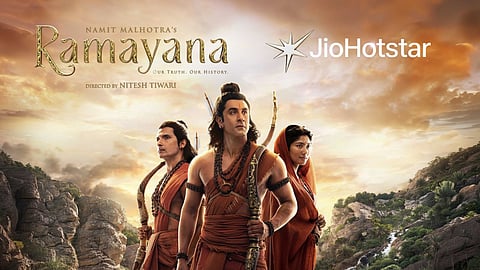
MUMBAI, November 6, 2026 — Ramayana: Part One began its worldwide theatrical release on November 5, opening the first instalment of a planned two-part adaptation of the Indian epic. Produced by Prime Focus Studios with DNEG and Monster Mind Creations, the film is directed by Nitesh Tiwari and stars Ranbir Kapoor as Rama, Sai Pallavi as Sita and Yash as Ravana. The producers list releases in Hindi, Tamil, Telugu, Kannada, Malayalam and English, placing the film across Indian-language markets as well as international cinemas.
The release follows a long production and promotional campaign that has included a global title reveal, a trailer launch, a Los Angeles premiere and a digital distribution partnership for the period after the exclusive theatrical window. The makers have presented the project as a large-format cinematic retelling rather than a single film that covers the entire epic. The second instalment is scheduled for Diwali 2027, although its final release arrangements remain subject to the production and distribution schedule.
The film’s first chapter is built around a story that has been retold in different literary, theatrical, television and regional traditions for generations. The production’s scale and cast have made the adaptation a major release for Indian cinema, but its commercial performance will depend on more than opening-day attention. Screen availability, language versions, ticket pricing, audience response, repeat viewing and the length of the theatrical run will all influence how the film performs across markets.
Prime Focus Studios identifies Ranbir Kapoor as Rama, Sai Pallavi as Sita and Yash as Ravana. The ensemble also includes Sunny Deol as Hanuman and Ravie Dubey as Lakshmana, with Arun Govil, Lara Dutta, Indira Krishnan, Vivek Oberoi, Kunal Kapoor and other actors in supporting roles. The cast combines performers associated with Hindi cinema and actors whose audiences extend across regional industries. That mix is important for a film intended to travel across several language markets.
Nitesh Tiwari directs the project, while Namit Malhotra is the producer. Prime Focus Studios is producing in association with DNEG and Monster Mind Creations. DNEG is a major visual-effects company with credits on international feature films, and its involvement is central to the production’s large-scale visual work. The producers have also highlighted the collaboration between composers A. R. Rahman and Hans Zimmer, bringing together two music creators whose work spans Indian and international film industries.
The production has been designed for premium theatrical formats, including IMAX. A large-format release can make the visual scale of a film more apparent, but the experience also depends on the screen, projection system, sound mix and local theatre equipment. Not every cinema has the same format or technical capability, so viewers should check the format listed for the specific show rather than assume that every screening uses the same presentation.
The decision to divide the adaptation into two parts gives the production more room to develop the characters and narrative over separate theatrical releases. The producers have not treated the second part as a same-day companion film; it has a separate target window in Diwali 2027. That schedule leaves a substantial interval between the two chapters, which means the first film’s ending, audience reception and the production timetable will shape expectations for the continuation.
There is also a distinction between the epic’s many traditional versions and the choices made by a contemporary film adaptation. The Ramayana has been narrated in Sanskrit, Tamil, Awadhi and numerous other languages, with regional retellings that differ in emphasis, characterisation and episodes. A feature film cannot reproduce every version or include every episode. Viewers may therefore encounter a particular interpretation shaped by the screenplay, performance, editing and visual design. The production’s official material describes the project as a cinematic retelling; it does not make the film a substitute for the source texts or regional traditions.
Theatrical release and distribution
Prime Focus Studios and DNEG confirmed November 5 as the worldwide theatrical date. The producers list six release languages: Hindi, Tamil, Telugu, Kannada, Malayalam and English. The Indian distribution arrangements include Dharma Productions for the Hindi-speaking market, while Sony Pictures is handling international distribution outside India. These arrangements matter because a film’s theatrical reach depends on local distributors, screen allocation, language versions and the marketing plan in each territory.
Advance bookings and premium-format screenings are part of the release strategy, but the number of tickets sold before opening is not the same as final box-office revenue. A booking figure may be reported at different times and may include previews, different languages or different ticket categories. The most reliable comparisons will come from consistent box-office reporting after the release, with the reporting period and territory clearly identified. Unverified social-media graphics should not be treated as audited totals.
The film’s digital future has also been partly mapped out. Prime Focus Studios and JioHotstar announced a pay-per-view partnership for India after the film’s exclusive theatrical window. Pay-per-view is different from an automatic inclusion in a standard subscription catalogue: the viewer may need to pay separately to access the title, depending on the final platform terms. The partnership announcement does not set a streaming date, rental price or exact period between cinema and digital availability.
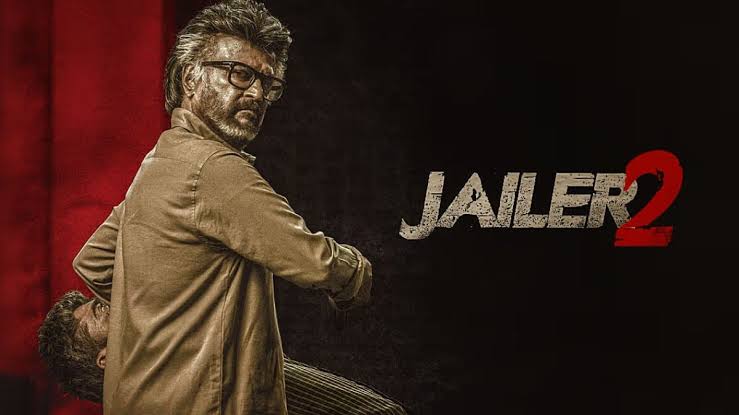
Also read: Jailer 2 OTT Release Date: What Is Confirmed About Prime Video and November 12
The distribution plan reflects a wider change in Indian film releases. Theatrical windows remain important for films designed for large screens, while digital partnerships can extend a title’s reach to households that do not have convenient access to cinemas. The two channels do not have to compete in a simple either-or relationship. A theatrical run can create awareness and revenue, while a later digital release can reach viewers who prefer home viewing or live outside major cinema markets.
Viewers should check the language, subtitle availability, screen format and show duration in the booking app before paying. A film listed in several languages may not be available in every language at every cinema. Premium formats can also have different ticket prices. If a family is planning a group visit, it is useful to compare the total price and the location of the theatre rather than rely only on a poster that advertises a particular format.
The film’s cultural subject also places an editorial responsibility on the production and its audience. A large-scale adaptation can introduce the epic to viewers who have not read a traditional text, but it also makes choices about language, visual representation and the treatment of characters familiar to different communities. Responses may differ across audiences because the Ramayana has a long history of regional interpretation. A review or reaction from one viewer should not be presented as the opinion of every community or tradition.
For readers trying to understand the film’s production, the confirmed information is relatively clear: the first part opened worldwide on November 5, it is directed by Nitesh Tiwari, it has a multi-language release and it is the first instalment of a two-part project. The second part is planned for Diwali 2027, and the producers have announced a pay-per-view digital partnership with JioHotstar for India after the theatrical window. The precise digital date and price remain unannounced.
Box-office totals, audience ratings and long-term performance will need to be assessed after more data is available. Opening-day collections can be affected by previews, holiday timing, ticket prices and the number of screens. A strong opening does not by itself establish sustained demand, while a slower first day does not settle the final outcome. The more useful measures will include occupancy over several days, regional performance, language-wise distribution and the film’s ability to retain screens as new releases arrive.
The next milestone is the film’s performance across its first theatrical weekend and the production team’s updates on the second part. The digital partnership gives viewers a confirmed route to a later home release, but the theatrical window remains the first opportunity to watch the film. Until the platform publishes a date and pay-per-view terms, viewers should avoid unofficial streaming links and wait for the official listing.
When did Ramayana: Part One release in cinemas?
Prime Focus Studios and DNEG say Ramayana: Part One began its worldwide theatrical release on 5 November 2026.
Which languages is Ramayana: Part One available in?
The producers list Hindi, Tamil, Telugu, Kannada, Malayalam and English for the worldwide release.
Who plays the main characters?
Ranbir Kapoor plays Rama, Sai Pallavi plays Sita, Yash plays Ravana, Sunny Deol plays Hanuman and Ravie Dubey plays Lakshmana.
Will Ramayana: Part One stream on JioHotstar?
Prime Focus Studios and JioHotstar have announced a pay-per-view digital partnership for India after the film’s exclusive theatrical window. A streaming date has not been announced.
Comments (0)
Be the first to comment. Comments are published after moderation.