


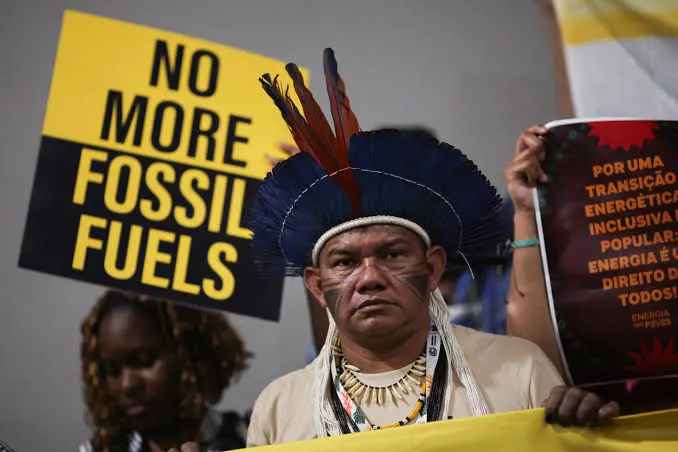
ANTALYA, Türkiye, November 10, 2026 — Brazil’s fossil fuel roadmap is being presented at the COP31 climate talks on Tuesday, offering governments a set of policy options for reducing dependence on coal, oil and gas without creating a new binding agreement. The initiative is intended to turn the pledge made at COP28 into practical national planning, but it leaves countries free to choose their own pace and does not set enforceable deadlines or emissions targets.
The roadmap was published by the Brazilian COP30 Presidency on November 3 and is being presented at the United Nations climate conference in Antalya, which runs from November 9 to 20. The Associated Press reported that the presentation will focus on measures such as stopping the construction of new fossil-fuel power plants and related infrastructure, removing subsidies that make fossil fuels cheaper and accelerating the shift to renewable electricity. The official document describes the initiative as voluntary and non-prescriptive, and says it is not subject to negotiation at COP31.
The proposal is rooted in the agreement reached at COP28 in Dubai in 2023, when nearly 200 countries called for a transition away from fossil fuels in energy systems. The wording was a landmark because it placed coal, oil and gas directly in the global climate debate, but the final text did not explain how countries should carry out the transition or how the costs should be shared. At COP30 in Belém last year, disagreement over fossil fuels again prevented a more explicit phase-out commitment from appearing in the final agreement.
Brazil’s COP30 Presidency had promised to produce a pair of roadmaps as a way to keep implementation moving. One addresses the transition away from fossil fuels in energy systems; the other sets out ways to halt and reverse deforestation and forest degradation by 2030. The documents are designed to help governments, finance ministries, energy departments and infrastructure planners translate existing commitments into national policies rather than reopen the wording of the Paris Agreement.
The fossil-fuel roadmap uses what the Brazilian Presidency calls the Belém Readiness Approach. It asks countries to assess their exposure to fossil fuels and their capacity to manage change across three connected areas: energy demand, energy supply and the wider economy. A country that depends heavily on coal for electricity will face different technical and social challenges from a country whose revenues rely on oil exports or whose energy system already uses large amounts of hydropower.
Also read: WMO Warns 2026 Among Four Warmest Years as COP31 Opens in Türkiye
The document proposes a collective agenda running through 2033. The initial phase is intended to help countries assess their starting points and prepare plans; the next stage focuses on infrastructure, investment and the institutions needed to deliver change; the later phase is aimed at accelerating renewable deployment and replacing fossil-fuel use where alternatives are available. The sequence is a planning framework, not a timetable that legally obliges governments to close particular plants or stop production by a fixed date.
That flexibility is central to the proposal. The roadmap acknowledges that there is no single route that can be applied to every economy. Countries differ in their energy resources, industrial structure, access to finance, electricity demand and dependence on fossil-fuel exports. Brazil argues that a common framework can help governments compare options while allowing them to choose measures suited to national conditions.
One of the clearest recommendations is to avoid building new fossil-fuel power plants and infrastructure that could remain in service for decades. New coal, oil and gas facilities can lock in emissions and create assets that become expensive to operate if cleaner alternatives become cheaper or climate rules tighten. The Associated Press reported that COP30 chief executive Ana Toni described the risk of creating stranded assets as a reason to stop adding long-lived fossil infrastructure where cleaner options are available.
Also read: Green Climate Fund Approves Record $1.97 Billion for 21 Projects
The roadmap also points to fossil-fuel subsidies as a barrier to change. Subsidies can lower the price paid by consumers or reduce costs for producers, but they can also make it harder for renewable energy and efficiency measures to compete. Removing support is politically difficult because fuel prices affect transport, food distribution, household budgets and industrial production. Governments would need to consider targeted assistance for lower-income households and workers in affected sectors rather than simply withdrawing support without a transition plan.
For oil and gas producers, the roadmap identifies the reduction of methane flaring and venting as an immediate opportunity. Methane is a powerful greenhouse gas, and preventing it from escaping during extraction and processing can reduce emissions without waiting for a complete change in the energy system. The measure can also capture gas that might otherwise be wasted, although its climate benefit depends on monitoring, enforcement and whether the recovered fuel displaces other fossil-fuel use.
Renewable generation, storage, transmission and electrification are the other major elements. Wind and solar capacity have expanded quickly, but new generation must be connected to reliable grids and supported by storage, flexible demand and transmission lines. Electrifying transport, buildings and industry can cut direct fuel use, but the climate benefit depends on how electricity is produced. If rising demand is met mainly by coal or gas, electrification alone will not deliver the emissions reductions governments are seeking.
The roadmap’s practical value will depend on whether countries turn the menu of measures into policies with budgets, timelines and public reporting. A voluntary framework can help governments start work without waiting for a new global agreement, but it does not create an enforcement mechanism if a country delays or reverses its plans. The official document leaves the responsibility for implementation with national governments.
Brazil is an influential messenger because it has a large renewable electricity base and a significant role in global climate diplomacy. Hydropower supplies much of its domestic electricity, while wind and solar capacity have expanded. But the country is also a major oil producer and has continued to develop offshore resources. That combination makes its position more complicated than a simple model of a country moving away from fossil fuels.
Brazil’s government has approved guidelines for a National Energy Transition Plan, known as Plante, which aims to set a long-term path towards a cleaner and more resilient energy system. The government has said the plan should raise the renewable share of the energy mix to 81% by 2055. The detailed national roadmap is still being prepared, and the published guidelines do not yet establish a binding schedule for reducing oil and gas production.
At the same time, projections from Brazil’s energy authorities point to oil production rising towards 5 million barrels a day by 2028, supported by new offshore platforms. The country has also continued to consider exploration in frontier areas. Those plans do not automatically contradict a transition framework that allows different national starting points, but they raise questions about how Brazil will balance future oil revenues, energy security and its stated climate ambitions.
The distinction between reducing fossil-fuel use and ending fossil-fuel production is important. A country can reduce the role of coal, oil and gas in its domestic power system while continuing to export hydrocarbons. That can lower domestic emissions but does not necessarily reduce global emissions if the exported fuels are burned elsewhere. The Brazilian roadmap focuses on energy systems and national circumstances, leaving governments to decide how production, exports and economic diversification fit into their plans.
Brazil’s credibility will therefore be judged partly by the detail of its own national transition plan. The government has said the process will include energy security, economic development and public participation. The next test is whether it sets measurable milestones for renewables, grid investment, transport, industrial energy use and the management of regions and workers that depend on oil and gas.
The fossil-fuel roadmap is not the only document Brazil is bringing to the climate talks. Its second roadmap focuses on halting and reversing deforestation and forest degradation by 2030. It covers tropical, subtropical, temperate and boreal forests as well as connected ecosystems such as peatlands and mangroves. The document argues that forest protection requires national coordination, sustainable land use, restoration and international finance.
The finance question is substantial. The roadmap cites a need for roughly $300 billion a year for forests by 2030 and about $500 billion annually by 2050, while current funding is far lower. Brazil is also advancing the Baku-to-Belém roadmap for scaling climate finance to $1.3 trillion a year, a goal intended to improve access to funding for developing countries. The Green Climate Fund’s recent record approvals show that climate finance is moving, but approved projects are not the same as money already disbursed or emissions reductions already delivered.
For developing countries, the form of finance matters as much as the headline amount. Grants and concessional loans can support adaptation and public infrastructure where commercial returns are limited. Private investment can help scale renewable projects and grids, but it is not a substitute for public funding in communities that cannot carry additional debt. A transition plan that requires new transmission lines, storage, industrial conversion and worker support will need predictable finance over many years.
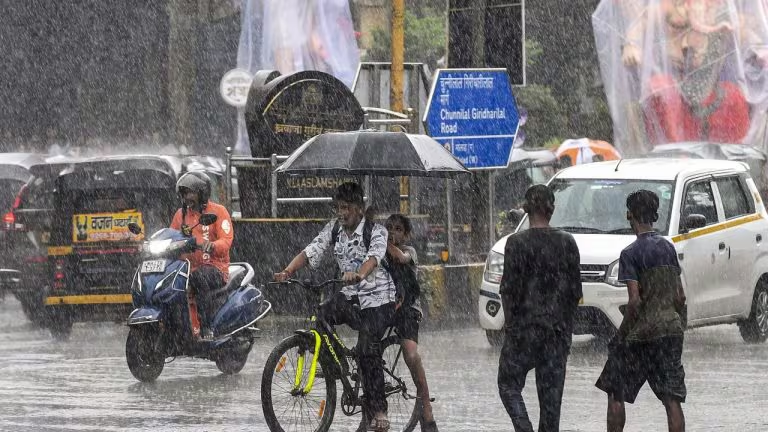
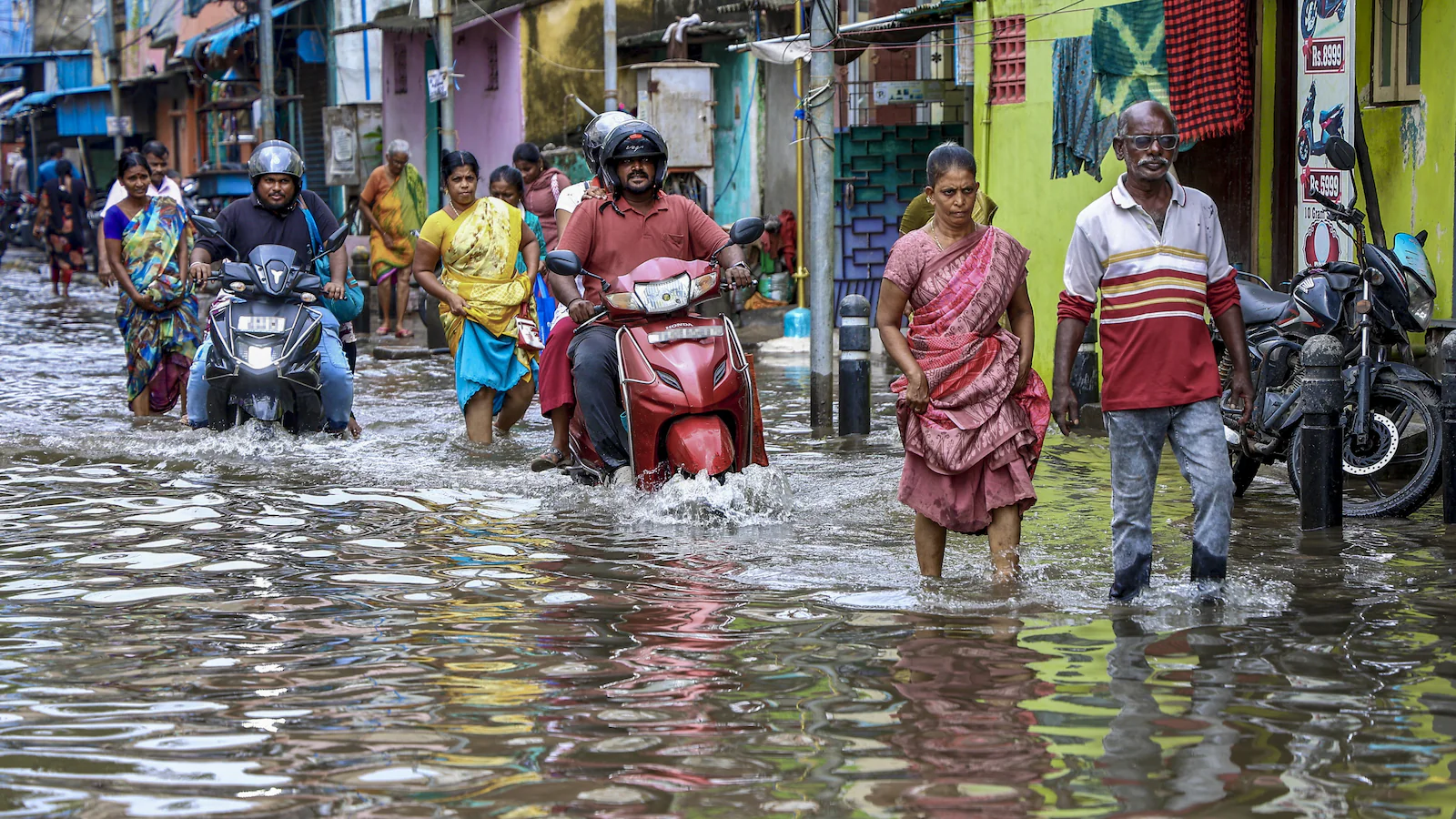
India faces many of the same questions in a different energy system. Electricity demand is rising as households, transport, manufacturing and data centres use more power. Coal remains a major source of generation because it provides dispatchable electricity at a scale that the grid still relies on. Solar and wind are expanding rapidly, but storage, transmission and the availability of flexible power will determine how quickly they can replace fossil generation rather than simply meet new demand.
A voluntary framework gives India room to set its own sequence, taking account of energy access, industrial growth, jobs and the cost of electricity. The most relevant measures may include avoiding unnecessary new coal capacity, improving grid flexibility, reducing methane emissions, phasing out inefficient subsidies and supporting workers and regions that depend on fossil-fuel industries. Each step would need to be assessed against reliability and affordability rather than treated as a target that can be achieved by announcement alone.
For countries that rely on coal, oil or gas revenues, the transition also involves public finances and employment. Governments may need to replace royalties and tax income, retrain workers, diversify local economies and protect consumers from abrupt price increases. The roadmap recognises those differences, but its broad principles will need to be translated into country-specific plans before they can guide investment decisions.
There is also a risk that a flexible menu of measures becomes a substitute for firm action. The Guardian and Euronews have noted that the Brazilian roadmap contains no binding deadlines or benchmarks, leaving countries to decide which levers to use and how quickly. That makes transparency and public tracking essential. Governments could publish national plans, identify responsible ministries, set interim targets and report progress so that voluntary cooperation does not become a collection of unmeasured promises.
The Brazilian roadmap is being presented at COP31 as a contribution to implementation, not as a new negotiating text. Türkiye and Australia, which are steering this year’s conference, are promoting an electrification programme intended to reduce emissions. Climate advocates will watch whether the programme specifies that new electricity demand should be met with cleaner power, rather than allowing fossil-fuel generation to expand alongside electrification.
The next steps will be visible in national policies and investment decisions, not only in speeches at the conference. Governments can begin by publishing energy-system assessments, reviewing subsidies, identifying infrastructure that risks becoming stranded and setting rules to reduce methane leakage. They can also disclose how climate finance will support workers, communities and developing countries that face the highest transition costs.
Brazil’s proposal gives governments a practical way to organise work that has been promised but not fully delivered. Its weakness is the absence of binding milestones and a mechanism to hold countries to account. The roadmap will matter if it helps ministries and investors make different decisions about power plants, grids, transport, industry and land use. Without measurable national plans and predictable finance, it risks remaining a useful document rather than a change in the global energy system.

Comments (0)
Be the first to comment. Comments are published after moderation.