


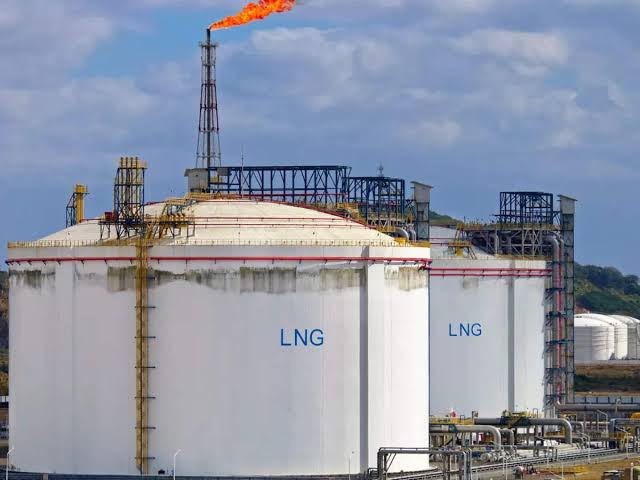
NEW DELHI, November 2, 2026 — Petronet LNG is seeking to take delivery of delayed liquefied natural gas shipments from Qatar as soon as shipping conditions improve, with the Indian importer facing a backlog of at least 90 cargoes under long-term supply arrangements. Chief executive A.K. Singh told Reuters that 75–80 cargoes had been delayed by the conflict in the Middle East, on top of 15–16 shipments that were not delivered during a pricing dispute in 2015–16.
The latest negotiations matter because Qatar is India’s largest supplier of liquefied natural gas, a fuel used in power generation, fertilizer production, industrial heating, and city-gas networks. Petronet’s contract provides for 7.5 million tonnes of LNG a year, equivalent to roughly nine or 10 cargoes a month. The disruption has left the company trying to recover deliveries while also weighing whether its future procurement should depend less heavily on any single route or supplier.
Also read: Qatari LNG Carrier Al Mayeda Hit by Unidentified Objects in Gulf
QatarEnergy has extended force majeure on LNG supplies through the end of 2026, Singh said. The contractual terms allow delayed cargoes to be delivered up to April 2029, but Petronet is seeking earlier delivery once the regional situation normalizes. That provision gives the parties time to reschedule shipments; it does not guarantee when individual cargoes will arrive or whether all overdue volumes can be accommodated in a short period.
The distinction is important for buyers. LNG is shipped in specialized vessels and must be scheduled around loading terminals, shipping routes, receiving terminals, and the capacity available to turn the fuel back into gas. A missed delivery can therefore have effects beyond the original cargo date. Replacement supplies may be available from another producer, but they can involve different prices, freight costs, and delivery windows. A contract that permits delayed delivery protects some commercial rights without making the physical supply immediately available.
Petronet LNG’s supply-security challenge
Singh said India was considering diversifying its LNG import sources and that price should not be the only factor in procurement decisions. Security, reliability, and the routes used by ships have also become central concerns. The Strait of Hormuz is a critical passage for energy shipments from the Gulf, and the wider regional conflict has disrupted maritime movements and complicated the delivery of cargoes from Middle Eastern producers.
India has been trying to increase the role of natural gas in its energy mix, with a stated ambition to reach 15% by 2030. Achieving that target depends not only on demand and infrastructure but also on a steady supply of gas at prices that industrial and household users can afford. When imported LNG becomes scarce or expensive, buyers may need to adjust procurement, draw on other sources where available, or manage demand. The precise response varies by customer and contract, and the latest reporting does not establish that every Indian gas user is facing a new cut in supply.
Petronet has expanded the capacity of its Dahej regasification terminal in western India to 22.5 million tonnes a year from 17.5 million tonnes, Singh said. The added capacity can give the company more room to process imported LNG, but terminal capacity is not the same as available gas. A facility can only handle the cargoes that reach it, and much of Dahej’s capacity is leased to other state-run oil and gas companies that also have import contracts. Some of those companies have had Middle Eastern supplies delayed as well.
Also read: QatarEnergy Builds LNG Supply Hedge Against Hormuz Risks
That creates a coordination challenge. Petronet must manage its own contracted volumes while providing regasification services to customers whose supplies may be affected by the same shipping disruption. The company has said in earlier disclosures that force-majeure notices were issued after the regional hostilities interrupted LNG loading and maritime navigation. Such notices set out a contractual position; they do not, by themselves, resolve how quickly deliveries can resume or how the commercial consequences will be shared.
India’s options are also shaped by the global LNG market. Cargoes can be sourced from producers outside the Gulf, but replacement volumes are not always available at the time and price a buyer needs. Long-term contracts can offer predictable terms under normal conditions, while spot purchases provide flexibility but expose buyers to price swings and competition from other importers. A more diversified portfolio can reduce dependence on one corridor, though it cannot eliminate the risk of a wider global shortage.
The company’s longer-term contract position has also changed. Petronet’s existing Qatar supply agreement, which was due to expire in April 2028, has been renewed for another 20 years through 2048, according to Singh. That extension preserves a major supply relationship over the long term, but the current backlog shows why the timing and reliability of deliveries matter alongside the nominal annual volume.
Petronet’s latest quarterly filing provides another measure of the operating environment. The company reported consolidated revenue from operations of ₹7,202.22 crore for the quarter ended September 30, down 34.6% from a year earlier, while consolidated profit after tax rose 51.3% to ₹1,256.43 crore. Its board also declared an interim dividend of ₹7 a share. These results cover the quarter as a whole and should not be read as a direct measure of the financial impact of the latest cargo negotiations alone.
The company’s filing also disclosed claims of about ₹625.42 crore, plus applicable taxes, from owners of dedicated LNG vessels and associated costs arising from suspended vessel operations. The owners have initiated arbitration, while Petronet said it did not consider the claims tenable under the relevant charter agreements and had not recognized a provision for them. The outcome and any financial impact remain uncertain. The claims underline that a shipping disruption can create disputes over vessel hire and contractual obligations as well as shortages of physical cargo.
For customers, the immediate questions are whether shipments can resume, how quickly delayed cargoes can be rescheduled, and whether replacement supplies are available at workable prices. For investors, the issues include the duration of the disruption, the outcome of the arbitration, and the company’s ability to make use of expanded terminal capacity. None of those outcomes can be determined from the backlog figure alone.
The next meaningful indicators will be any confirmed schedule for renewed Qatari deliveries, further notices from QatarEnergy or Petronet, and disclosures that clarify the vessel claims. Until those details emerge, the 90-cargo backlog is best understood as a measure of delayed contractual volumes rather than a promise that all shipments will arrive together. The company’s stated aim is to secure deliveries as soon as conditions permit, while India’s broader energy-security challenge is to keep gas supplies dependable even when a major import route is disrupted.



Comments (0)
Be the first to comment. Comments are published after moderation.