


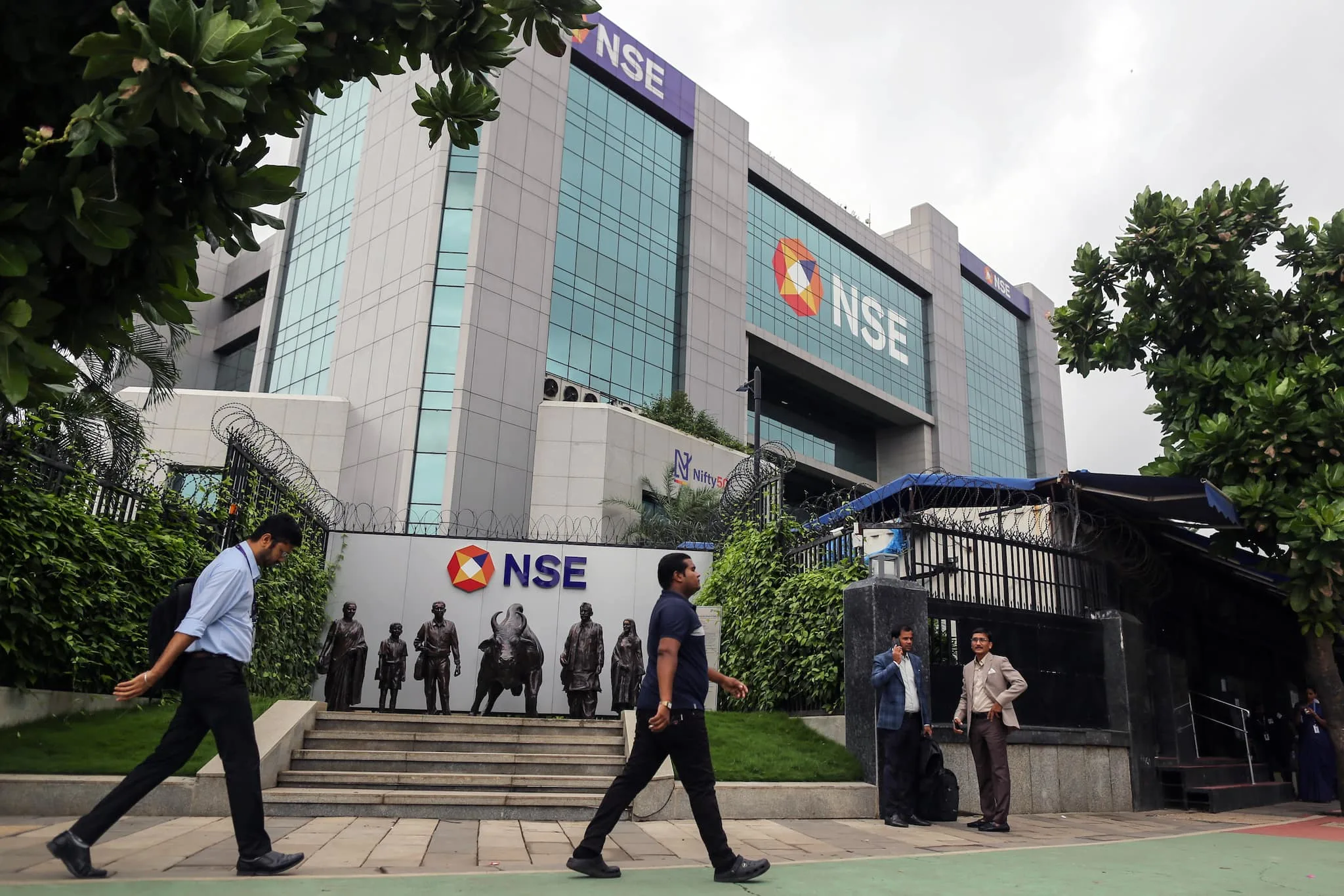
November 3, 2026 — NSE International Exchange has expanded its trading window to 23.5 hours a day, a move intended to make its products more accessible to investors operating across time zones. The change places the exchange closer to an around-the-clock model, although the available announcement and initial reporting do not yet spell out every detail of the revised timetable or which instruments are covered.
The exchange operates from GIFT City in Gujarat and serves international investors through a market structure designed to connect Indian-origin financial products with participants outside the country. Extending trading hours can give investors more time to respond to developments that occur outside the traditional Indian business day, including movements in global markets, commodity prices, interest-rate expectations and geopolitical events.
The distinction between NSE International Exchange and the domestic National Stock Exchange is important. A longer schedule at the international exchange does not automatically mean that trading hours on India’s main cash-equity market have changed. Investors should check the exchange’s official product-wise timetable, circulars and broker notices before assuming that a familiar domestic instrument is available throughout the extended window.
For overseas participants, a longer session may reduce the gap between a global event and the ability to adjust a position on the exchange. Market-moving announcements often arrive when India’s main markets are closed: central-bank decisions, economic data, company results and changes in energy prices can all influence risk appetite. A longer window could make it easier for eligible participants to manage exposure as new information arrives instead of waiting for the next regular session.
That additional access is not the same as a guarantee of deep liquidity at every hour. Trading activity can vary sharply by product and time zone. Outside the busiest periods, the number of willing buyers and sellers may be smaller, bid-ask spreads may widen and the cost of executing a large order can rise. Investors who treat extended availability as equivalent to normal-session liquidity could face unexpected transaction costs.
Market participants will also need to understand the operational details. The exchange’s full schedule, maintenance windows, clearing arrangements, settlement cut-offs, holiday calendar and any differences among products determine how the longer session works in practice. Broker platforms may not offer identical access at every hour, and risk controls or margin requirements can differ by product. These details should be confirmed from official notices rather than inferred from the headline duration.
The expansion comes as financial markets are increasingly influenced by cross-border capital flows and rapid changes in global risk sentiment. For an international venue, aligning more closely with multiple time zones can make its offering more practical for institutions and other eligible investors that cannot easily operate within a short local window. It may also strengthen the case for GIFT City as a venue for international financial activity, though the impact will depend on the products available, trading costs and the willingness of participants to use the additional hours.
Longer hours also bring operational demands. Exchanges, brokers, clearing participants and technology providers must maintain surveillance, customer support, system resilience and incident response over a wider part of the day. If trading continues across more global sessions, firms need clear procedures for unusual price movements, outages and abrupt changes in liquidity. A longer window can spread activity across the day, but it can also make staffing and risk management more complex.
For retail investors, the headline should not be read as a recommendation to trade more often or outside their normal hours. Extended access can be useful for those who understand the relevant instruments and risks, but it can also encourage impulsive responses to volatile overnight news. Investors should confirm product eligibility, trading costs, settlement rules and the exact operating hours with their broker, and should avoid assuming that every security listed on a domestic exchange is available through the international venue.
The most important information still to be clarified is the precise schedule, the products covered and the practical arrangements for market participants. Reuters reported the extension on November 3, but its initial account did not provide those operational details. Until the exchange’s circulars and product-level rules are reviewed, claims about specific opening times, instruments or settlement changes should be treated as unconfirmed.
The change is a notable step toward longer access at India’s international exchange, but its commercial significance will be measured by actual participation, liquidity and the quality of execution during the additional hours—not by the length of the trading window alone.
SOURCE: NSE International Exchange.





Comments (0)
Be the first to comment. Comments are published after moderation.