


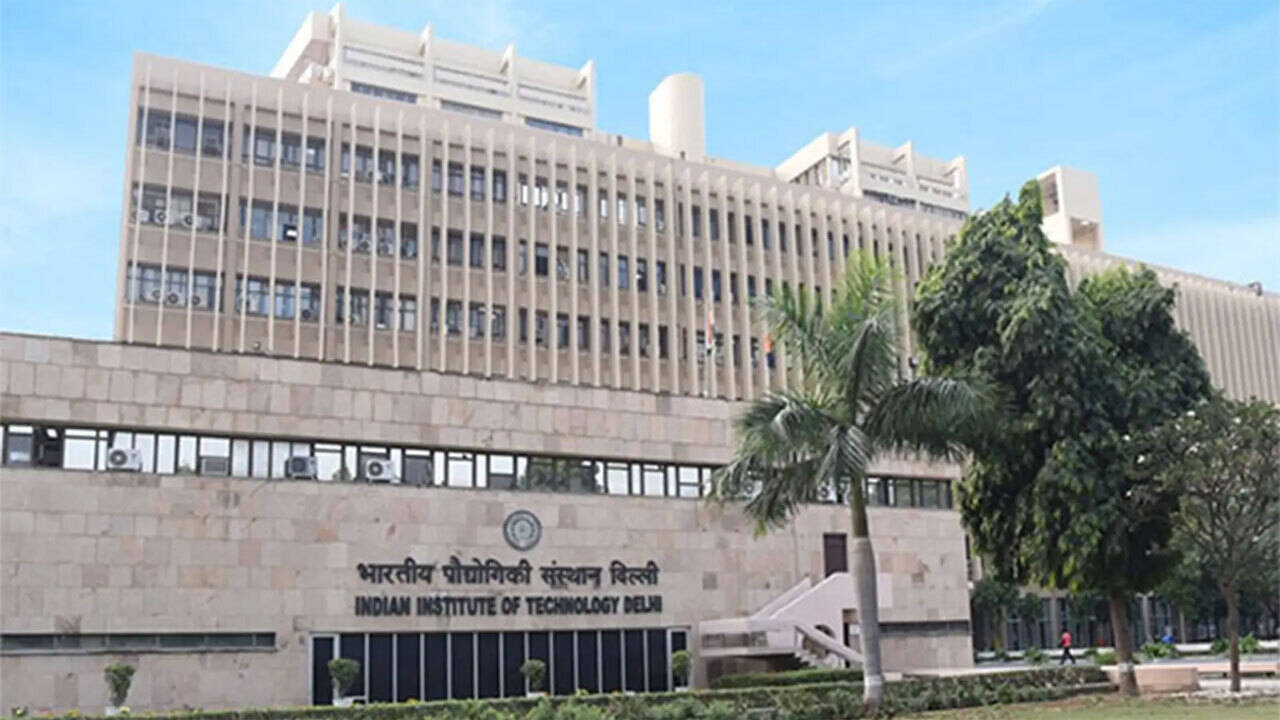
NEW DELHI, November 3, 2026 — India has increased its representation in the QS World University Rankings: Asia 2027 to 325 institutions, the second-highest total in the region after mainland China, but most Indian universities that returned to the list have slipped in the latest edition.
The rankings, released on Tuesday, cover 1,722 universities across 26 higher education systems. India added 34 new entrants, taking its total to 325. However, 71 per cent of Indian institutions that were ranked in the previous edition moved down, while 18 per cent improved and 11 per cent held their position or ranking band, according to data reported by The Indian Express.
IIT Delhi remains India’s highest-ranked institution, but its position fell from 59th in the previous edition to 66th in Asia. The Indian Institute of Science, Bengaluru, moved from 64th to 79th, while IIT Bombay slipped from 71st to 83rd and IIT Madras from 70th to 85th. IIT Kharagpur dropped from 77th to 90th and IIT Kanpur from 77th to 97th.
The University of Delhi also moved out of the regional top 100, falling from 95th to 106th. The results show that the expansion in the number of Indian institutions represented in the ranking has not translated into stronger positions for many of the country’s established universities.
There were gains among several institutions. Chandigarh University improved from 109th to 104th, Lovely Professional University rose from 187th to 154th and Symbiosis International University moved from 200th to 175th. IIT Hyderabad, IIT (BHU) Varanasi and IIT (ISM) Dhanbad also improved their positions.
QS cautioned against treating a fall in rank as proof that an institution’s performance has deteriorated. Senior Vice President Ben Sowter told The Indian Express that two-thirds of Indian universities that slipped in the table had nevertheless improved their overall scores. Rankings are relative measures, and a university can move down when competitors improve or when new institutions enter the comparison.
The reported weaknesses were concentrated in reputation and internationalisation indicators. Academic reputation declined for 76 per cent of Indian universities and employer reputation for 83 per cent. Measures related to international students and exchange activity also showed widespread falls. Research productivity was a brighter area: India had 27 universities among Asia’s top 50 for Papers per Faculty, including five in the top 10.
The latest table therefore presents a mixed picture for Indian higher education: the country’s participation has expanded sharply, but the leading institutions face stronger regional competition and a challenge in improving global reputation, employer perception and international engagement.

Comments (0)
Be the first to comment. Comments are published after moderation.