


DOHA/TEHRAN, November 1, 2026 — Iran says it has worked with Qatari mediators on a proposal to reopen the Strait of Hormuz within two days if Washington meets Tehran’s conditions, but the proposal has not been announced as a mutually accepted agreement. In its November 1 live coverage, Al Jazeera reported that US Secretary of State Marco Rubio said President Donald Trump had not decided whether to launch new attacks on Iran. The diplomatic opening therefore remains conditional, while Supreme Leader Mojtaba Khamenei’s warning of an immediate response without geographic limits underscores the risk of renewed confrontation.
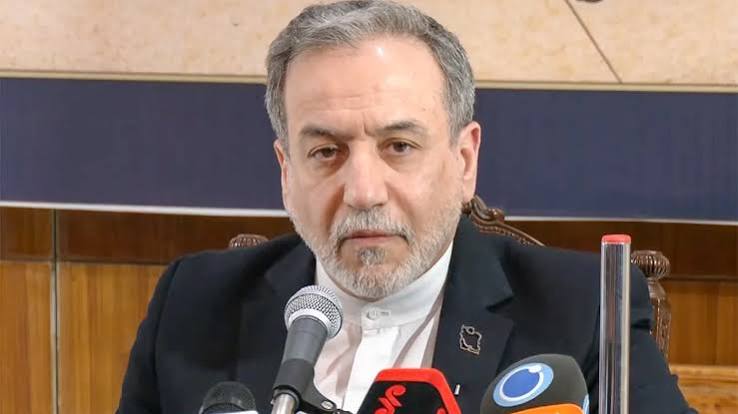
Foreign Minister Abbas Araghchi described the revised timetable in an interview with Al Jazeera on Saturday. He said Qatar had proposed reducing the implementation period of Iran’s earlier plan to five days and that the parties had now reached a proposal reducing it to two. The statement does not mean that the strait has reopened, that shipping can resume normally, or that Washington has accepted Iran’s conditions. No jointly announced agreement or operational schedule was reported in the material available as of the latest reports reviewed on November 1.
The diplomatic update came as Iranian state media reported Khamenei’s warning to military chiefs. The Associated Press, citing Iran’s official IRNA news agency, said the leader called for an immediate response to threats and an updated list of potential US and Israeli targets. The comments have not been independently verified beyond the state-media account. Read together, the statements show that a shorter proposed timetable has not resolved the central disputes over sanctions, military deployments, shipping routes, and the wider conflict.
Araghchi’s description is a conditional diplomatic proposal, not a confirmed reopening date. He said the implementation period had been shortened after consultations with Qatari mediators, but he also made clear that Iran’s conditions would need to be met. The distinction matters because a timetable only becomes operational once the parties agree on the steps to be taken, the order in which they occur, the security guarantees involved, and how compliance will be monitored.
Iran’s delegation has travelled to Doha for further consultations, according to Al Jazeera, after Qatari mediators visited Tehran. Araghchi said he had reviewed a letter from US Vice President JD Vance and described Washington’s effort to open a broader dialogue as a positive step. He also said there were no plans at that stage for a direct meeting with US officials. Whether talks proceed directly or through intermediaries, he said, depends on Tehran’s conditions being accepted.
The two-day figure should therefore be read as the proposed period for implementation after an understanding is reached, not as a guarantee that normal transit will resume within 48 hours of the announcement. Araghchi did not publish a detailed timetable for ship movements, inspection procedures, monitoring arrangements, or the treatment of vessels already waiting in the Gulf. Those details would be essential for shipowners, insurers, port operators, and governments deciding whether a route is safe and commercially usable.
Also read: Qatari Mediators in Tehran as US-Iran Tensions Continue
Araghchi said Iran wants sanctions imposed following the Islamabad memorandum lifted, US forces reduced in the region, oil waivers restored, and frozen Iranian funds released, including money held in Qatar. Tehran is also seeking recognition of shipping routes discussed with Oman and the closure of other routes through the strait. These are Iran’s stated demands; the interview did not establish that Washington or other coastal states had agreed to them.
The conditions combine economic relief with security and control of navigation. Sanctions relief and access to frozen assets would affect Iran’s ability to receive revenue and conduct trade. A reduction in US forces would change the military context in which any arrangement operates. The route proposal is particularly sensitive because it would affect how ships are directed through one of the world’s most important maritime chokepoints and who would have authority over those movements.
Washington’s position cannot be inferred from Tehran’s description alone. The latest interview does not provide a US acceptance of the demands, a joint text, or confirmation that the blockade of Iranian ports or other military measures have changed. Nor does it establish that the parties have resolved their wider disagreements over Iran’s nuclear program. Araghchi said proposals concerning the nuclear file were being reviewed as part of a second phase, suggesting that the sequencing of maritime and nuclear issues remains part of the negotiation.
That sequencing is consequential. Iran is presenting reopening the strait as a step that could create space for further talks while insisting that several economic and military conditions must be met first. The United States has long treated preventing Iran from acquiring a nuclear weapon as a central objective. A maritime arrangement that leaves the nuclear dispute unresolved could reduce one immediate risk without settling the broader conflict; a failure to agree on sequencing could leave both issues stalled.
Also read: Iran and Oman Hold Talks on Strait of Hormuz Transit Arrangements
The diplomatic signals were accompanied by a harder public message from Khamenei. AP reported that IRNA attributed to the supreme leader a warning that any threat from the United States or Israel should receive an immediate response without geographic limits. Iranian state media said he made the remarks while meeting military chiefs and called for an updated list of potential targets. The report does not independently establish what operational changes, if any, followed from the statement.
The warning matters because it raises the political cost of compromise at a time when mediators are trying to reduce the risk of renewed fighting. It also leaves room for competing interpretations: Tehran may be seeking to deter an attack while negotiating, but the language could also make it harder for officials on the other side to present concessions as safe or durable. Neither interpretation proves that a new attack is imminent. The public statement is a signal, not evidence of a specific military decision.
Regional governments have expressed concern about a return to full-scale hostilities. Reuters reported on October 31 that Egypt’s foreign minister, Badr Abdelatty, warned at the IISS Manama Dialogue in Bahrain that another round of fighting would be more dangerous and destructive. His comments reflected concern that a renewed escalation could damage regional security and further disrupt the maritime corridor. They do not, by themselves, confirm that a new military operation has been decided.
Qatar’s role is therefore more than procedural. Doha is a channel through which messages can move while the parties avoid direct talks, and its proximity to the Gulf gives it a direct interest in maritime stability. Pakistan is also involved in consultations, according to Araghchi. The mediators’ immediate task is to test whether the parties can agree on a limited sequence of steps without requiring either side to accept the other’s full account of the conflict at the outset.
The Strait of Hormuz connects the Persian Gulf with the Gulf of Oman and the Arabian Sea. Before the current crisis, the US Energy Information Administration estimated that about 20.9 million barrels of oil per day passed through the strait in the first half of 2025, making it one of the world’s largest oil transit chokepoints. The International Energy Agency says roughly 20 million barrels per day, around a quarter of global seaborne oil trade, normally transits the passage, with most of those flows destined for Asia.
That exposure makes the negotiations relevant well beyond Iran and the United States. India, China, Japan, and South Korea are major Asian energy importers, and disruptions around Hormuz can affect crude availability, freight rates, insurance premiums, and delivery schedules. The strait is also important for liquefied natural gas exports from Gulf producers. A reduction in physical flows can tighten supply, while uncertainty alone can increase the risk premiums demanded by shipowners and insurers.
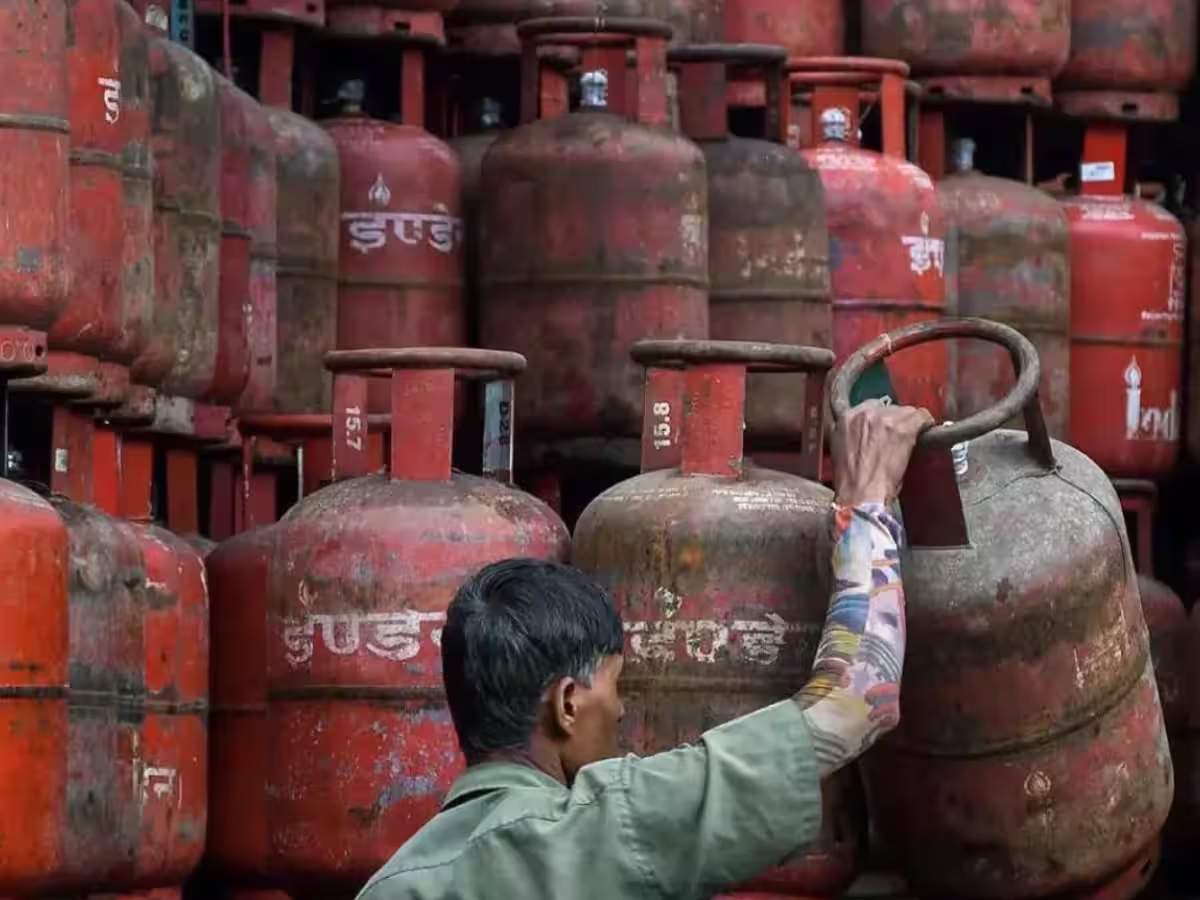
For India, a sustained disruption can raise the cost of imported energy and place pressure on the trade balance. Higher international crude prices may feed into transport, manufacturing, and logistics costs, although the effect on domestic fuel prices depends on exchange rates, taxes, government decisions, refinery economics, and the way suppliers pass through costs. It would be premature to predict a specific change in Indian petrol, diesel, or cooking gas prices from the proposal alone.
Nor would a political announcement automatically restore normal shipping. Commercial operators need reliable information about safe routes, vessel eligibility, navigation warnings, insurance coverage, and the possibility of further attacks. Even if a framework is agreed, traffic may return gradually as shipowners assess the terms and the security situation. The decisive indicators will be verified vessel movements and operational notices, not only statements from political leaders.
Also read: Oman Evacuates 25 Crew After Vessel Fire Off Musandam
The proposed route conditions raise a separate question about international navigation rules. The International Maritime Organization has repeatedly called for freedom of navigation to be respected and for attacks on civilian shipping to stop. In an August 28 statement, the IMO said the crisis had left thousands of seafarers working under heightened risk and uncertainty and called for practical cooperation to restore unhindered passage. Those principles remain relevant regardless of whether a new diplomatic timetable is agreed.
Iran’s request for recognition of routes discussed with Oman and closure of other routes would need to be translated into clear and verifiable operating rules. The latest statements do not explain how routes would be designated, how vessels would be informed, what safeguards would apply to crews, or how disputes would be handled. These are not minor details: ambiguous instructions could increase the risk of miscalculation between commercial vessels and military forces operating in a crowded, sensitive waterway.
Shipping disruption also has a human cost. Seafarers can be delayed far from home, face uncertainty over supplies and crew changes, and work under the threat of attack. The IMO has urged states and industry to coordinate on safe passage, provisions and crew welfare. Any workable agreement would need to address those practical concerns alongside the political demands of the parties.
The first test is whether Washington responds to Iran’s stated conditions and whether the mediators can turn the two-day proposal into a written, mutually accepted plan. A second is whether Iran and Oman can clarify the proposed routes in a way that commercial operators can use safely and that other governments regard as consistent with international navigation obligations. A third is whether the parties agree on how maritime steps relate to the nuclear file and the wider ceasefire.
Markets and shipping companies will also watch for official navigational notices, changes in port or blockade rules, verified tanker movements and any fresh security incidents. A reduction in hostile rhetoric could help confidence, but it would not substitute for enforceable arrangements. Conversely, another exchange of attacks could quickly undermine the diplomatic effort and make shipowners more reluctant to use the corridor.
For now, the confirmed development is narrower than a breakthrough headline might suggest: Iran says the proposed implementation period for reopening Hormuz has been reduced to two days, but only under conditions that remain unresolved. Khamenei’s warning shows that Tehran is also maintaining a deterrent message. Until the parties announce agreed terms and safe passage is demonstrated in practice, the strait’s status and the prospects for a broader settlement remain uncertain.


Comments (0)
Be the first to comment. Comments are published after moderation.