


SYDNEY, November 10, 2026 — Australian consumer sentiment fell for a third consecutive month in November, reaching its weakest level in four years as households absorbed higher borrowing costs, rising fuel prices and the prospect of further interest-rate increases. The Westpac-Melbourne Institute index dropped 2.7% to 78.2 from 80.4 in October and was 24.6% lower than a year earlier.
The deterioration was sharpest among mortgage holders. Their confidence measure fell 11.6% to 68.1, a record low in the series dating back to 1994. Among people surveyed after the Reserve Bank of Australia’s latest rate decision, 72% expected mortgage rates to rise further over the next 12 months, according to Westpac. The figures point to growing strain on households even as the central bank tries to bring inflation back within its target range.
The headline index fell to 78.2 in November, its lowest reading since late 2022. A reading below 100 means pessimists outnumber optimists. The latest decline followed falls of 4.7% in October and 5.2% in September, leaving the index almost a quarter below its level a year earlier. Westpac’s head of Australian macro-forecasting, Matthew Hassan, said consumers remained deeply pessimistic and were preparing for further rate increases.
The survey was conducted from November 2 to 6, overlapping with the Reserve Bank’s decision on November 3 to raise the cash rate by 25 basis points to 4.85%, an 18-year high. The timing matters: not every respondent answered after the decision, so the 72% figure on expected mortgage increases applies only to those surveyed after the announcement. It should not be read as the view of every Australian household.
The sub-index measuring expectations for the economy over the next 12 months fell 10.2% to 70.3, its lowest level since August 2020. The measure of whether it was a good time to buy a major household item dropped 3.7% to 83.0. Those readings suggest that households are not only worried about the broader outlook but are also becoming more cautious about discretionary purchases.
House-price expectations weakened as well. The relevant index fell 13.4% to 99.6, its first reading below the neutral 100 mark since November 2022. The unemployment expectations index rose 1.6% to 144.4, indicating that more respondents were concerned about joblessness. Westpac described job-loss worries as edging higher, although the survey did not show consumers in broad alarm about employment.
The survey’s results are a measure of how people feel about the economy and their finances, not a direct count of spending or mortgage defaults. Confidence can change before households alter their behaviour, and some consumers may continue spending even when they report a bleak outlook. The size and direction of the monthly move nevertheless provide a timely signal for retailers, lenders and policymakers watching demand.
The Reserve Bank raised its cash-rate target to 4.85% effective November 4, following its November 3 decision. It was the fifth increase of 2026. The RBA said inflation remained too high and that underlying price pressures were broader than previously judged. Its November monetary-policy statement forecast inflation to remain above 3% for the coming year, with the return to the middle of the 2% to 3% target range not expected until around mid-2028.
Higher rates affect households through mortgage repayments, credit-card borrowing, personal loans and the cost of financing cars or other large purchases. Variable-rate borrowers can feel the change relatively quickly, while fixed-rate borrowers may face higher payments when their existing terms expire. The effect is uneven: households with large mortgages and limited savings have less room to absorb higher repayments than people with lower debt or more cash reserves.
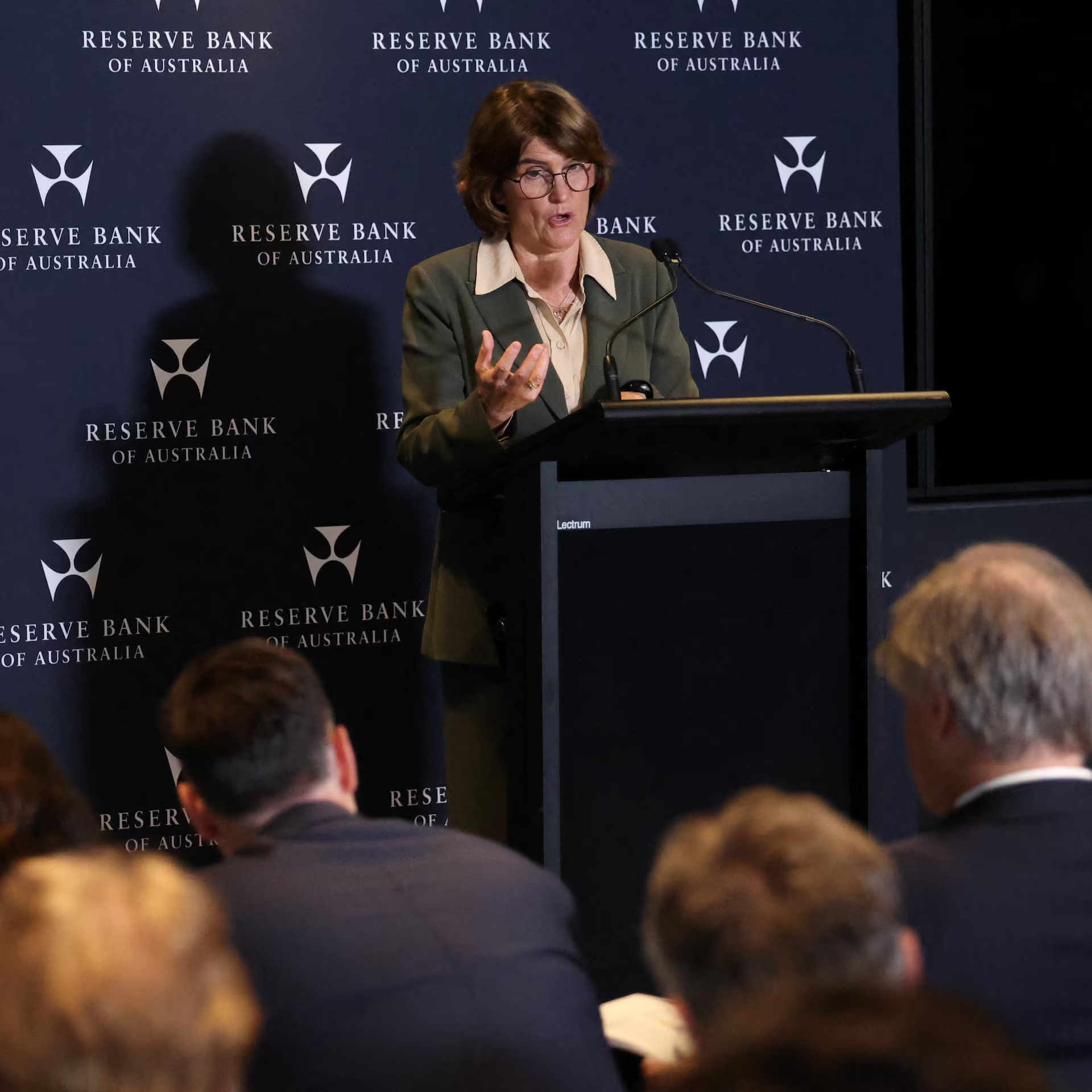
The pressure is not limited to borrowers. Renters and households without mortgages still face higher prices for groceries, electricity, insurance, transport and other essentials. The RBA’s governor, Michele Bullock, said at the November 3 press conference that the burden of high inflation was not felt equally and that households with lower incomes had less room to reduce spending when essentials absorbed most of their budgets.
Fuel prices have added to the squeeze. Westpac’s report said petrol prices had moved towards A$2.40 a litre during the month, while the latest official annual inflation reading was 4.3%. Higher fuel costs feed directly into transport expenses and can also raise the price of goods delivered by road. That creates a difficult combination for households: the same energy shock that increases everyday costs can also contribute to inflation and keep interest rates higher for longer.
The RBA’s decision was intended to slow demand and prevent inflation expectations from becoming entrenched. The central bank has argued that allowing price pressures to persist could eventually require even tighter policy and cause greater damage to growth and employment. But the November sentiment survey shows how the adjustment is being experienced by households, particularly those with mortgages.
Westpac’s mortgage-holder index fell 11.6% to 68.1, the weakest reading since the series began in 1994. The result is a warning sign for banks and retailers because households with large repayments may reduce discretionary spending to protect their budgets. It does not, on its own, show that mortgage arrears or defaults have risen; those outcomes require separate lending and credit data.
Consumers are also approaching the Christmas shopping period with more caution. Westpac’s survey found that 38% planned to spend less on gifts than a year earlier, 46% expected to spend about the same and 14% intended to spend more. Mortgage holders were more likely than other respondents to plan a reduction. The figures suggest that retailers may face a more price-sensitive customer base, although stated intentions do not always translate directly into final sales.
Retailers may respond with discounts and promotions, but heavy discounting can pressure profit margins if shoppers trade down or delay purchases. Restaurants, travel operators, household-goods stores and other businesses that depend on discretionary spending will be watching whether weak sentiment appears in actual transactions. Supermarkets and essential-service providers may be less exposed to the same pullback, although consumers can still switch brands or reduce quantities to manage costs.
For lenders, the survey reinforces the importance of monitoring borrowers who have high debt relative to income, small savings buffers or loans approaching the end of fixed-rate periods. Banks generally assess serviceability using buffers and stress tests, but persistent cost-of-living pressure can still affect a household’s ability to meet repayments. The sentiment index is not a credit-risk measure, yet the record low among mortgage holders adds to the evidence that rate-sensitive households are under strain.
The decline gives policymakers another indication that tighter monetary conditions are affecting households, but it does not guarantee that the RBA will pause at its next meeting. The central bank has said its priority is to return inflation sustainably to the 2% to 3% target band. It will also consider wages, employment, spending, business pricing and the outlook for demand before deciding whether another increase is necessary.
Westpac expects the RBA to hold rates at its December 7–8 meeting while it assesses the effects of the five increases delivered this year. That is the bank’s forecast, not a commitment from the central bank. If inflation remains high or price expectations rise, the RBA could keep tightening despite the weakness in consumer sentiment. If spending and employment slow more sharply, the case for a pause would strengthen.
The November survey also highlights a policy trade-off. Higher rates can reduce demand and help contain inflation, but they place immediate pressure on borrowers and can weaken retail activity. The central bank has argued that failing to control inflation would ultimately be more damaging, especially for lower-income households. The challenge is to judge how much restraint is needed without causing an unnecessarily sharp contraction in consumption and jobs.
For now, the survey points to a household sector that is increasingly cautious. The overall index has fallen for three months, the 12-month economic outlook has weakened sharply, mortgage-holder confidence has reached a record low and house-price expectations have slipped below neutral. The next evidence will come from actual retail sales, household spending, employment and inflation data, rather than sentiment alone.
The next RBA decision is scheduled for December 8, with the November meeting minutes due on November 17. Before then, the November sentiment reading will remain one of the clearest indications of how rate increases and living-cost pressures are affecting Australian households as the year-end shopping period approaches.






Comments (0)
Be the first to comment. Comments are published after moderation.